

Cycling is enjoyable, practical, and a great way to stay active. However, being visible is an important part of riding safely. Many cyclists think lights are only necessary after sunset. In reality, visibility matters during the daytime too, especially on busy roads, at intersections, and in changing weather.
This is where bike daytime running lights can make a real difference. A bright front light helps other road users notice a cyclist from a greater distance. At the same time, bike rear lights help drivers and other cyclists see what is happening behind them.
Using both front and rear lighting creates a more complete visibility setup. Whether you ride for commuting, fitness, or weekend adventures, the right lights can make your bicycle easier to notice in different riding conditions.
Why Visibility Matters for Cyclists
A cyclist can be difficult to notice when surrounded by cars, buildings, trees, or other visual distractions. Even during daylight, a bicycle may blend into the background.
Good lighting helps solve this problem by creating a clear visual signal. Instead of relying only on bright clothing or reflectors, cyclists can use active lights to attract attention.
Visibility becomes even more important during early mornings, evenings, cloudy conditions, and busy traffic. A properly positioned front and rear light can help other road users recognize that a bicycle is present.
What Are Bike Daytime Running Lights?
Bike daytime running lights are front-facing lights designed to make cyclists more noticeable during daylight hours. They are usually built to produce a visible beam or flashing pattern that stands out against the surrounding environment.
Unlike traditional headlights that mainly focus on illuminating the road at night, daytime running lights are often designed with visibility in mind.
This makes them useful for commuters who spend much of their time riding during daylight. They can also be helpful on roads with heavy traffic, where being noticed early gives drivers more time to react.
Benefits of Bike Daytime Running Lights
One of the biggest advantages of daytime lighting is improved visibility from the front. A cyclist may be clearly visible to another cyclist but still difficult for a driver to notice.
A quality daytime light can create a stronger visual presence.
Another advantage is versatility. Many modern lights offer different brightness levels and flashing modes. Riders can choose a suitable setting depending on traffic, weather, and time of day.
Battery-powered designs are also convenient. Rechargeable models can often be charged at home using USB charging, reducing the need to replace disposable batteries regularly.
Why Bike Rear Lights Are Equally Important
Front visibility is only one part of cycling safety. Drivers approaching from behind also need to notice a cyclist quickly.
This is why bike rear lights are an essential part of a complete bicycle lighting setup. They are positioned at the back of the bike and usually produce a red light that makes the cyclist easier to identify from behind.
A rear light can be especially useful when riding on roads with traffic. It provides an active signal rather than relying solely on a passive reflector.
For commuters who ride before sunrise or after sunset, a reliable rear light should be considered an important part of their regular equipment.
Choosing the Right Bike Rear Lights
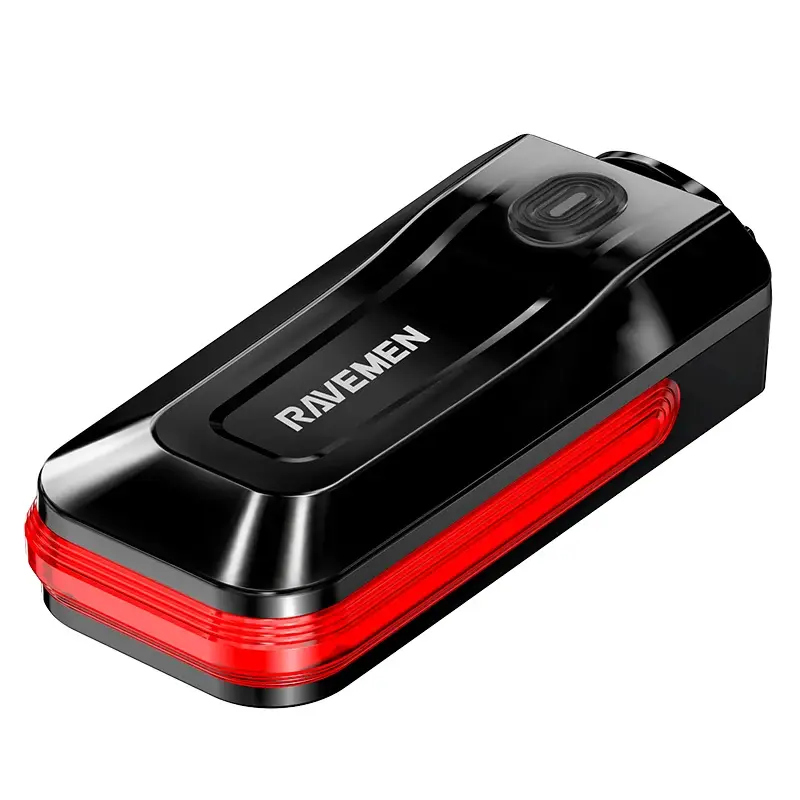
There are several things to consider when selecting bike rear lights. Brightness is important, but it is not the only factor.
The light should be easy to mount and remain secure while riding. A loose light can move out of position or fall from the bicycle on rough roads.
Battery life also matters. If you regularly take long rides, choose a model that can operate for your expected riding time. Rechargeable options can be convenient for frequent cyclists.
Different lighting modes can also be useful. A steady mode may work well in some situations, while a flashing mode can attract attention in daylight.
Should You Use Front and Rear Lights Together?
Yes, using both provides a more complete visibility solution.
Bike daytime running lights help people approaching from the front notice you. Bike rear lights provide visibility to traffic coming from behind.
Together, they create visibility in two important directions.
This setup is useful for city commuting, road cycling, recreational rides, and longer-distance trips. Even if you rarely ride at night, daytime front and rear lights can still provide an additional layer of visibility.
Lighting for Different Riding Conditions
Your lighting needs can change depending on where and when you ride.
For daytime urban cycling, a visible front light combined with a rear light can help you stand out among traffic. On rural roads, lighting can be particularly useful because vehicles may approach at higher speeds.
During dawn and dusk, natural light changes quickly. A setup that works during bright daylight may become more important as visibility decreases.
Rain and cloudy weather can also reduce contrast. In these conditions, active lighting may help a cyclist remain easier to spot.
Mounting Your Bicycle Lights Correctly
Even the best light cannot work effectively if it is poorly positioned.
The front light should be securely mounted and aimed appropriately. Avoid positioning it where bags, cables, or other accessories can block the beam.
The rear light should be placed where it is clearly visible from behind. Check that clothing, a saddle bag, or another accessory does not cover it.
It is also worth checking the mounts regularly. Vibration from uneven roads can gradually loosen some mounting systems.
Battery Life and Charging
A light is only useful when it has enough power to operate.
Make charging part of your normal cycling routine if you use rechargeable lights. Checking the battery before leaving can prevent an unpleasant surprise during a ride.
For longer journeys, consider battery capacity and the expected runtime of different modes. Higher brightness settings often consume more energy, while lower settings may extend battery life.
Some cyclists also prefer carrying a backup light on longer rides.
Building a Complete Visibility Setup
A good bicycle visibility setup does not need to be complicated. Start with a dependable front light and a reliable rear light.
From there, you can add reflective clothing, reflective accessories, or additional lighting if your riding environment requires it.
The goal is simple: make your presence clear to people around you.
Using bike daytime running lights during the day and dependable bike rear lights from behind can help create a more visible bicycle from multiple directions.
Final Thoughts
Cycling visibility should not be treated as something that only matters after dark. Roads are busy throughout the day, and cyclists can be difficult to notice in many environments.
Bike daytime running lights provide an effective way to increase front-facing visibility, while bike rear lights help make cyclists more noticeable to traffic approaching from behind.
Choosing lights with suitable brightness, battery life, mounting options, and lighting modes can make your setup more practical. Most importantly, remember to check your lights regularly and keep them charged.
A simple front-and-rear lighting setup can become an everyday part of your cycling routine. Whether you are commuting through the city or enjoying a long weekend ride, being easier to see can help create a more confident and prepared cycling experience.
Also Read
- how-drivers-can-compare-car-insurance-payment-options-before-choosing-a-policy/
- /how-to-transfer-retirement-savings-in-canada-a-comprehensive-guide/
- audio-to-text-for-online-courses-a-better-way-to-review-what-youve-already-learned-with-video-transcriber-ai/







Leave a Comment