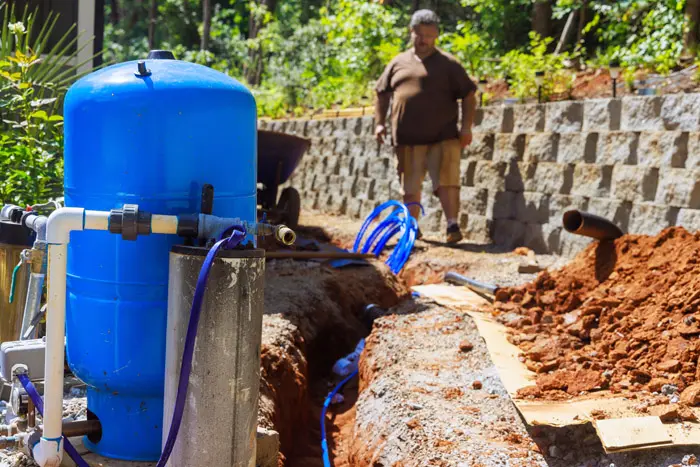

In today’s world, homeowners are increasingly seeking sustainable and cost-effective solutions for their households. One such solution gaining popularity is installing private water wells. These wells offer numerous benefits, from financial savings to environmental sustainability, making them a valuable addition to modern homes.
Independence from Municipal Water Systems
One of the primary advantages of having a private water well is the autonomy it provides. Homeowners are no longer reliant on public water supplies, which can be subject to contamination, service interruptions, and usage restrictions. This independence ensures a consistent and reliable water source tailored to the household’s specific needs.
For those considering installing a private water well, partnering with experienced professionals is essential. Companies like Hazelett Drilling Inc. specialize in residential water well service, offering comprehensive solutions from drilling to maintenance. With over 45 years of experience, Hazelett Drilling Inc. has built a reputation for quality and expertise, serving over 35 counties in Texas, including areas like Lockhart, Bastrop, and Caldwell. Their commitment to customer satisfaction ensures homeowners receive reliable and efficient well systems tailored to their needs.
Long-Term Cost Savings
While the initial investment in drilling a well can be substantial, the long-term financial benefits are noteworthy. By eliminating monthly water bills, homeowners can recoup their investment over time. For instance, in areas where municipal water costs are high, the savings can be significant. Additionally, the ongoing expenses for well maintenance are generally lower than the cumulative costs of public water services.
Another important financial aspect to consider is the control over water usage. With a private well, homeowners are not subject to usage restrictions or surcharges that may be imposed during periods of drought or municipal shortages. This flexibility allows for greater control over household expenses, particularly for properties that require more water, such as those with gardens, livestock, or swimming pools. Over time, these cumulative savings can be significant, providing extra funds for other home improvements or family needs.
Superior Water Quality
Private wells often provide water that is naturally filtered through underground aquifers, resulting in cleaner, more refreshing water. Unlike municipal water, which is treated with chemicals such as chlorine and fluoride, well water is free of such additives. This natural filtration process can lead to healthier water for drinking, cooking, and bathing.
Additionally, because well water is sourced directly from the ground, homeowners typically have more oversight over what enters their water supply. In many cases, the presence of natural minerals can enhance the taste and nutritional quality of water. However, it’s important to remain vigilant about testing, as groundwater can be affected by environmental changes and nearby land use. By maintaining a regular testing schedule, families can enjoy peace of mind while sipping pure, clean well water every day.
Increased Property Value
Homes equipped with private water wells can see their property values increase. Prospective buyers often view a well as a valuable asset, especially in regions where water scarcity is a concern. The presence of a well signifies self-sufficiency and can be a deciding factor for those seeking sustainable living options.
Real estate agents often highlight the presence of a private well in property listings, as it can differentiate a home from similar properties that rely on municipal services. This distinction can be especially attractive in rural or semi-rural areas, where access to a natural water source is both convenient and financially advantageous. By investing in a private well, homeowners also make their properties more resilient to future water shortages or rate increases, making the asset even more appealing in a changing climate.
Environmental Sustainability
Using a private well reduces the environmental impact associated with treating and transporting municipal water. By tapping directly into local groundwater sources, homeowners reduce energy consumption and carbon emissions associated with public water systems. This sustainable approach aligns with the growing trend of eco-friendly living.
Furthermore, private wells can help homeowners reduce their reliance on single-use plastic water bottles, a common alternative to public water systems that people distrust. With access to a reliable, fresh water supply at home, families are more likely to opt for reusable bottles and pitchers, minimizing plastic waste. The environmental benefits extend beyond the household, contributing to healthy aquifers and local water tables when wells are responsibly managed and maintained.
Regular Maintenance and Testing
To ensure the safety and longevity of a private water well, regular maintenance and water quality testing are crucial. Homeowners should schedule annual inspections to check for contaminants and system integrity. Proper upkeep not only guarantees a safe water supply but also extends the lifespan of the well system.
Routine maintenance tasks may include checking the pressure tank, inspecting the pump, testing for bacteria or chemical contaminants, and flushing or cleaning filters. By keeping detailed records of all inspections and repairs, homeowners can better predict future maintenance needs and budget accordingly. Enlisting professional help for technical assessments not only preserves water quality but also ensures the system operates at peak efficiency, ultimately protecting the investment and the well-being of everyone in the household.
Community and Lifestyle Benefits
Private water wells offer a variety of lifestyle and community benefits. They enable gardening enthusiasts and small-scale farmers to pursue agricultural projects without worrying about escalating municipal water costs. Those with animals or livestock can provide a steady and affordable water supply year-round. In some communities, neighbors may even form cooperatives to share costs and expertise, strengthening social bonds and enhancing overall water security.
For families interested in self-sufficiency, installing a private well is often an important step toward achieving an off-grid lifestyle. Combined with other sustainability measures, such as solar panels and rainwater harvesting, a well can become a cornerstone of an eco-friendly, resilient home environment.
Conclusion
Incorporating a private water well into a modern home offers numerous benefits, including financial savings, improved water quality, and environmental sustainability. By understanding the advantages and committing to regular maintenance, homeowners can enjoy a reliable and independent water source for years to come.
Also Read
- Innovative Technologies in Metalworking Equipment
- Pendeja Meaning in English: Definition, Usage, Cultural Context, and Real-Life Examples
- Transforming Your Plymouth, MI Basement Into a Vibrant Family Space






Leave a Comment