
Zariq Siddiqui is a healthcare and pharmaceutical sales leader with extensive experience in strategic planning, operations, and team coordination. Based in Dublin, Ohio, Zariq Siddiqui serves as director of nutrition product sales at Abbott Laboratories, where he has held multiple leadership roles since 1999. His work includes overseeing sales training, analytics, and partnerships with group purchasing organizations and integrated delivery networks across the United States. With a background in forensic science and professional training in leadership, negotiation, and business operations, he brings a structured approach to managing complex initiatives. His involvement in community service efforts and support for nonprofit organizations reflects an understanding of coordinated outreach, which aligns with the planning and collaboration required to organize effective blood donation events across multiple community partners.
Coordinating Blood Donation Events Across Multiple Community Partners
When several organizations team up to host a blood drive, success depends on clear roles and early planning, not just goodwill. Coordination means setting the date, recruiting volunteers to support donor flow, and arranging the room so donors can move from registration to screening to recovery without confusion. A “community blood donation event” is a scheduled collection day run by a blood center at a host site, and it works best when partners follow a shared plan.
A community blood donation event involves three roles: the host organization, the blood collection organization, and the donors. The host may be a university, employer, or faith community that provides the location and recruits volunteers to help promote the drive and organize donor flow. The blood collection organization brings trained staff, equipment, and the confidential screening and collection process. Donors fill the appointment schedule and complete the donation process.
Before the drive, the host coordinator and blood center drive manager choose a date and reserve a space large enough to support privacy during screening interviews. The host confirms access hours and basic facility needs so staff can set up without delays. On drive day, the coordinator stays available to handle facility questions or room adjustments.
Turnout usually rises when a small recruitment team shares outreach responsibilities rather than leaving the task to one person. A recruitment lead can combine peer-to-peer asks with email reminders and local social posts. An online scheduling link lets donors pick a time slot and helps the host track signups and follow-up needs.
Meeting the collection goal often requires more scheduled appointments than the target number of units. Some donors cancel late, some do not show up, and about 10 to 15 percent of donors who arrive may be unable to give that day because screening staff defer them under eligibility rules. A practical plan builds a buffer of extra appointments and fills openings quickly when cancellations occur.
Eligibility is separate from turnout, but it affects how many completed donations the drive can collect. To reduce surprises, hosts should encourage donors to review basic eligibility requirements before scheduling. A “deferral” means trained screening staff decide a person cannot donate at that time under the required rules.
At the drive, trained blood center staff handle screening and collection, and screening includes required questions tied to donation safety. Donors check in with valid identification and complete a private interview covering health history and risk factors. Under FDA rules, blood centers ask risk-factor questions, defer donors when those risks apply, maintain lists of unsuitable donors to prevent further donations, and test donated blood for infectious agents.
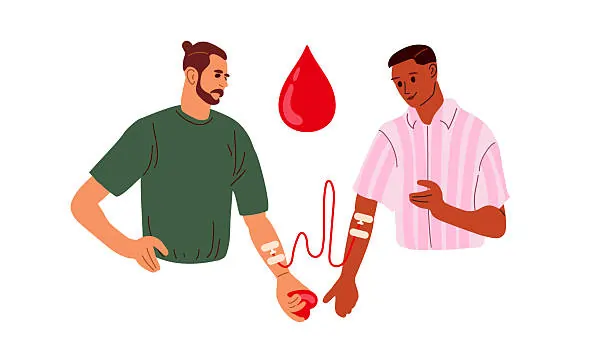
The donation process follows a predictable sequence: registration, medical screening, the blood draw, and a short refreshment period. From arrival to departure, the visit often takes about an hour, and the actual whole-blood collection takes roughly 8-10 minutes. After donating, donors rest briefly, have a snack and drink, and then leave with post-donation instructions.
What happens after collection is another reason coordination matters, because the unit does not go straight to a patient. Blood is labeled, processed into components, and tested. If testing identifies a concern, the blood center discards the unit and notifies the donor through confidential follow-up procedures.
A strong blood drive becomes easier to repeat when partners treat it as a relationship, not a one-time event. After the drive, the host can request final results from the blood center, share the outcome with donors, and thank volunteers. That follow-through reinforces donor confidence and provides both the host and the blood center with a clear starting point for planning the next event.
About Zariq Siddiqui
Zariq Siddiqui is the director of nutrition product sales at Abbott Laboratories, where he oversees sales operations, training, and strategy. With more than two decades of experience at the company, he has contributed to product launches, sales structure design, and training program development. Based in Dublin, Ohio, he holds a degree in forensic science and maintains an interest in professional development. He also supports charitable organizations such as Habitat for Humanity and Unbound.
Read more: From Aches to Alignment: How BCBS Can Help with Chiropractic Treatments
Top Trends in Personal Care Products: Enhancing Your Daily Routine
Unlocking the Power of the Reformer Pilates Machine: Benefits for Strength and Flexibility

Grace Mitchell is a content writer at GrammerWay, focused on English grammar, clear writing, and common language mistakes. She creates simple, reader-friendly guides to help improve writing confidence.
Leave a Comment