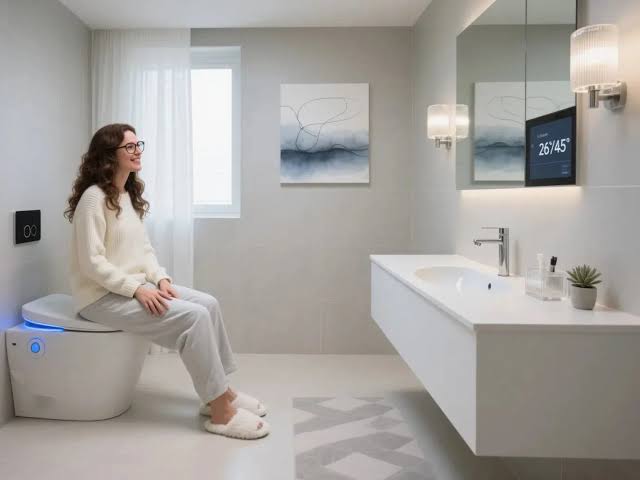

Nobody enjoys scrubbing toilets. The job feels repetitive, messy, and impossible to fully stay ahead of. Hard water stains return quickly. Mineral buildup forms around the bowl. Rust-colored rings appear even after deep cleaning. That frustration explains why products like krazy klean toilet cleaner continue gaining attention online. Homeowners want simpler cleaning routines that actually reduce maintenance instead of creating more work.
The bathroom cleaning industry has changed a lot over the past few years.
Consumers no longer want dozens of cleaning bottles under the sink. They do not want strong chemical smells filling the bathroom either. People now prioritize products that save time, reduce scrubbing, and fit into low-maintenance lifestyles.
That shift is reshaping the way homeowners think about cleaning.
Why Bathrooms Get Dirty So Fast
Bathrooms deal with constant moisture, mineral exposure, and bacterial buildup. Toilets especially become problem areas because they combine standing water with repeated use.
Hard water creates one of the biggest challenges.
Water containing high levels of calcium, magnesium, and iron leaves deposits behind after every flush. Those minerals slowly stick to porcelain surfaces. Over time, they harden into visible stains.
Common hard water problems include:
- Brown toilet rings
- Rust-colored streaks
- Chalky white buildup
- Yellow discoloration
- Rough mineral deposits
Many people assume those stains mean the toilet is unsanitary. Often, the real issue is mineral accumulation instead of poor hygiene.
That distinction matters because normal cleaners may disinfect surfaces without actually preventing buildup.
Traditional Toilet Cleaning Takes Constant Effort
Most households rely on reactive cleaning methods. They wait until stains appear, then attack the problem with brushes and chemicals.
That cycle usually looks like this:
- Notice stains forming
- Buy another cleaner
- Scrub the toilet bowl
- Temporarily remove buildup
- Watch the stains return again
The routine never truly ends.
Many toilet cleaning products only provide short-term cosmetic improvement. They remove visible discoloration without addressing the underlying mineral problem.
That is why homeowners often rotate through multiple products:
- Bleach tablets
- Acidic bowl cleaners
- Disposable scrubbers
- Pumice stones
- Vinegar treatments
The process becomes expensive and time-consuming.
Why Consumers Want Passive Cleaning Systems
Modern homeowners value convenience more than ever.
People already juggle work schedules, errands, childcare, and household responsibilities. Cleaning routines that require constant maintenance feel exhausting.
That is why passive cleaning products gained popularity.
Consumers now search for products that:
- Reduce maintenance
- Save time
- Requires less effort
- Prevent buildup automatically
- Last longer than traditional cleaners
The appeal is obvious.
Instead of repeatedly scrubbing the same stains, people want products that quietly reduce buildup in the background.
That shift reflects broader trends across the entire home industry.
Low-Maintenance Living Is Becoming A Priority
Consumers increasingly design their homes around convenience.
You can see the trend everywhere:
- Robot vacuums clean floors automatically
- Smart thermostats manage temperature
- Automatic soap dispensers reduce contact
- Self-cleaning litter boxes minimize pet chores
Bathroom products are evolving in the same direction.
People no longer view endless cleaning as normal. They expect smarter systems that reduce repetitive work.
Preventative toilet cleaning products fit directly into that mindset.
Why Hard Water Creates So Much Frustration
Hard water problems affect millions of households. Some regions deal with especially high mineral concentrations due to local groundwater conditions.
Homes with well water often experience even worse staining.
The frustration comes from how quickly the buildup returns.
A homeowner may spend 30 minutes scrubbing the toilet on Saturday. By Wednesday, another ring begins forming around the water line.
That repeated effort creates a feeling of losing control over household cleanliness.
People become frustrated because the problem feels permanent.
That emotional frustration drives many purchasing decisions in the cleaning industry.
The Shift Away From Harsh Chemicals
Consumers are paying closer attention to cleaning product ingredients.
Traditional toilet cleaners often contain:
- Chlorine bleach
- Hydrochloric acid
- Artificial fragrances
- Corrosive chemicals
Those ingredients can create strong fumes and skin irritation. Small bathrooms with poor ventilation make the experience even worse.
Families with children and pets especially prefer safer alternatives when possible.
That trend pushed many brands toward:
- Chemical-free positioning
- Eco-friendly messaging
- Septic-safe products
- Reusable systems
- Reduced plastic waste
Consumers increasingly associate “clean” with safer products instead of stronger smells.
Why Viral Cleaning Products Spread So Quickly Online
Cleaning videos dominate social media for a reason.
People love transformational content. Dirty surfaces create emotional reactions. Watching stains disappear feels satisfying.
Bathroom cleaning products perform especially well because the pain point is universal.
Almost everyone hates toilet scrubbing.
When a product promises reduced cleaning effort, people immediately pay attention.
That is why preventative systems often go viral quickly.
Short videos showing cleaner toilet bowls generate massive engagement because they tap into a shared frustration.
Expectations Play A Huge Role In Customer Satisfaction
Many homeowners misunderstand how preventative cleaning products work.
Some buyers expect instant results. Others expect the total elimination of toilet cleaning forever.
Those expectations create problems.
Most passive systems are designed to reduce future buildup rather than magically erase years of existing stains overnight.
That difference matters.
Homeowners with realistic expectations often focus on:
- Slower stain formation
- Reduced maintenance frequency
- Easier weekly cleaning
- Less visible mineral buildup
Consumers expecting a completely self-cleaning toilet may feel disappointed instead.
Why Bathroom Appearance Matters More Than People Admit
Bathrooms strongly influence how people judge cleanliness.
A spotless kitchen feels impressive. A stained toilet immediately creates discomfort.
Even small mineral rings make bathrooms feel neglected.
Guests notice toilet stains quickly. Homeowners notice them every single day.
That constant visual frustration drives people to search for better cleaning systems.
Many consumers are not chasing perfection. They simply want bathrooms that stay cleaner longer with less effort.
Why Reusable Cleaning Products Appeal To Buyers
Disposable cleaning systems create recurring expenses.
Think about how many toilet cleaning products households buy each year:
- Cleaner bottles
- Disposable wipes
- Brush refills
- Bleach tablets
- Gloves and scrubbers
The cost adds up over time.
Consumers increasingly prefer reusable products that reduce repeat purchases.
That shift overlaps heavily with sustainability concerns.
People want to reduce:
- Plastic waste
- Chemical runoff
- Packaging waste
- Disposable cleaning materials
Long-lasting cleaning systems appeal because they combine convenience with lower recurring waste.
Water Quality Changes Everything
Not all homes experience the same cleaning challenges.
Water composition varies heavily by region. Some households deal with mild mineral exposure. Others face severe hard water conditions.
That difference explains why cleaning product experiences vary so dramatically online.
Factors affecting bathroom buildup include:
- Local groundwater conditions
- Pipe age
- Iron content
- Water softener usage
- Toilet flushing frequency
A product that works well in one home may perform differently in another.
That variability creates mixed reviews for almost every preventative cleaning system.
The Emotional Side Of Household Cleaning
Cleaning is not just physical labor. It also creates mental stress.
Repetitive chores feel draining because they never fully disappear.
People often describe bathroom cleaning as:
- Frustrating
- Exhausting
- Embarrassing
- Time-consuming
- Never-ending
That emotional fatigue explains why convenience-focused cleaning products continue growing in popularity.
Consumers want products that reduce decision-making and maintenance pressure.
Even small reductions in cleaning frequency feel meaningful to busy households.
The Future Of Bathroom Cleaning
Bathroom technology continues evolving toward automation and prevention.
Future cleaning trends will likely include:
- Mineral-resistant toilet coatings
- Smart cleaning sensors
- Passive water treatment systems
- Self-sanitizing surfaces
- Reduced chemical dependency
The goal is clear.
Consumers want homes that require less manual maintenance.
People are tired of spending weekends scrubbing surfaces that immediately become dirty again.
That demand will continue shaping the cleaning industry for years.
Prevention Usually Works Better Than Constant Restoration
Preventative maintenance almost always beats repeated deep cleaning.
The same principle applies everywhere:
- Regular dental care prevents cavities
- Oil changes prevent engine damage
- Water softeners reduce pipe buildup
Bathrooms work the same way.
Stopping mineral buildup early is easier than removing years of hardened deposits later.
That is why preventative cleaning systems continue attracting attention from homeowners frustrated with recurring hard water stains.
Why Low-Maintenance Homes Are The Future
Consumers increasingly design their lifestyles around simplicity.
People want:
- Fewer repetitive chores
- Less clutter
- Smarter systems
- Longer-lasting products
- Easier maintenance routines
Cleaning products that reduce labor fit perfectly into that movement.
The growing popularity of passive bathroom cleaning systems reflects a larger cultural shift toward convenience-driven living.
Homeowners are no longer satisfied with products that create endless maintenance cycles.
They want products that save time, reduce effort, and help bathrooms stay cleaner longer without constant scrubbing.
That demand is only getting stronger.




Leave a Comment