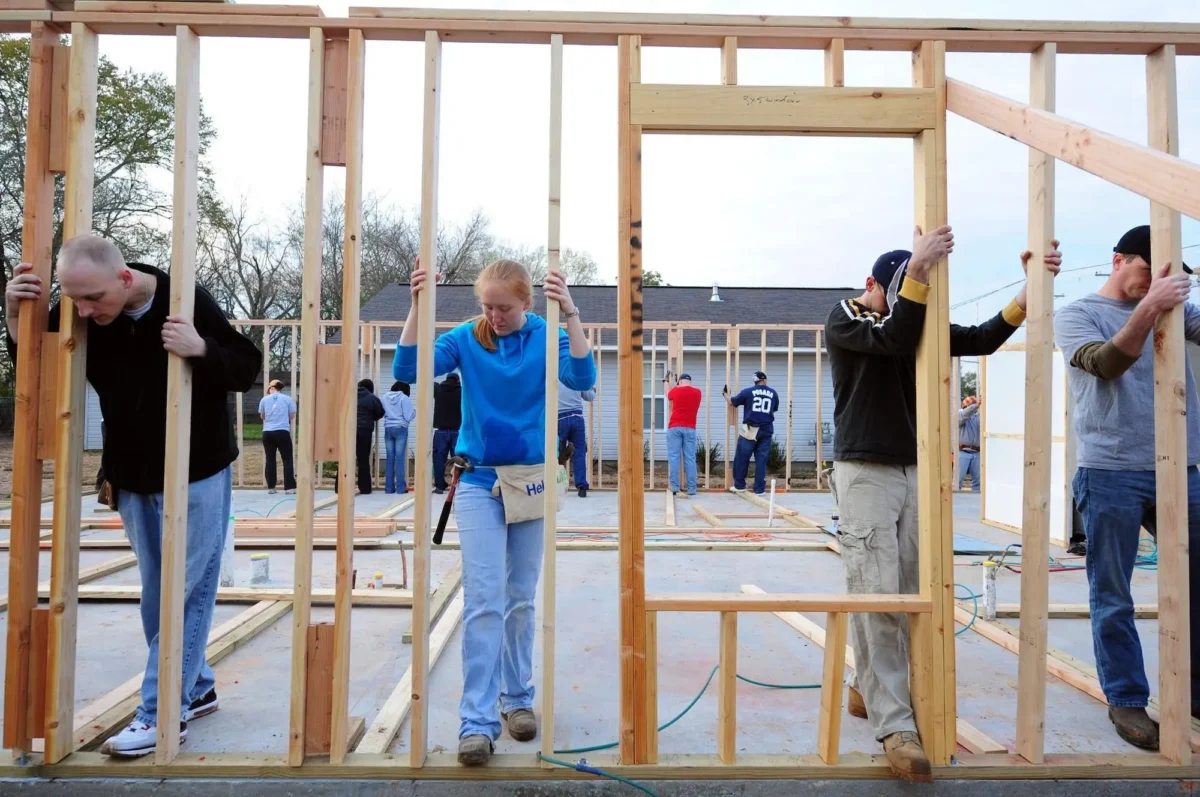

Something has shifted in how buyers think about homeownership, and it’s not subtle anymore. New construction homes aren’t simply appealing because they look pristine. They’re purpose-built for modern life in ways that older inventory simply can’t replicate. Smarter energy systems. Layouts that actually make sense. Warranties that give you breathing room. If you’ve been circling the idea of buying new, the timing couldn’t be better.
A Market Shift That’s Hard to Ignore
Regional housing isn’t what it was three years ago. Resale inventory remains stubbornly tight, and buyers who’ve spent months losing bidding wars on dated properties are increasingly making a different call entirely. According to Northwest MLS data, new construction accounted for roughly 14.2% of home sales in 2024, a telling signal about where demand is heading when existing supply keeps falling short.
Alabama Communities Are Seeing Strong Buyer Interest
Across Alabama and nearby Georgia markets, residential growth continues to accelerate as buyers look for communities that combine convenience, comfort, and long-term value. Cities such as Auburn, Opelika, Montgomery, Huntsville, and Columbus have become increasingly attractive for families and professionals seeking modern suburban living without sacrificing accessibility or lifestyle amenities. This growing demand has also increased attention toward builders like Stone Martin Builders, known for developing thoughtfully planned communities with contemporary home designs and functional living spaces.
The momentum behind new construction is continuing as more buyers choose homes designed around today’s lifestyle expectations. Smart-home integration, open-concept floor plans, energy-efficient systems, and community-focused neighbourhoods are no longer considered luxury additions; they’ve become standard priorities for modern homeowners.
What’s Actually Driving Buyer Preference
Older homes often come with hidden expenses that many buyers only discover after moving in. Aging infrastructure, outdated layouts, frequent repairs, and lower energy efficiency can quickly turn an affordable purchase into an expensive long-term investment. Newly built homes help reduce much of that uncertainty by offering updated construction standards, modern appliances, and layouts built for contemporary living.
Today’s buyers want homes that support remote work, provide energy savings, include smart technology compatibility, and require less immediate maintenance. New construction communities are increasingly meeting those expectations from day one, which explains why buyer demand continues shifting toward modern developments rather than older resale inventory
The Real Benefits, Beyond the Surface Appeal
The benefits of new homes aren’t just visual. They’re measurable, repeatable, and they compound over time in ways that make a meaningful difference to your monthly budget and your long-term financial picture.
Energy Efficiency That Actually Shows Up on Your Bills
High-performance insulation, triple-pane windows, smart HVAC configurations, these aren’t luxury add-ons in new builds anymore. They’re baseline expectations. Buyers consistently report lower utility costs compared to older homes, and those savings accumulate every single month you’re living there. Over a ten-year horizon, that gap becomes significant.
Technology That’s Integrated, Not Retrofitted
New construction communities typically include smart home automation, security infrastructure, EV-ready garages, and a high-speed internet backbone as standard features. You’re not retrofitting anything. It’s all already there, functional, integrated, and ready to use from the moment you walk through the door.
The Ability to Actually Customize Your Space
Here’s something resale homes genuinely can’t offer: the opportunity to shape the home before you move into it. Floor plans, finishes, room configurations, whether you’re building a dedicated home office, planning for multigenerational living, or simply prioritizing storage, new construction gives you that agency in a way that’s nearly impossible to replicate when buying existing inventory.
Warranties That Eliminate the Guesswork
Builder-backed warranties cover structural elements, major systems, and finishes for defined periods post-closing. That’s a fundamentally different ownership experience than inheriting an older home where the HVAC is overdue for replacement, and the roof is anyone’s guess. New construction homes reduce financial surprises dramatically during those critical first years.
Design Trends Shaping Today’s New Communities
The latest new home trends aren’t purely aesthetic. They reflect real decisions about how communities should function and how homes should support daily life over the long term.
Architectural Direction Right Now
Open-concept floor plans with generous natural light remain dominant. Indoor-outdoor connectivity, folding doors, extended covered patios, and seamless transitions between interior and exterior living are standard in competitive new builds. Wellness-oriented features like air filtration and light-optimized layouts are appearing with increasing regularity. These homes feel considered in ways that older construction simply doesn’t.
Communities Designed Around How You Actually Live
Master-planned neighborhoods have raised the bar considerably. Parks, trail systems, walkable retail corridors, and community gathering spaces, these features are no longer differentiators.
They’re baseline expectations for buyers evaluating new construction. Families with school-age children particularly value proximity to highly rated districts and safe recreational infrastructure built into the community footprint.
Sustainability as a Standard, Not an Upgrade
Net-zero-ready construction and passive house principles are moving from niche to mainstream. Water conservation systems, climate-adapted landscaping, and solar-ready infrastructure are appearing in communities that weren’t discussing these features five years ago. Buyers aren’t requesting sustainability anymore; they’re assuming it.
How the Buying Process Actually Works
Buying new homes follows a distinct path from resale, and understanding it upfront makes the entire experience far less stressful.
Most purchases progress through clear phases: selecting your community, choosing a floor plan, locking in upgrades, and managing the build timeline. Working with the builder’s sales team is helpful, but an independent buyer’s agent still serves your interests in ways that the builder’s representative simply cannot.
Even with brand-new construction, a third-party inspection before closing is worth every dollar. Builder warranties typically cover structural defects for ten years, systems for two years, and finishes for one, but coverage specifics vary meaningfully between builders. Read carefully before you sign.
Frequently Asked Questions
Are new construction homes more expensive than resale?
Not necessarily in total cost terms. Once you account for reduced maintenance, energy savings, and warranty coverage, new builds frequently offer stronger long-term value, even when the purchase price runs slightly higher than comparable resale properties.
Can you negotiate with a builder?
Yes, though the dynamic differs from resale negotiation. Builders may hold firm on list price but often provide closing cost credits, mortgage rate buydowns, or upgrade packages, particularly in active market conditions. Always ask what incentives are currently on the table.
Do you need your own agent when buying from a builder?
Technically no. Practically speaking, absolutely yes. A buyer’s agent represents your interests exclusively, helps you navigate contract terms, and adds leverage in upgrade and incentive discussions, at no additional cost to you.
The Bottom Line
New construction homes aren’t gaining popularity because of a marketing cycle. They’re gaining popularity because they’re objectively better aligned with how people want to live today. Lower operating costs, integrated technology, meaningful customization options, and community design built around real quality of life; these aren’t small advantages. They’re decisive ones.
Whether you’re entering the market for the first time or looking to trade up, exploring new builds right now positions you ahead of the curve and puts you in a home designed around your future, not inherited from someone else’s past.
Also Read
- How Viral Mobile Games Gain Popularity
- LMR Meaning: The Real Definition in Texting, Social Media, Dating, and Gaming
- The Professional Caregiving Solutions are Designed to Improve Quality of Life





Leave a Comment