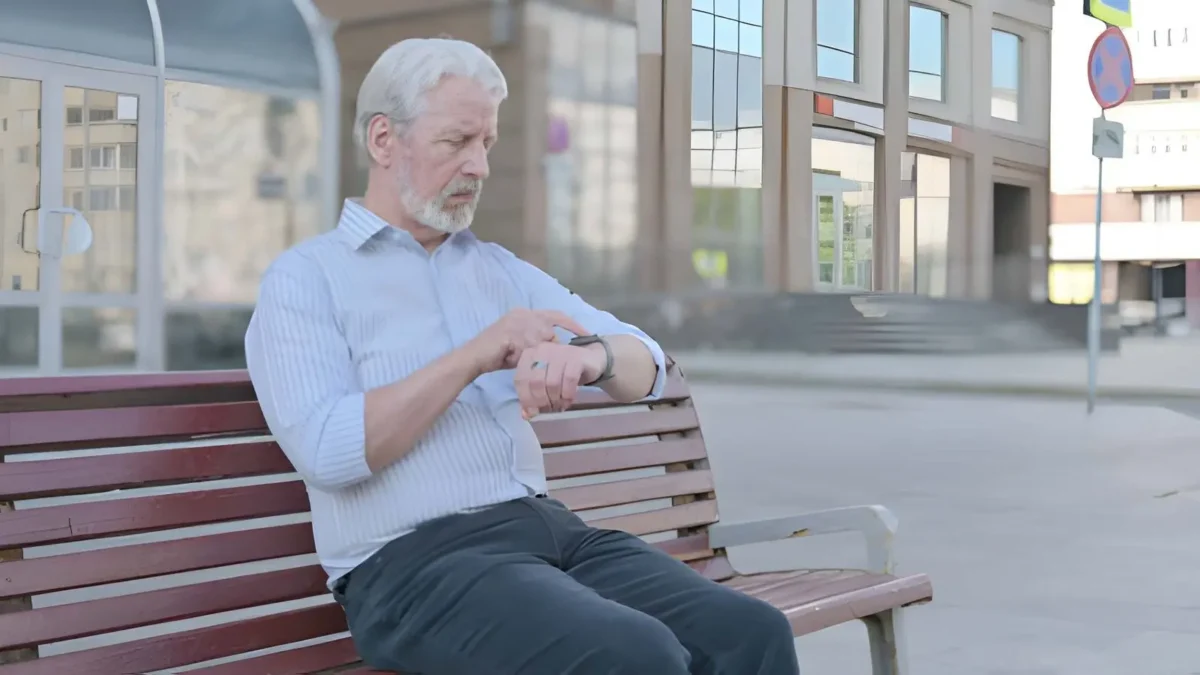

When a parent or grandparent begins living alone, one question quietly takes up residence in the back of your mind: What happens if something goes wrong and no one is there?
It’s not a morbid thought. It’s a practical one — and it’s exactly why the market for senior medical alert smartwatches has grown so rapidly over the past decade. These devices have evolved far beyond the iconic “I’ve fallen and I can’t get up” pendant of the 1980s. Today’s smartwatches can detect falls automatically, track location in real time, monitor heart rhythms, and connect to professional monitoring centers within seconds.
But not all devices are created equal. With dozens of options on the market, knowing which features genuinely matter — and which are marketing fluff — can be the difference between a device your loved one actually wears and one that sits in a drawer.
Here’s a practical, feature-by-feature guide to help you make the right choice.
1. Automatic Fall Detection
This is arguably the single most important feature a medical alert smartwatch can offer for seniors. According to the Centers for Disease Control and Prevention (CDC), falls are the leading cause of fatal and non-fatal injuries among adults aged 65 and older — with about 14 million older adults reporting a fall each year in the United States.
The critical word is automatic. Many seniors who fall are unable to press a help button due to loss of consciousness, disorientation, or injury. A watch with built-in fall detection uses accelerometers and gyroscopes to recognize the signature motion of a fall and automatically trigger an alert — no button press required.
When evaluating this feature, ask:
- Does it detect falls even when the wearer is indoors?
- How quickly does it trigger after a fall?
- Can it distinguish between a genuine fall and everyday movements like sitting down quickly?
Some devices also include false-alarm cancellation, giving the wearer a brief window to cancel the alert if they’re fine — which protects against unnecessary emergency calls.
2. 24/7 Professional Monitoring with Two-Way Communication
A smartwatch that only contacts family members is a good start, but it’s not enough. A truly reliable medical alert system connects to a professional monitoring center staffed around the clock by trained emergency response agents.
When an alert triggers, these agents can speak directly to the wearer through the watch’s built-in speaker and microphone, assess the situation, and dispatch the appropriate help — whether that’s a family member, neighbor, or emergency services.
Services like Vitalis Medical Alert Monitoring are built around this concept, offering 24/7 monitoring with immediate human response. The value of having a real person on the other end — someone who can stay calm, communicate clearly, and coordinate help — cannot be overstated in a genuine emergency.
When comparing monitoring plans, check:
- Are agents available every hour of every day, including holidays?
- Is there a dedicated direct line for emergencies?
- What’s the average response time from alert to agent pickup?
3. GPS Tracking
For seniors who live active, independent lives — or for those with early-stage dementia who may wander — GPS tracking is a non-negotiable feature.
Real-time GPS allows caregivers and monitoring centers to pinpoint the wearer’s exact location at any moment. This is critical not just during emergencies but also for day-to-day peace of mind. Many services offer companion apps where family members can check location passively without having to call.
The World Health Organization estimates that 60% of people with dementia will wander at some point. A smartwatch with accurate GPS can dramatically reduce the time it takes to locate a missing person — often making the difference between a brief scare and a tragedy.
Look for:
- GPS accuracy (within a few meters is ideal)
- Coverage area (does it rely on Wi-Fi only, or true cellular GPS?)
- Geofencing alerts that notify caregivers if the wearer leaves a defined “safe zone”
4. Cellular Connectivity (Not Just Wi-Fi)
Many budget medical alert devices rely on Bluetooth or home Wi-Fi to function. This might seem fine — until your parent falls in the backyard, at the grocery store, or at a friend’s house.
A senior medical alert smartwatch should include built-in cellular connectivity so it functions independently anywhere there is a cellular signal, without needing to be paired to a smartphone or connected to a home network.
This is especially important for active seniors who travel, take classes, or run errands regularly. A device that only works at home provides a false sense of security.
5. SOS Emergency Button
Despite the importance of automatic detection, a clearly accessible, dedicated SOS button remains essential. Not every emergency involves a fall. A senior might experience chest pain, a stroke symptom, sudden dizziness, or severe anxiety — and want to immediately call for help.
The best SOS buttons are:
- Large enough to press easily with arthritic hands
- Protected against accidental activation (often requiring a press-and-hold)
- Immediately visible without needing to navigate menus
Some newer devices bury emergency functions inside touchscreen menus, which can be difficult for older adults under stress. Physical dedicated buttons remain the gold standard for true emergencies.
6. Heart Rate and Health Monitoring
Many modern medical alert smartwatches now include continuous heart rate monitoring, and some go further with irregular heart rhythm detection that can flag potential atrial fibrillation (AFib) — one of the leading risk factors for stroke.
As cardiologist Dr. Eric Topol has noted, “Wearable devices are moving from fitness accessories to genuine medical instruments.” For seniors with cardiovascular risk factors, a watch that can detect an arrhythmia and prompt a consultation — before a cardiac event occurs — represents a meaningful shift in preventative care.
At minimum, look for:
- Continuous heart rate monitoring (not just on-demand)
- High-heart-rate and low-heart-rate alerts
- Ideally, ECG or AFib detection capability
Blood pressure monitoring, blood oxygen (SpO2) tracking, and sleep monitoring are valuable additions if available.
7. Long Battery Life and Waterproofing
Even the most advanced smartwatch is useless if it’s sitting on a charger when an emergency happens — or if a senior refuses to wear something that feels inconvenient.
Battery life should realistically last at least 24–48 hours between charges, with some devices offering 3–5 days. Look for devices that offer charging alerts so the wearer knows when to plug in.
Waterproofing (ideally rated IP67 or higher) is equally important. Bathroom falls are among the most common and dangerous falls for older adults, and a watch that can’t survive a shower offers incomplete protection. The device should be wearable in the bath, shower, or rain without risk of damage.
8. Comfort, Weight, and Ease of Use
Here is a truth that often gets overlooked in feature comparisons: the best medical alert smartwatch is the one a senior will actually wear every day.
Devices that are too heavy, too complex, or uncomfortable tend to be left on nightstands. Look for:
- Lightweight construction (under 50 grams is ideal)
- Soft, adjustable bands that won’t irritate sensitive skin
- Simple, readable display — ideally with large text
- Minimal required interaction for day-to-day use
If possible, let the senior themselves handle the device before purchasing. Their comfort with the form factor matters enormously for long-term compliance.
9. Transparent Pricing and No Hidden Fees
Medical alert devices typically involve both a hardware cost and an ongoing monitoring subscription. Before committing, get a clear picture of:
- Monthly monitoring fees (industry average ranges from $20–$50/month)
- Whether there are activation fees, cancellation fees, or long-term contracts
- What happens if the device is lost or damaged
Some services, including Vitalis, offer straightforward monthly plans without long-term commitments — an important consideration for families who want flexibility as needs change over time.
According to the AARP Public Policy Institute, cost and ease of use are the two most common barriers preventing older adults from adopting medical alert technology. Transparent, predictable pricing removes one of those barriers entirely.
Putting It All Together
Choosing a senior medical alert smartwatch is ultimately about one thing: ensuring that help is always within reach, no matter where your loved one is or what time it is.
The features that matter most — automatic fall detection, professional 24/7 monitoring, GPS tracking, cellular connectivity, and a reliable SOS button — form the foundation of any trustworthy device. Health monitoring features like heart rate and ECG detection add a preventative layer that can catch warning signs before they become emergencies. And practical factors like battery life, waterproofing, and comfort determine whether the device actually gets worn.
For families navigating this decision, resources like Vitalis’s medical alert monitoring offer a helpful overview of what a comprehensive, modern monitoring service looks like in practice — including cellular coverage, GPS tracking, and around-the-clock professional response.
The American Geriatrics Society recommends that fall prevention strategies for older adults include both environmental modifications and the use of personal emergency response systems. A well-chosen smartwatch addresses the latter — quietly, reliably, and every single day.
The goal isn’t to make seniors feel monitored or dependent. It’s to give them — and the people who love them — the freedom that comes from knowing that if something goes wrong, help is already on the way.
For more information on professional medical alert monitoring options, visit the CDC’s falls prevention resources and explore dedicated monitoring services designed specifically for older adults.
Also Read-Discover the Health Benefits of Houjicha: A Traditional Japanese Roasted Green Tea





Leave a Comment