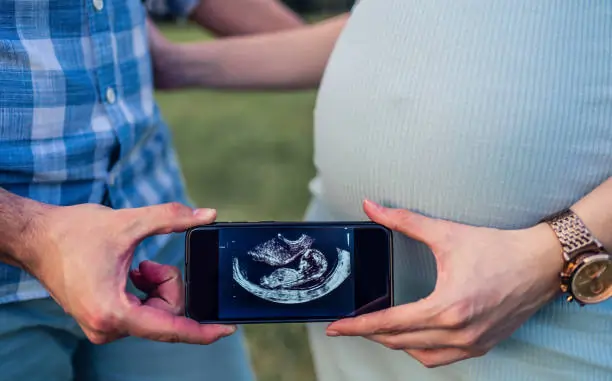

In the realm of prenatal care, the dating scan plays a vital role in assessing the health and development of the embryo. Conducted during the early stages of pregnancy, typically between seven and sixteen weeks, it provides crucial information regarding the gestational age of the pregnancy. This helps in ensuring that the pregnancy progresses as expected, and prepares both healthcare providers and expectant parents for what lies ahead.
The Role of a Dating Scan
The primary purpose of a dating scan is to establish an accurate timeline of the pregnancy. This ultrasound is instrumental in confirming the presence of a heartbeat, determining the number of embryos, and identifying the exact gestational age. By doing so, healthcare professionals can predict the due date with greater precision compared to the traditional method of calculating based on the last menstrual period.
Accurate Dating for Better Outcomes
Accurate dating is fundamental for a variety of reasons. It ensures that prenatal tests are conducted at the appropriate times, optimises the window for screening tests, and prevents unnecessary interventions. Knowing the accurate gestational age through a dating scan helps in the management of the pregnancy and planning for delivery, ultimately aiming for a successful birth outcome.
How the Scan is Performed
The dating scan is a straightforward and non-invasive procedure. It is typically performed via a transabdominal ultrasound, where the physician applies a special gel on the abdomen and uses a transducer to capture images of the uterus and embryo. In certain cases, especially early in the pregnancy, a transvaginal ultrasound may be recommended to obtain clearer images.
Assessing Multiple Pregnancies
For expectant parents of multiples, a dating scan can be indispensable. It accurately counts the number of embryos, determining whether the pregnancy involves twins, triplets, or more. This information is critical for planning, as multiple pregnancies often require specialised care and monitoring.
Confirming Viability and Location
Beyond dating and counting, the scan also confirms the viability of the pregnancy by detecting fetal heartbeats. Additionally, it checks the location of the pregnancy to ensure that it is developing within the uterus, ruling out ectopic pregnancies that can pose serious health risks.
Ultrasound: A Window into the Uterus
The dating scan provides the first glimpse of the developing embryo, offering exciting insights into the early stages of life. For many parents, this scan is often when they first see their child, making it a momentous occasion in the pregnancy journey.
Changing Gestational Age
Occasionally, the dating scan might reveal a gestational age different from the one originally estimated. Adjustments may be necessary if the original due date does not align with the measure from the scan, ensuring that the pregnancy timeline is as accurate as possible.
Impact on Prenatal Screenings
By accurately determining gestational age, healthcare providers can schedule prenatal screenings at the optimal times. This timing is essential for tests such as the first trimester screen, which assesses the risk of chromosomal abnormalities like Down syndrome.
Reducing Anxiety for Expectant Parents
Early pregnancy can be a time of uncertainty and anxiety for many parents. By providing insight and reassurance, a dating scan plays a critical role in alleviating these concerns. Knowing that the pregnancy is on track can offer significant peace of mind.
Preparation for the Scan
Preparing for a dating scan involves a few simple steps. It is advisable for expectant mothers to drink plenty of water before the appointment to ensure the bladder is full, which helps in creating clearer images during an abdominal ultrasound.
Frequency of Scans
While the dating scan is a standard procedure during early pregnancy, subsequent scans may be recommended based on the mother’s health and the family’s medical history. These scans monitor the fetus’s development and can detect any potential complications early.
Medical Personnel Involved
The dating scan is usually performed by a sonographer or an obstetrician specialising in prenatal care. These trained professionals ensure the accuracy of the scan and communicate their findings effectively to the expecting parents and other healthcare providers.
Conclusion
The dating scan is an indispensable tool in the landscape of prenatal care. By providing precise gestational dating, confirming viability, and planning for prenatal screenings, it helps in guiding expectant parents through the early stages of pregnancy. For a healthy and well-prepared pregnancy journey, understanding this critical scan and its implications is invaluable.
Read more: Effective Pigmentation Treatment Solutions at Cronulla Skin Sanctuary
Transform Your Space with Expert Printing and Framing Solutions
Top Benefits of Using Rebounders in Australia for Your Home Gym Setup

Grace Mitchell is a content writer at GrammerWay, focused on English grammar, clear writing, and common language mistakes. She creates simple, reader-friendly guides to help improve writing confidence.
Leave a Comment