
Each workday starts with a familiar routine. We wear our thick gloves and lace up our boots. But for many workers, the eyes are totally exposed to common hazards. Every jobsite has changing conditions, and even routine tasks can create unexpected eye hazards. A small metal particle or a sudden spattering of liquid can alter your life in a flash.
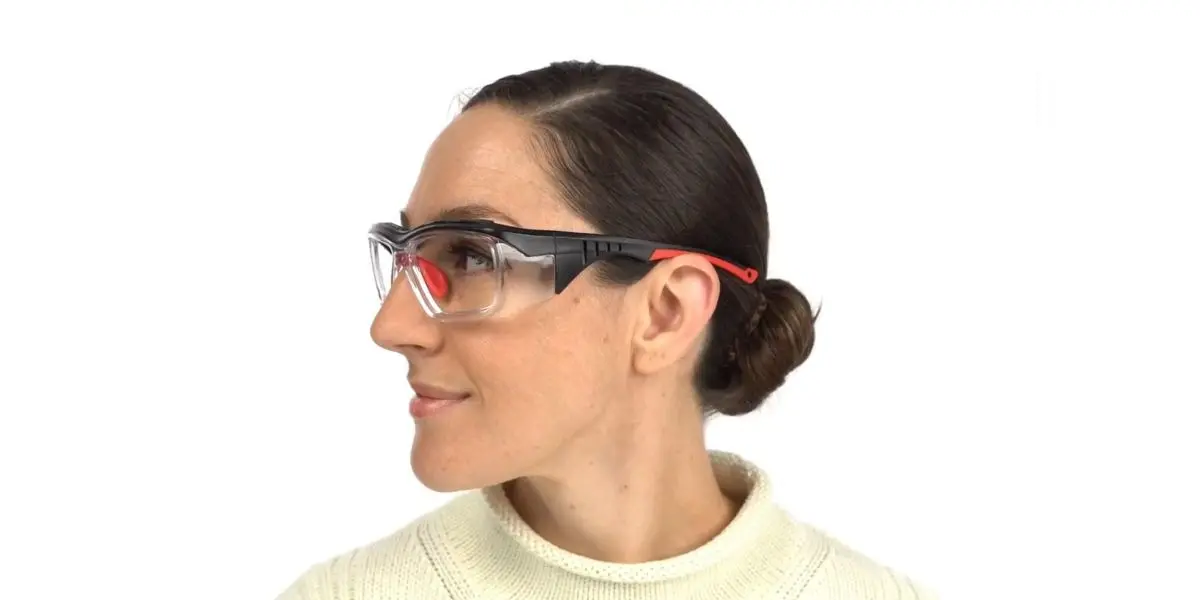
Your first line of defense every day is selecting protective eyewear. The right Safety Eye Glasses help workers stay protected while focusing on the job. Ensuring your vision remains safe is more than a simple compliance requirement for a workplace inspector. It is a vital choice that preserves your long-term career.
Your eyes cannot heal as minor skin cuts can. Every night, you can return home safely to your family if you properly secure them. Everyone will have a safer workplace and less downtime if there are fewer eye injuries.
Why Hazardous Work Environments Demand Eye Protection
Many workplace risks are simple to ignore until an incident occurs. Traditional machinery operates at extremely high speeds and constantly produces debris. Dust or flying stone grit can cause blindness to an unprotected operator. These particles move so quickly that they can penetrate the thin surface of the eye.
In addition, there are strong chemical cleaners and solvents used daily in industrial facilities. Corrosive materials may spray throughout a room if a pipe breaks. Weather, lighting, and airborne dust can also increase the risk of eye injuries. Blinding outdoor sunlight creates extreme glare that covers up dangerous trip hazards.
Dust blown by sudden wind gusts can easily compromise a technician’s focus. Relying on standard streetwear glasses offers no real protection. Fashion frames often shatter under the force of a minor jobsite impact. Safety eyewear designed for industrial work is built to handle impacts that ordinary glasses are not.
Top Benefits of Wearing Safety Eye Glasses
Benefit 1: Protects Against Impact Injuries
Flying objects remain one of the leading causes of workplace eye injuries. High-strength polycarbonate lenses that are extremely resistant to cracking or breaking are used in industrial frames. These durable materials instantly stop stone chips, flying rivets, and broken nails. They provide a physical barrier to disperse harmful kinetic energy. This hard barrier protects your most fragile organs while you’re doing big work.
Benefit 2: Decreases exposure to chemical hazards
Liquid chemical exposure can damage sensitive eye cells in a matter of seconds. Caustic splashes and dangerous mists are prevented by tight-fitting spectacles. Wearing the proper eye protection reduces the impact of harmful spills and speeds up emergency response.
Benefit 3: Improves Vision While Working
You can identify moving risks far more quickly when you have clear vision. Advanced lens treatments are used in modern protective eyewear to lessen fogging and glare. Specialized optics can assist employees who have trouble reading small labels. Using Progressive Safety Glasses provides smooth focal transitions from close reading to distant hazards. This clear sight prevents the headaches and eye strain caused by squinting all day.
Benefit 4: Encourages Better PPE Compliance
Comfortable eyewear makes workers more likely to wear it throughout the day. When safety eyewear fits correctly, employees naturally keep it on all day. This continuous use eliminates dangerous compliance gaps during short transitions between jobsites. A lightweight design removes the temptation to take them off during a warm afternoon shift.
Benefit 5: Supports Workplace Productivity
Clear vision helps workers stay focused and complete tasks with fewer interruptions. Workers do not need to constantly dodge flying sparks or dust clouds. Clear lenses mean fewer mistakes when measuring raw materials or reading blueprints. Safe operations maintain a steady flow without sudden emergency stops.
Benefit 6: Helps Reduce Injury Costs
A single major eye accident can drain a company’s budget quickly. Medical bills and workers’ compensation claims strain your operational resources. Providing reliable Safety Eye Glasses lowers these severe financial risks dramatically. It protects your bottom line while keeping your skilled team active on the floor.
| Benefit | How It Helps | Workplace Value |
| Impact Protection | Resists flying debris | Reduces injury risk |
| Chemical Protection | Shields against splashes | Supports safer handling |
| Clear Vision | Improves visibility | Better task accuracy |
| Cost Savings | Prevents injuries | Less downtime |
Choosing Safety Eye Glasses That Workers Will Actually Wear
Bulk-purchased protective gear often ends up sitting inside dark lockers. The reason is simple. One generic size never fits every face shape comfortably. If a frame pinches the nose, a worker will remove it. Modern procurement programs focus heavily on individual comfort and style preferences. Lightweight frames help your workforce prevent painful pressure points during long shifts.
Scratch-resistant coatings extend lens life for weeks of heavy use and keep the lens seeing clearly. However, for older technicians, simple safety glasses are not enough. Upgrading to Progressive Safety Glasses eliminates the need to constantly swap eyewear on the floor.
Workers can inspect close machinery parts and watch distant crane loads seamlessly. This reduces the need to switch between reading glasses and safety eyewear during the workday. A tailored fit directly translates to continuous protection.
Quick Safety Eye Glasses Checklist
Conduct a daily morning check of protective equipment. Take two minutes to verify these points before stepping onto the floor:
- Examine the lenses for deep scratches that distort your daily view.
- Confirm the frame arms sit securely on your ears without slipping.
- Make sure the frame fits your brow and cheekbones tightly.
- Use anti-fog sprays and microfiber lens cleaners that have been authorized.
- Look for the frame temple’s authentic ANSI Z87.1 stamp.
- Replace any plugged or dirty foam gaskets around the lens perimeter.
Conclusion
Good eye protection is a combination of good habits and proper equipment. Wearing safety equipment is inconvenient; thus, it is usually stored in lockers. Investing in comfortable, durable eyewear can help alleviate this daily discomfort. There are also bifocal safety glasses available to assist older or farsighted workers in reading schematics safely. It keeps your employees better protected for the entire duration of their shift. Regular inspections stop accidents from happening. The first step to a safe workspace is a clear and comfortable vision for all the people on the floor.
Also Read-Daman Game Guide to Features and Functions







Leave a Comment