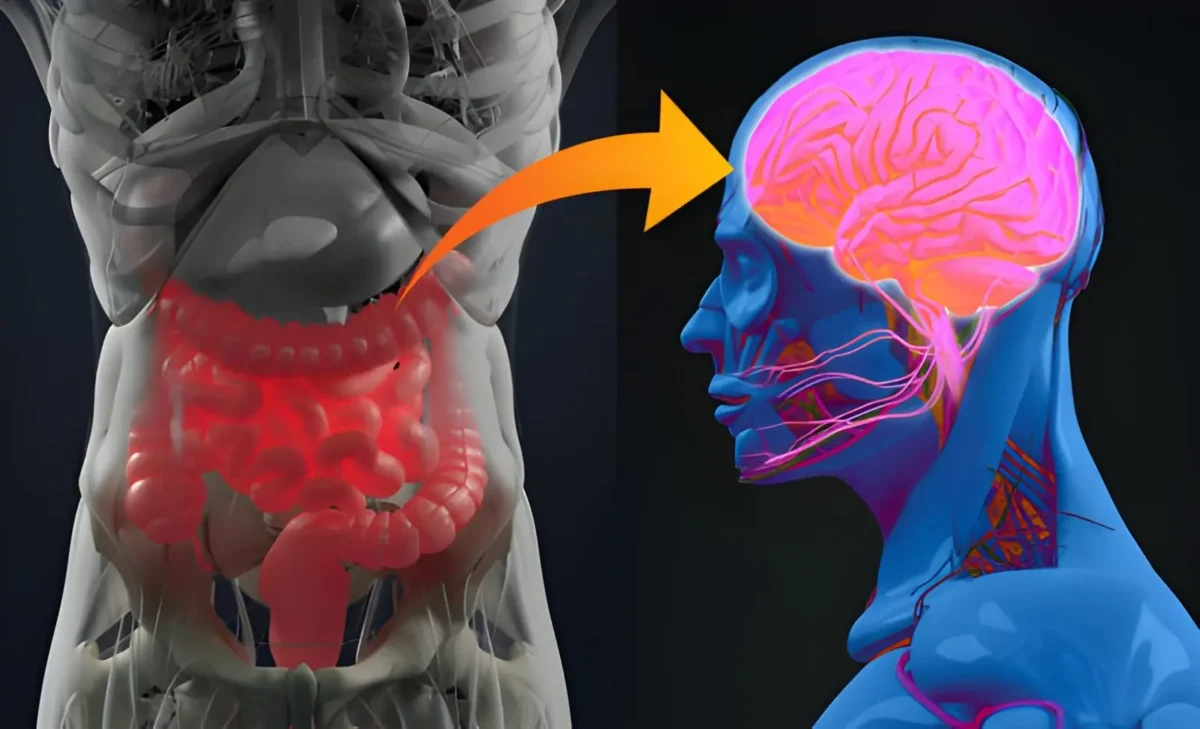

Most people have felt the gut-brain connection before they ever had a name for it. A nervous stomach before a big meeting. A loss of appetite during a stressful week. Bloating after rushing through meals. Digestive discomfort when the mind feels overloaded.
These experiences are not random. The brain and digestive system are in constant communication. When stress rises, digestion can change. When the gut feels uncomfortable, mood, focus, sleep, and energy may also be affected.
This is why the gut-brain connection has become such an important topic in wellness, stress management, and recovery. Digestion is not only about food. It is also influenced by the nervous system, daily habits, sleep quality, emotional state, and how often the body gets a chance to shift out of high-alert mode.
Understanding this connection can help you build better routines for digestion, stress, and daily recovery.
What Is the Gut-Brain Connection?
The gut-brain connection refers to the two-way communication between the digestive system and the brain. Signals travel from the brain to the gut, and from the gut back to the brain.
Cleveland Clinic describes the gut-brain connection as complex and bidirectional, with signals passing both ways between the digestive system and central nervous system. Important parts of this connection include the enteric nervous system, the vagus nerve, and the gut microbiome.
Harvard Health explains the same idea in simple terms: the brain can affect the stomach and intestines, and a troubled intestine can also send signals back to the brain. This is why stress, anxiety, and digestive discomfort often appear together.
In everyday language, your gut and brain are not separate systems. They are part of one connected network.
Why Stress Can Disrupt Digestion
Stress activates the body’s survival response. When the brain senses pressure, threat, or overload, the body prepares for action. Heart rate may increase. Breathing may become shallow. Muscles may tighten. Attention may narrow.
In the short term, this response can be useful. But digestion is not the body’s top priority when it thinks it needs to respond to stress.
This is why stress may contribute to digestive changes such as:
- bloating
- nausea
- stomach discomfort
- appetite changes
- constipation
- diarrhea
- acid reflux symptoms
- irregular bowel patterns
- feeling full too quickly
- digestive heaviness after meals
Mayo Clinic lists stomach upset and sleep problems among common physical effects of stress, while also noting that stress can affect mood and behavior.
Stress does not explain every digestive issue. Persistent or severe symptoms should always be discussed with a healthcare professional. But for many people, stress is one important factor in how the digestive system feels and functions.
The Role of the Vagus Nerve in Digestion and Recovery
The vagus nerve is one of the major communication pathways between the brain and body. It helps carry signals between the brain, heart, and digestive system. Cleveland Clinic notes that the vagus nerves are a key part of the parasympathetic nervous system and aid body functions during rest and digestion.
This is why the vagus nerve is often discussed in relation to “rest and digest.” When the body feels safer and more settled, digestion and recovery can become easier to support.
The vagus nerve is not a cure button. It does not instantly fix stress, sleep, bloating, or fatigue. But it is part of the body’s regulation network, which is why habits like slow breathing, meditation, gentle movement, and newer wellness approaches such as an auricular vagus nerve stimulation device are often discussed in the context of nervous system balance.
The key idea is simple: digestion works better when the body is not constantly stuck in emergency mode.
How Stress Affects Appetite and Eating Patterns
Stress can change eating behavior in different ways.
Some people lose their appetite when stressed. Others eat more frequently, crave sugar or salty foods, or reach for caffeine to stay alert. Some people rush through meals without chewing well, eat while working, or snack late at night because the day felt emotionally draining.
These patterns can affect digestion and recovery. Eating quickly may make bloating or discomfort more likely. Too much caffeine late in the day can interfere with sleep. Late heavy meals may make the body work harder when it should be winding down.
A practical first step is not extreme dieting. It is awareness.
Ask yourself:
- Do I eat faster when stressed?
- Do I skip meals and overeat later?
- Do I drink more caffeine during stressful weeks?
- Do digestive symptoms get worse after poor sleep?
- Do I eat while distracted or rushed?
These questions can reveal patterns that a complicated diet plan might miss.
How Poor Digestion Can Affect Recovery
Recovery is not only about sleep or exercise. It includes how the body restores energy, regulates mood, repairs after activity, and prepares for the next day.
When digestion feels off, recovery may feel off too. You might feel heavy after meals, wake up tired, struggle to focus, or feel uncomfortable during rest. Digestive discomfort can also make it harder to relax at night.
The gut-brain connection helps explain why this happens. The digestive system communicates with the brain through neural, hormonal, immune, and microbial pathways. A 2025 review on the gut-brain axis describes the vagus nerve and enteric nervous system as direct communication routes between the gut and brain, involved in digestion, mood, behavior, and stress responses.
In practical terms, recovery works best when the body receives steady support from several directions: better sleep, calmer meals, movement, hydration, stress reduction, and nervous system regulation.
Stress, Sleep, and the Gut-Brain Loop
Stress, sleep, and digestion often form a loop.
Stress can make sleep harder. Poor sleep can make stress feel worse. When stress and sleep are both disrupted, digestion may become more sensitive.
Mayo Clinic notes that long-term activation of the stress response and prolonged exposure to stress hormones can disrupt many body processes and is associated with risks including digestive problems, sleep problems, headaches, muscle tension, and memory or focus issues.
This is why gut health routines should not focus only on food. Food matters, but so do sleep timing, meal timing, stress levels, breathing patterns, and recovery habits.
A person may eat a “healthy” meal and still feel uncomfortable if they eat it while rushing, worrying, scrolling, or working under pressure.
Signs Stress May Be Affecting Your Digestion
Stress-related digestion patterns can look different from person to person. Common signs may include:
- digestive symptoms that worsen during busy weeks
- bloating after rushed meals
- appetite changes during emotional stress
- stomach discomfort before meetings or travel
- bowel changes during deadlines
- more reflux symptoms when sleep is poor
- cravings that increase with stress
- feeling tired after eating
- difficulty relaxing after meals
These signs do not prove that stress is the only cause. But they can help you notice whether your digestive system responds to emotional and physical pressure.
If symptoms are severe, persistent, new, or worsening, it is important to seek medical advice.
How to Support the Gut-Brain Connection Naturally
Supporting the gut-brain connection does not require a perfect lifestyle. Small daily habits can help the body move out of constant stress mode and toward better digestion and recovery.
1. Take Two Minutes to Breathe Before Meals
Before eating, pause for two minutes.
Try this:
- Sit down.
- Relax your shoulders.
- Inhale through your nose for four counts.
- Exhale slowly for six counts.
- Repeat for five to ten rounds.
This short pause helps create a transition from “rush mode” to “meal mode.” It can also reduce the habit of eating while tense, distracted, or overloaded.
The goal is not to perform perfect breathwork. The goal is to give your body a signal that it is safe to slow down.
2. Stop Eating Like You Are Still Working
Many people eat while answering emails, watching videos, driving, or scrolling. This keeps the brain busy and the body tense.
Try making one meal per day screen-free. Chew slowly. Notice the taste and texture of food. Put your fork down between bites if you tend to rush.
This does not need to become a strict ritual. Even one calmer meal each day can support better awareness of hunger, fullness, and digestive comfort.
3. Build a Simple Post-Meal Walk
A short walk after meals can support digestion and help shift stress. It does not need to be intense. Even five to ten minutes of easy walking can create a helpful transition.
This is especially useful after lunch, when many people return immediately to screens and mental pressure. Walking gives the body movement, light, and a break from cognitive load.
4. Protect Your Sleep Routine
Sleep is one of the most overlooked gut-brain habits. Poor sleep can increase stress sensitivity, disrupt appetite patterns, and make the body feel less recovered.
A simple sleep-supportive routine might include:
- keeping a consistent wake time
- dimming lights at night
- reducing late caffeine
- avoiding heavy meals right before bed
- writing down tomorrow’s tasks
- practicing slow breathing
- keeping the bedroom cool and quiet
Better sleep does not solve every digestive issue, but it can help the nervous system recover.
5. Use Gentle Movement to Release Stress
Stress often sits in the body. Tight shoulders, clenched jaws, shallow breathing, and a tense abdomen can all make digestion feel more uncomfortable.
Gentle movement can help. Try:
- walking
- yoga
- stretching
- light cycling
- mobility exercises
- slow bodyweight movement
- restorative poses before bed
The best movement is not always the hardest workout. During stressful seasons, gentle consistency may support recovery better than pushing harder.
6. Watch Caffeine, Alcohol, and Late Meals
Caffeine can help with alertness, but too much caffeine or late-day caffeine may interfere with sleep and increase stress sensations.
Alcohol may make someone feel sleepy at first, but it can disrupt sleep later in the night. Late heavy meals can also make sleep and digestion more difficult for some people.
Try tracking your patterns for one week:
- caffeine timing
- alcohol intake
- dinner timing
- sleep quality
- bloating or reflux
- bowel changes
- stress level
You may find that small timing changes create noticeable improvements.
7. Create a Daily Recovery Routine
A daily recovery routine helps the body receive repeated signals of safety. It does not need to be long.
A simple routine could include:
- morning light
- a short walk
- slow breathing before meals
- a calmer dinner
- light stretching
- a consistent bedtime
- meditation or journaling
- gentle wellness tools
Some people also explore ear-based nervous system support as part of a broader recovery routine. For a deeper look at the vagus nerve and gut-brain connection, it can be helpful to understand how stress, digestion, and nervous system regulation are linked.
The most important part is consistency. A small routine repeated daily is more valuable than a complicated routine that is impossible to maintain.
What Not to Do
When people feel digestive discomfort, they often try to fix everything at once. They cut out too many foods, start multiple supplements, change their schedule overnight, and add strict wellness rules.
This can create more stress.
Instead, start with the basics:
- Eat more slowly.
- Breathe before meals.
- Sleep more consistently.
- Move gently.
- Track symptoms.
- Reduce late caffeine.
- Get support when symptoms persist.
A calm, steady approach is usually more sustainable than an extreme one.
When to Seek Medical Help
Stress can affect digestion, but digestive symptoms should not always be blamed on stress.
Speak with a healthcare professional if you experience:
- severe or persistent abdominal pain
- unexplained weight loss
- blood in stool
- ongoing vomiting
- difficulty swallowing
- persistent diarrhea or constipation
- symptoms that wake you at night
- worsening reflux
- fatigue that does not improve
- major changes in bowel habits
Professional evaluation matters. Stress management can support digestive wellness, but it should not replace medical care when symptoms need attention.
Final Thoughts
The gut-brain connection explains why stress, digestion, sleep, and recovery often move together. When stress is high, digestion may become more sensitive. When digestion feels uncomfortable, the brain may feel more anxious, distracted, or tired. When sleep is poor, both stress and digestion may become harder to manage.
The solution is not to chase perfect calm or perfect digestion. The solution is to give the body steady support.
Breathe before meals. Eat more slowly. Walk after eating. Protect sleep. Move gently. Reduce late stimulants. Build a daily recovery routine that helps your nervous system shift out of constant alertness.
Your gut and brain are always talking. The habits you repeat each day can help make that conversation calmer, clearer, and more supportive.
Also Read-Innovative Technologies in Metalworking Equipment






Leave a Comment