
Key Takeaways
- Regular roof maintenance can extend a commercial roof’s lifespan by up to 50%.
- Proactive maintenance reduces unexpected repair costs and stabilizes operating budgets.
- Implementing a structured maintenance plan is more cost-effective than reactive repairs.
Table of Contents
- Importance of Proactive Roof Maintenance
- Common Causes of Premature Roof Deterioration
- Benefits of Regular Roof Inspections
- Developing a Structured Maintenance Plan
- Cost-Benefit Analysis of Proactive Maintenance
- Case Study: Successful Roof Maintenance Program
- Conclusion
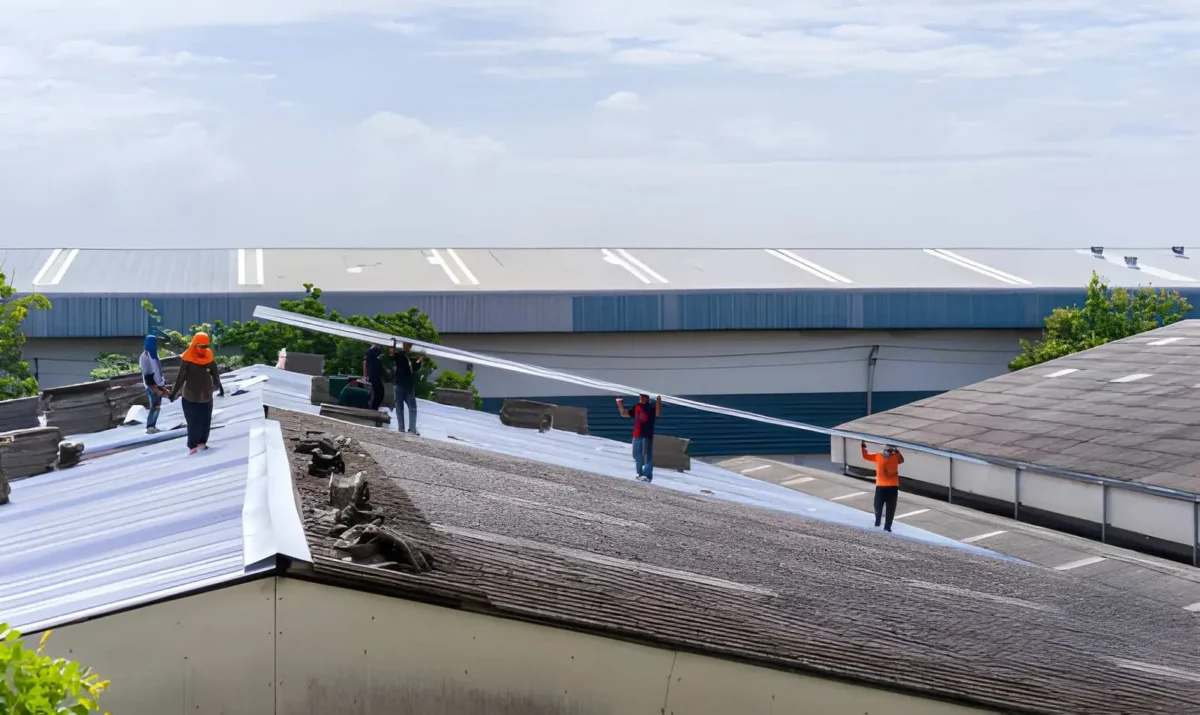
Maintaining a commercial property is a multifaceted responsibility, with the integrity of the roof serving as the foundation of property health and operational continuity. Focusing on regular and proactive roof care not only safeguards against structural vulnerabilities but also delivers lasting financial gains. Ensuring that the roof remains in optimal condition can prevent unwanted business interruptions and extend the asset’s useful life, creating a safer, more profitable property for owners and tenants alike. For businesses in the Midwest, a commercial roof inspection in Kansas City can be the first step toward unlocking these benefits. Proactive maintenance goes beyond simple repairs. It encompasses routine evaluations, preventative actions, and documentation, which can collectively circumvent the need for major, disruptive interventions. This shift from a reactive to a proactive mindset enables more predictable maintenance schedules and better financial planning, giving property owners peace of mind about their investment and daily operations. Structural resilience is not just about patching leaks when they occur. Instead, it involves identifying potential weak spots before they fail, remembering that today’s small issue can be tomorrow’s major repair expense. Proactive maintenance is especially critical in regions with extreme weather swings, where a well-preserved roof can mean the difference between a minor tune-up and a costly emergency replacement. Even the best roofing materials can fall short without scheduled care and regular inspections. Investing in a proactive program also fosters confidence among occupants and stakeholders, as they know that building safety and preservation are prioritized year-round. This approach frequently reduces liability risks and avoids the snowballing costs related to prolonged neglect. Over time, consistent roof maintenance enables better resource allocation and enhanced asset value.
Importance of Proactive Roof Maintenance
Proactive roof maintenance is important for preserving the integrity and value of commercial properties. Early identification and resolution of minor issues help prevent severe structural damage, control costs, and maintain active business operations. Whether you own office buildings, warehouses, or retail centers, a proactive approach ensures your property delivers years of reliable service while minimizing disruptions.
Common Causes of Premature Roof Deterioration
Several factors accelerate the decline of commercial roofing systems, many of which can be recognized and mitigated with regular maintenance:
- Weather Exposure: Constant exposure to harsh sunlight, heavy rain, ice, and wind can degrade roofing materials far faster than anticipated.
- Poor Drainage: Blocked gutters or incorrect slopes allow water to pool and infiltrate roofing layers, weakening the roof far more rapidly.
- Neglected Repairs: Unattended minor damages or deferred repairs typically lead to substantial, costly problems as small leaks expand or materials degrade further.
Benefits of Regular Roof Inspections
Routine professional inspections provide several distinct advantages for building owners and facility managers. Catching problems early is often the difference between a minor fix and an emergency replacement. Addressing faults early greatly reduces costs and extends the overall roof life. Consistent inspections also reveal trends and trouble spots, allowing property owners to track the effectiveness of their maintenance investments and plan future budgets more effectively.
- Early Detection: Spotting issues when they first appear helps to avoid extensive, disruptive, and expensive repairs down the line.
- Cost Savings: Timely repairs of smaller flaws cost significantly less than larger, later-stage restorations.
- Extended Lifespan: Regular attention to the roof can add years or even decades to its useful life, maximizing the original investment.
Developing a Structured Maintenance Plan
Building an effective maintenance plan involves a combination of strategy, scheduling, and recordkeeping:
- Scheduling Regular Inspections: Set semi-annual inspection dates and always conduct a review after severe storms or significant weather incidents.
- Documenting Findings: Maintain detailed logs of every inspection, recommended action, and completed repair to inform future decisions and track expenditures.
- Implementing Preventive Measures: Remove debris, clean gutters, and maintain drainage systems to reduce risk and slow material degradation.
Cost-Benefit Analysis of Proactive Maintenance
Research shows that regular maintenance significantly reduces the total cost of roof ownership over time. Well-maintained roofs cost about $0.11 per square foot less annually over their lifespans, and they typically last 8 years longer than roofs managed with a reactive strategy. These savings quickly compound when you consider long-term capital expenditures, reduced emergency calls, and stabilized maintenance budgets. FacilitiesNet provides additional insights into the economic value of routine roof management.
Case Study: Successful Roof Maintenance Program
An Ohio-based commercial property owner recently adopted a comprehensive maintenance strategy, resulting in dramatic success. The property extended the usable lifespan of its roof by 50 percent, delivering a 4:1 return on the initial investment in proactive services. These measurable benefits included reduced unplanned repair costs, more consistent building operations, and greater overall property value. Consistent inspections and preventive care were crucial to this outcome, underscoring the tangible rewards of adopting a proactive maintenance mindset.
Conclusion
The case for proactive commercial roof maintenance is clear. Regular inspections, detailed documentation, and timely preventive measures deliver financial savings, safeguard daily operations, and enhance the overall value of every commercial property. A well-maintained roofing system helps prevent unexpected failures, reduces costly emergency repairs, and extends the roof’s useful life. By investing in preventative care now, property owners and managers can protect their investments, improve building efficiency, and maintain a safer environment for occupants. Consistent maintenance also provides greater confidence in the property’s long-term performance, ensuring durability, reliability, and stability for many years to come.
Also Read-Innovative Technologies in Metalworking Equipment





Leave a Comment