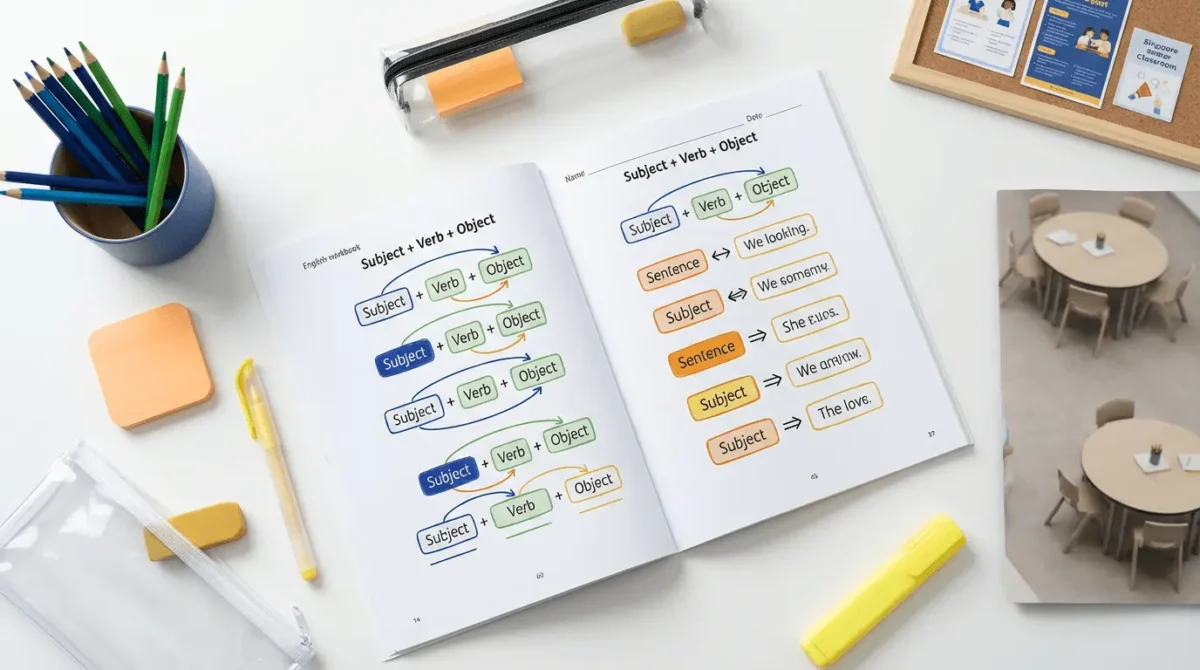

Mastering English grammar is not just about memorising rules—it is about understanding how language works in real communication. In many primary school curricula, students often struggle with sentence restructuring, joining ideas, and expressing the same meaning in different ways. This is where structured grammar training becomes essential. Many learners benefit from guided practice using structured resources such as synthesis and transformation rules worksheets and books, which help simplify complex grammar concepts into practical skills.
This guide explores everything students, parents, and educators need to know about these essential grammar skills, including how they work, why they matter, and how to master them effectively.
Understanding Synthesis and Transformation in Grammar
Before students can master sentence construction, they must first understand what synthesis and transformation actually mean in English grammar. These two skills form the foundation of advanced writing and comprehension.
Synthesis refers to combining two or more simple sentences into one meaningful sentence. Transformation, on the other hand, involves changing a sentence from one form to another without changing its meaning.
For example:
Simple: The boy is very tired. He cannot walk.
Synthesis: The boy is so tired that he cannot walk.
Transformation: The boy is too tired to walk.
These skills help students express ideas more clearly and effectively.
Key Points to Understand:
- Synthesis combines ideas into one sentence
- Transformation changes sentence structure
- Meaning must remain unchanged
- Grammar accuracy is essential
- Practice improves fluency
Summary of this section:
- Synthesis merges sentences logically
- Transformation rewrites sentence forms
- Meaning preservation is crucial
- Grammar rules guide accuracy
- Why Synthesis and Transformation Matter in Primary English
At the primary school english, students are not just learning vocabulary—they are learning how to think in structured English. These grammar skills play a major role in developing writing fluency and comprehension ability.
Synthesis and transformation questions are commonly tested in school examinations because they measure a student’s understanding of grammar beyond surface-level memorisation.
They help students:
- Improve sentence variety
- Strengthen writing skills
- Develop logical thinking
- Enhance comprehension ability
- Perform better in exams
These skills also support creative writing and essay composition later in secondary school.
Summary of this section:
- Essential for exam performance
- Improves writing fluency
- Builds logical sentence construction
- Supports long-term language development
- Common Types of Synthesis and Transformation Rules
Students often feel overwhelmed because grammar transformation involves multiple rule types. However, once organised systematically, these rules become much easier to understand and apply.
Below is a simplified breakdown of common types:
| Type | Example Focus | Purpose |
| Conjunctions | and, but, because | Join ideas |
| Degree changes | too…to, so…that | Show intensity |
| Passive voice | active ↔ passive | Change focus |
| Direct/Indirect speech | narration changes | Report speech |
| Sentence simplification | clause reduction | Improve clarity |
Each category follows specific patterns that students can learn through repetition.
Common Rule Examples:
- Because → So…that
- Too → To + infinitive
- Active → Passive voice
- Direct speech → Reported speech
Summary of this section:
- Multiple grammar categories exist
- Each has structured rules
- Patterns can be memorised
- Practice is essential for mastery
Step-by-Step Method to Solve Transformation Questions
Many students struggle not because the topic is difficult, but because they lack a structured approach. A clear method helps simplify even the most complex grammar questions.
Here is a step-by-step approach students can follow:
- Read the original sentence carefully
- Identify the main idea
- Understand the required transformation type
- Apply the correct grammar rule
- Check if meaning remains unchanged
This process ensures accuracy and reduces careless mistakes during exams.
Practical Tips:
- Highlight keywords in the sentence
- Identify subject and verb first
- Avoid changing meaning
- Practice regularly with examples
- Review mistakes carefully
Summary of this section:
- Step-by-step method improves accuracy
- Understanding meaning is key
- Grammar rules guide transformation
- Practice builds confidence
Common Mistakes Students Make
Even strong students make mistakes in synthesis and transformation because of confusion between similar rules. Identifying these errors early helps improve performance significantly.
Common mistakes include:
- Changing the meaning of the sentence
- Incorrect tense usage
- Misplacing conjunctions
- Forgetting grammar structure
- Overcomplicating simple sentences
These mistakes often occur due to lack of consistent practice rather than lack of understanding.
How to Avoid Errors:
- Revise grammar rules regularly
- Practice mixed question sets
- Compare answers with model solutions
- Focus on sentence meaning
- Learn from corrections
Summary of this section:
- Mistakes are common but avoidable
- Meaning must remain unchanged
- Grammar accuracy is essential
- Practice reduces errors
Importance of Practice in Mastering Grammar Skills
Grammar cannot be mastered through theory alone. Students need consistent exposure to exercises that challenge their understanding and reinforce learning.
Regular practice helps students:
- Recognise sentence patterns faster
- Improve speed and accuracy
- Build long-term memory of rules
- Gain confidence in exams
- Reduce exam stress
Using structured worksheets and assessment books strengthens learning outcomes significantly.
Effective Practice Methods:
- Daily sentence exercises
- Timed grammar drills
- Worksheet repetition
- Error correction practice
- Mock exam questions
Summary of this section:
- Practice is essential for mastery
- Improves speed and accuracy
- Strengthens memory retention
- Builds exam confidence
Role of Teachers and Parents in Learning Grammar
Guidance plays an important role in helping students understand grammar rules effectively. Teachers and parents can simplify concepts and provide real-time feedback.
Support strategies include:
- Explaining grammar rules clearly
- Providing sentence examples
- Correcting mistakes immediately
- Encouraging daily practice
- Tracking progress regularly
A supportive learning environment helps students develop stronger language skills.
Summary of this section:
- Guidance improves understanding
- Feedback corrects mistakes early
- Practice becomes more structured
- Learning becomes more effective
Final Takeaway
Synthesis and transformation skills are essential building blocks in primary English education. When students learn how to restructure sentences correctly, they gain confidence in writing, comprehension, and communication.
Educators emphasise structured grammar learning through guided practice and carefully designed exercises. This ensures students not only understand the rules but also apply them effectively in examinations and real-world communication. Visit Singapore Asia Publishers books and shop now!
Frequently Asked Questions (FAQs)
1. What are synthesis and transformation rules in English grammar?
Synthesis and transformation rules are grammar techniques used to restructure sentences. Synthesis combines two or more sentences into one meaningful sentence, while transformation changes the form of a sentence without altering its original meaning.
2. Why are synthesis and transformation important for primary school students?
These skills help students improve their writing, comprehension, and communication abilities. They also strengthen grammar knowledge and are commonly tested in school examinations.
3. How can students improve their synthesis and transformation skills?
Students can improve by practising grammar exercises regularly, learning common transformation patterns, reviewing mistakes, and using worksheets or assessment books designed for grammar practice.
4. What are the most common types of transformation questions?
Common transformation questions include changing active voice to passive voice, converting direct speech to indirect speech, using degree transformations such as “too…to” and “so…that,” and rewriting sentences with different conjunctions.
5. What mistakes should students avoid when doing synthesis and transformation exercises?
Students should avoid changing the original meaning of the sentence, using incorrect tenses, misplacing conjunctions, and ignoring grammar rules. Careful reading and regular practice can help prevent these errors.
Also Read-Morning Routines to Reduce Stress







Leave a Comment