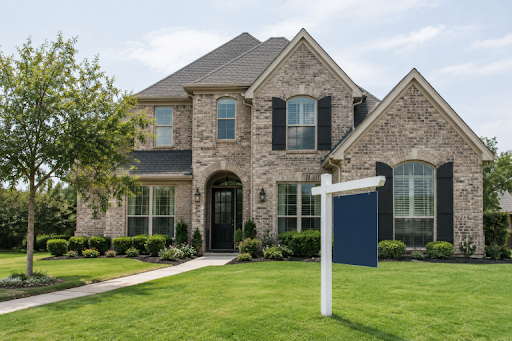

Selling a Dallas, Texas Home: A Clear Plan for Price, Repairs, and Timing
Key Takeaways
- Accurate local pricing matters more than broad citywide averages.
- Safety and water-related repairs usually take priority over cosmetic upgrades.
- An as-is sale can reduce work, but sellers should carefully compare the expected net proceeds.
- The highest offer is not always the strongest offer after fees, concessions, and contingencies.
- A realistic timeline can prevent rushed decisions and avoidable closing delays.
Selling a home in Dallas in 2026 calls for more than choosing a number and placing a sign in the yard. Buyers have more information, more listings to compare, and greater sensitivity to monthly payment costs. Homeowners evaluating a direct-sale option can review https://www.hilltophomebuyer.com/ alongside traditional listing strategies before deciding how much preparation, time, and negotiation they want to take on.
The best path depends on the property’s condition, its location, the owner’s financial goals, and the desired closing date. A well-kept house in Lake Highlands may need a different plan than an inherited property in Oak Cliff, a vacant home in East Dallas, or a rental in North Dallas that has become difficult to manage.
Why Selling a Dallas Home Takes More Planning in 2026
Dallas sellers operate in a market where affordability can limit demand, even when the regional economy remains active. Higher mortgage rates can reduce buyer purchasing power, while new construction and builder incentives give some buyers alternatives to resale homes. Recent Texas housing market data indicate slower DFW sales activity, varied price trends, and conditions requiring sellers to be deliberate about price and presentation.
For owners who need a simpler route, https://www.hilltophomebuyer.com/ may be one option to compare with an agent-led listing, a for-sale-by-owner process, or retaining the property as a rental. Comparing options early makes it easier to focus on the outcome that matters most, whether that is speed, convenience, price, or flexibility.
Read the Dallas Market Before Setting a Price
A citywide median sale price can’t determine one home’s value. Compare recent closed sales with similar neighborhoods, school areas, sizes, lots, ages, conditions, and bedrooms. Check active listings and homes on the market or with price cuts to understand buyers’ current options.
Location matters too: access to jobs, transit, parks, shopping, and neighborhood character affect buyer interest across Dallas and its suburbs. Don’t rely on a neighbor’s sale from years ago; market conditions, home condition, and financing costs may have changed.
Choose Repairs That Support the Sale
Start with issues that could affect safety, function, or a buyer’s confidence: active roof or plumbing leaks, electrical hazards, HVAC failures, drainage concerns, and visible water damage. These problems can lead to inspection requests, price reductions, or financing complications. Obtain written estimates before authorizing expensive work so the likely benefit is clearer.
Lower-cost improvements can make a meaningful difference. Deep cleaning, decluttering, neutral paint, working light fixtures, trimmed landscaping, and a clean entry can help buyers picture themselves in the home. Large remodels are less certain. A seller may spend heavily on a kitchen or bath renovation without recovering the full cost in the final sale price.
When Selling As-Is May Make Sense
An as-is approach may fit a house needing extensive work, a property with inherited belongings, a vacant home, or an unwanted rental. It can reduce preparation time and eliminate the need to manage contractors, but buyers may factor in the condition and the risk of repairs when making offers. “As-is” should not be treated as a substitute for honest disclosure of known material problems.
Compare the anticipated sale price with repair costs, monthly loan payments, property taxes, insurance, utilities, maintenance, and the cost of waiting. When probate, liens, divorce, bankruptcy, or ownership disagreements are involved, a qualified Texas real estate attorney can help clarify the appropriate next steps.
Compare the Main Ways to Sell a Dallas Property
Traditional Listing
A listing may expose the home to a broad pool of buyers, but it can require cleaning, photos, showings, negotiations, inspections, appraisal review, and buyer financing approval.
For-Sale-by-Owner
This option gives the owner control but requires them to handle pricing, marketing, buyer screening, contract coordination, and negotiations.
Cash Offer or Direct Sale
A cash sale may reduce preparation and shorten the timeline, but sellers should still review proof of funds, the written offer, any fees, inspection terms, assignment rights, and the proposed closing date.
Rental or Hold Strategy
Keeping the property may create rental income, but the decision should include realistic estimates for vacancies, repairs, taxes, insurance, management, and future capital expenses.
Calculate the Net Amount Before Choosing an Offer
The offer price is not the same as the amount a seller receives. Subtract the mortgage payoff, title-related charges, agreed buyer concessions, commissions or service fees, repair credits, unpaid taxes or association balances, moving costs, and other obligations. Ask for a written estimate of proceeds for every serious offer.
For example, a higher offer may produce less cash at closing if it requires substantial repairs, seller-paid closing costs, or a long delay. A somewhat lower offer with fewer contingencies and a faster closing may be more valuable when the property creates significant monthly carrying costs.
Set a Timeline That Matches the Property and the Goal
Divide the process into preparation, marketing or offer review, and closing. A standard listing can take time for cleaning, photos, showings, inspections, negotiations, appraisal, and lender underwriting. Sellers facing relocation, foreclosure risk, divorce, inherited property responsibilities, or rental fatigue may need a faster, more predictable timeline.
Gather the deed, mortgage information, tax records, insurance details, warranties, repair receipts, and association documents early. Selecting a target closing date before accepting an offer helps reveal whether a buyer’s timeline truly fits the seller’s needs.
Account for Dallas Conditions Beyond the House
Buyer demand is shaped by more than a home’s appearance. Employment, mortgage rates, insurance costs, taxes, new construction, and rent levels can all influence what buyers can afford. The Dallas economic indicators show why a healthy local economy does not automatically create fast home sales when affordability remains strained.
Questions to Ask Before Accepting an Offer
- Is the buyer paying cash or using financing?
- Can the buyer provide proof of funds or a current preapproval?
- Who pays the closing costs and title-related charges?
- Are inspection, appraisal, repair, financing, or sale-of-home contingencies included?
- Can the buyer assign the contract to someone else?
- What happens if the buyer misses the scheduled closing date?
Conclusion: Build a Selling Plan Around the Real Numbers
Dallas homeowners can make stronger selling decisions by focusing on local comparable sales, necessary repairs, expected net proceeds, and the certainty of the proposed closing. Whether the home is listed traditionally, sold as-is, or retained as a rental, a clear comparison of cost, time, and risk can help prevent last-minute surprises and support a better outcome.
Read more: https://grammerway.com/how-to-make-better-financial-decisions/
https://grammerway.com/maximizing-returns-through-strategic-commercial-property-investment/

Leave a Comment