
Introduction
Trees are an integral part of any urban landscape, providing essential shade, improving air quality, and supporting wildlife. In metropolitan areas like St. Louis, MO, they transform city blocks, street corners, and yards into green corridors and vibrant neighborhoods. However, circumstances such as disease, old age, pest infestations, or hazardous conditions sometimes necessitate responsible tree removal. Implementing best practices for tree removal in St Louis, MO is critical to balancing the needs of residents with the well-being of local ecosystems. As a local leader in urban arboriculture, Mathias Precision Tree Service provides expert tree care, hazard assessments, and safe, sustainable removals across the broader St. Louis region, including neighborhoods like Kirkwood and Clayton. Their certified team is highly experienced in evaluating and carefully removing trees while preserving the surrounding landscape. With a well-earned reputation for professionalism and eco-friendly methods, Mathias Precision Tree Service is a trusted partner for maintaining the health and safety of St. Louis’s urban canopy.
Proactive, sustainable tree management not only enhances property values and street appeal but also supports a healthier, more resilient urban environment. Residents and property managers face important choices about tree removal that can affect both their immediate safety and the long-term well-being of their neighborhoods.
Assessing the Need for Tree Removal
Determining whether a tree truly needs to be removed starts with a detailed assessment by a qualified professional. Key considerations include:
- Tree Health: Advanced diseases, pervasive pest infestations, or visible structural weaknesses signal declining health and potential safety issues.
- Safety Hazards: Trees leaning dangerously near power lines, homes, or busy walkways can pose serious risks during storms or strong winds.
- Environmental Role: Trees provide vital habitats, help manage stormwater, and contribute to the urban canopy. Evaluating their ecological value is essential.
Certified arborists use specialized tools and knowledge to make informed recommendations, ensuring removal is justified and not based solely on aesthetics or convenience.
Adhering to Local Regulations
The City of St. Louis, along with neighboring communities such as Kirkwood, enforces ordinances to protect its urban forests. These regulations may require landowners to secure permits, submit arborist reports, and meet criteria before removal is permitted, especially for large or historic trees. For example, Kirkwood’s tree preservation ordinance protects mature trees on residential lots during construction and discourages unnecessary removal.
Knowing and complying with these rules prevents violations and supports broader urban forestry efforts, which build climate resilience and minimize habitat loss. Local government websites offer detailed guidelines and permit applications for homeowners and contractors.
Implementing Sustainable Removal Techniques
Responsible tree removal techniques aim to minimize disruption to the landscape and ecosystem. Sustainable best practices include:
- Selective Cutting: Removing only dying or hazardous limbs, rather than complete tree felling, when possible.
- Recycling and Repurposing: Converted tree debris can become mulch, lumber, or firewood, reducing landfill waste and supporting the circular economy.
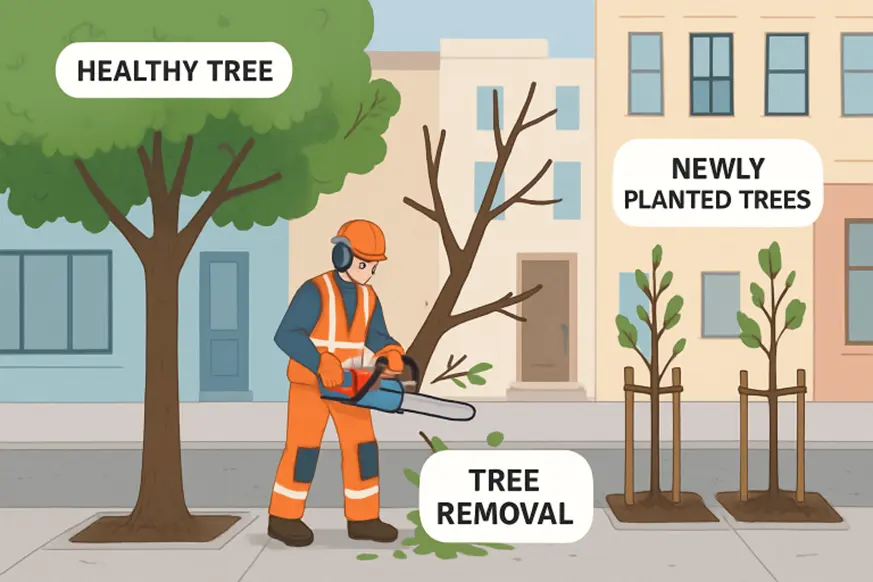
- Replanting with Native Species: Adding new trees after removals ensures ongoing canopy cover and habitat value. Native species require less water, are more resistant to local pests, and promote urban biodiversity.
Local organizations such as Forest ReLeaf of Missouri champion replanting efforts in St. Louis, engaging volunteers and the public to replace lost canopy and enrich urban forests.
Engaging Professional Services
Professional tree removal services ensure projects are completed quickly, efficiently, and safely. Hiring certified arborists or specialized companies safeguards public infrastructure and private property during complex removals.
Why Certification Matters
Professionals have the training to identify hidden risks, employ rigging and safety equipment properly, and prevent damage to surrounding buildings and vegetation. They also help with municipal permits and ensure waste is managed sustainably.
Mathias Precision Tree Service, for example, brings a wealth of experience and ethical practices to each job, setting a high standard for the industry in St. Louis.
Community Involvement and Education
Urban canopy management benefits greatly from informed and engaged residents. Educational initiatives, city events, and neighborhood planting days foster pride and care for local trees.
When residents understand both the rewards of keeping healthy trees and the necessity of selective removal and maintenance, they’re more likely to support preservation policies and invest in ongoing care.
Monitoring and Maintenance Post-Removal
Once a tree is removed, aftercare is essential for the landscape’s health. Property owners should monitor soil for settling or erosion, particularly on slopes or near water infrastructure. Scheduling regular inspections of remaining trees can help prevent future removals by catching structural or health issues early.
Initiatives like Treesilience encourage communities to nurture newly planted trees, promote best maintenance practices, and build urban forests that are resilient against climate, pest, and storm stressors.
Final Thoughts
Adopting safe, sustainable tree removal practices is vital to the environmental health and public safety of St. Louis, MO. By making informed choices about removal, adhering to regulations, using sustainable techniques, working with experts, and staying engaged in community efforts, residents can sustain and expand the city’s invaluable urban green spaces for decades to come.
Frequently Asked Questions
When is tree removal necessary?
Tree removal is required if a tree poses immediate safety risks, shows signs of irreversible disease, threatens public infrastructure, or is irreparably damaged.
Do I need a permit to remove a tree in St. Louis?
Permits are typically required to remove trees on public property or within certain municipal boundaries. Always check with local government offices before proceeding.
Can removed trees be recycled?
Yes. Removed trees can be mulched, processed for lumber, or otherwise repurposed to reduce environmental waste.
How can I contribute to urban reforestation?
Join local community planting events or support organizations like Forest ReLeaf of Missouri.
What are the advantages of working with a certified arborist?
Certified arborists bring specialized knowledge to assess, remove, and replace trees in ways that prioritize safety, compliance, and environmental stewardship.
Also Read
- Streamlining Hiring Success with Skillrobo Applicant Assessment for Better Hiring Outcomes
- The Future of SEO: Why AI Should Have Your Link to Cite You and Why You Should Buy Quality Backlinks.
- How to Choose the Best SEO Expert in India for Your Business Growth







Leave a Comment