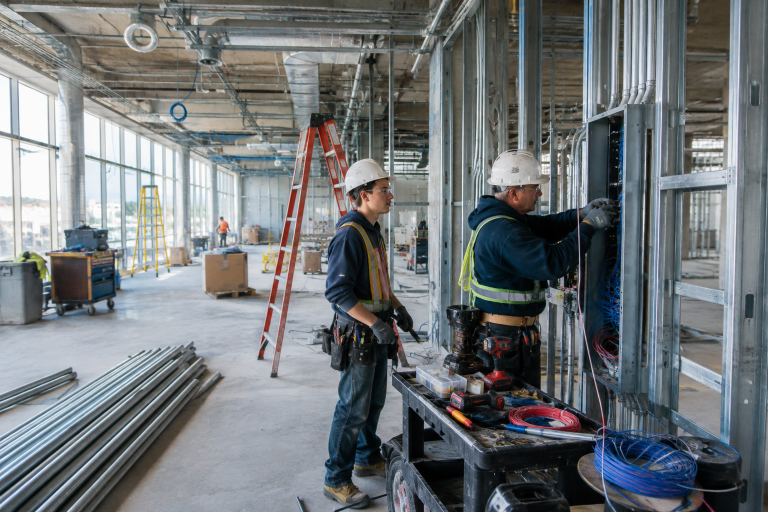

Key Takeaways
- New electrical workers can start through apprenticeships, technical training, or entry-level helper positions.
- Math, careful communication, practical problem-solving, and safe work habits matter from day one.
- Most electricians develop their skills through supervised field experience combined with classroom instruction.
- Licensing requirements vary by state and local jurisdiction, so local research is essential.
- Electrical careers can lead to roles in residential, commercial, industrial, energy, supervisory, and business sectors.
Electrical work offers a practical path for people who enjoy hands-on problem-solving, changing job sites, and learning technical skills that apply across many types of buildings and systems. A structured electrical program can be one way to combine technical instruction with job-ready training as you begin building experience.
There is no single route into the trade. Some people begin in a registered apprenticeship, while others attend technical school, take a helper role, or prepare through a pre-apprenticeship program. The right option depends on local opportunities, your schedule, your finances, and the licensing rules in the area where you intend to work.
Why Electrical Work Remains A Practical Career Choice
Electricians install, maintain, and repair power, lighting, communications, and control systems. Their work supports homes, offices, schools, factories, construction projects, and infrastructure. The job combines physical activity with planning, measurement, troubleshooting, and close attention to detail.
For people who prefer active, tangible work, the electrical trades can be a strong alternative to a desk-based routine. The U.S. Bureau of Labor Statistics lists 821,000 electrician jobs and projects employment growth from 2024 through 2034, reflecting the continuing need for installation, maintenance, and modernization work.
What Electricians Do During A Typical Workday
Daily duties depend on the specialty and job site. An electrician may read plans, measure and route conduit, pull wire, install devices, test circuits, diagnose equipment problems, document work, or coordinate with other trades. Work can take place indoors or outdoors, in finished buildings or active construction areas.
Common Areas Of Work
- Residential: Wiring new homes, upgrading panels, adding lighting, and completing service calls.
- Commercial: Installing systems in offices, stores, schools, and larger public buildings.
- Industrial: Working with motors, controls, machinery, and production equipment.
- Maintenance: Inspecting and repairing systems to keep facilities operating reliably.
Schedules may include early starts, travel between sites, overtime, or occasional evening and weekend work. Physical demands can include standing, climbing, lifting materials, and working in tight or elevated spaces.
Choose The Right Entry Path
- Registered apprenticeship: This path generally combines paid work, mentoring, related instruction, and progressive skill development. The federal career seeker apprenticeship resources explain how applicants can search for opportunities and apply through employers or program sponsors.
- Technical school: A program may cover electrical theory, wiring methods, tools, plans, and safety before you seek fieldwork.
- Helper or entry-level position: Working alongside experienced electricians can teach job-site routines, material handling, tool use, and professional expectations.
- Career-change preparation: Adults entering the trade may benefit from evening classes, short-term training, or pre-apprenticeship coursework before applying.
Skills To Build Before Applying
You do not need to know everything before starting, but a few foundational abilities can make the transition easier. Refresh basic arithmetic, fractions, measurements, and unit conversions. Practice reading instructions carefully, and become comfortable asking questions when something is unclear.
- Use hand tools carefully and follow instructions for safe operation.
- Read diagrams, labels, plans, and written procedures with patience.
- Approach problems logically instead of guessing.
- Communicate clearly with supervisors, coworkers, customers, and other trades.
- Show reliable attendance, punctuality, and a willingness to learn.
Safety Comes Before Speed
Electrical work requires disciplined safety habits. New workers should learn proper use of personal protective equipment, ladder safety, fall protection, lockout and tagout procedures, and basic job-site awareness. Never assume that a circuit is de-energized, a tool is appropriate for the task, or a shortcut is acceptable.
When a task, condition, or instruction is uncertain, stop and ask a qualified supervisor. Strong safety habits protect you, your coworkers, customers, and the quality of the finished work.
Education, Apprenticeship, And Licensing
Classroom learning and supervised field work reinforce each other. Instruction commonly covers electrical theory, math, blueprint reading, code concepts, wiring methods, first aid, and safe work practices. Field experience then gives those lessons practical context.
Licensing is not identical across the country. States and local jurisdictions may set different requirements for supervised hours, examinations, continuing education, permits, and the type of work a person may perform. Check with the relevant licensing board before selecting a program or accepting work that requires a credential.
How To Compare Training Options
- Confirm whether the program is recognized by the appropriate state, local, or industry authority.
- Ask how much supervised, hands-on work is included.
- Request clear information about tuition, wages, tools, books, transportation, and other costs.
- Review the safety curriculum and the program’s expectations for job-site conduct.
- Make sure the schedule and location are realistic for your situation.
- Ask current students, graduates, or employers about their experience.
Build A Strong First Application
Create a concise resume that highlights dependability, mechanical interests, construction exposure, customer service, maintenance work, school projects, military experience, or volunteer activities. Gather identification, education records, and any documents requested by the employer or sponsor before applying.
During interviews, be prepared to discuss attendance, teamwork, safety, transportation, and how you respond when you do not know an answer. Ask practical questions about training, pay progression, work hours, required tools, and advancement opportunities.
Common Mistakes To Avoid
- Choosing training only because it promises the fastest completion date.
- Waiting too long to research local licensing requirements.
- Buying expensive tools before confirming what an employer or program requires.
- Copying procedures without understanding their purpose or safety risks.
- Underestimating the importance of attitude, communication, and consistent attendance.
Career Options After The First Few Years
As skills grow, electricians may focus on residential service, commercial construction, industrial controls, maintenance, fire alarm systems, communications, low-voltage work, solar, battery storage, estimating, supervision, or project coordination. Some experienced workers eventually pursue contractor licensing and business ownership where local rules allow.
A Simple 90-Day Starting Plan
- Days 1 to 30: Research local requirements, review job postings, compare entry paths, and refresh basic math.
- Days 31 to 60: Prepare your resume, gather documents, apply to suitable programs or employers, and practice interviewing.
- Days 61 to 90: Begin training, establish a study routine, obtain only approved safety gear, and keep a list of questions for instructors or supervisors.
Conclusion
Starting a career in the electrical trades takes patience, practice, and a serious commitment to safety. By choosing a credible path, understanding local requirements, and showing up ready to learn, you can create a foundation for steady growth in 2026 and beyond.
Read more: https://grammerway.com/challenges-in-scaling-semiconductor-technologies-below-3nm/
https://grammerway.com/maximizing-returns-through-strategic-commercial-property-investment/
https://grammerway.com/transform-your-home-with-stylish-area-rugs-in-australia/

Leave a Comment