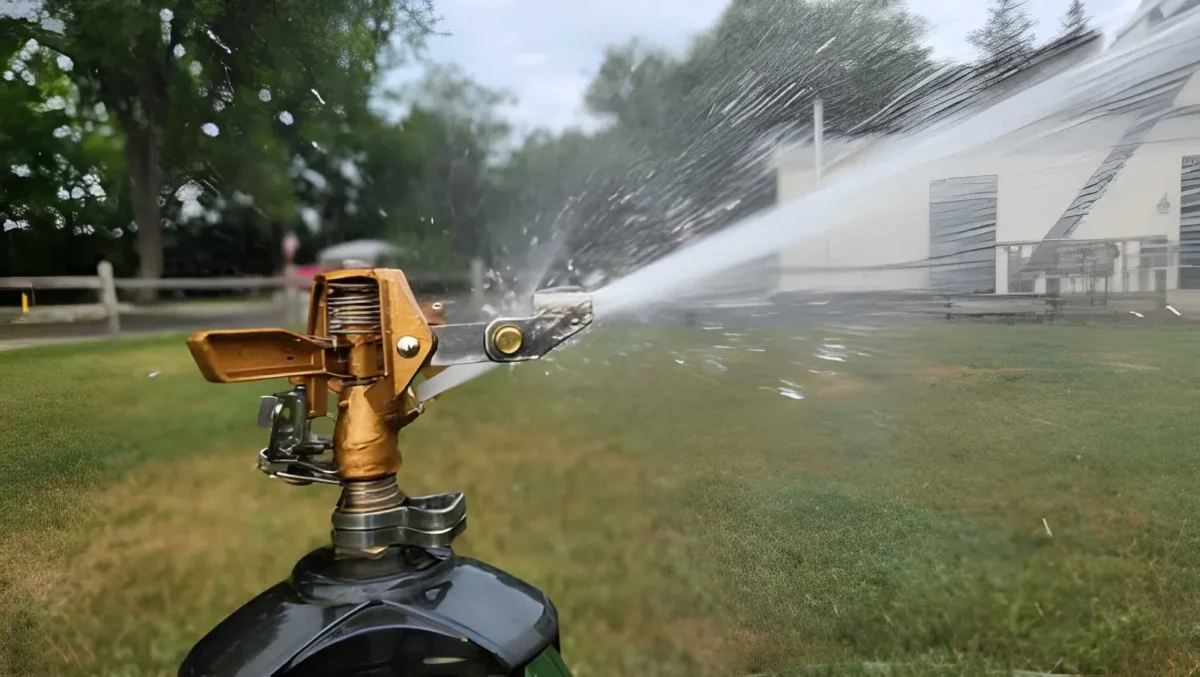

Fire sprinkler systems are designed to respond quickly during emergencies, helping reduce the spread of fire and improve building safety. However, once a sprinkler activates, even accidentally, the water released can quickly cause serious damage to walls, flooring, furniture, electronics, and inventory. Property managers and maintenance teams that use a fire sprinkler shut off tool often understand that fast action is essential to limiting damage and reducing recovery costs.
The fire may stop quickly.
The water damage can continue if the response is delayed.
1. Act Immediately After Activation
Time is the most important factor.
The longer water continues flowing, the greater the damage becomes.
Immediate Priorities:
- Identify the activated sprinkler area
- Assess safety risks
- Begin emergency response procedures
Why It Matters:
- Water spreads rapidly through floors and walls
- Delays increase repair and restoration costs
Quick action minimizes damage.
The Trade-Off
Responding quickly requires preparation and training, but it significantly reduces long-term impact.
2. Shut Off the Water Supply Safely
Stopping the water flow is critical.
Once it is safe to do so, shutting off the sprinkler system can prevent further flooding.
Important Considerations:
- Locate the sprinkler control valve
- Ensure there is no active fire before shutting off the system
- Use proper shut-off procedures and equipment
Impact:
- Limits additional water exposure
- Reduces structural and equipment damage
Control reduces escalation.
The Trade-Off
Improper shutdown procedures can create safety risks, so staff should understand emergency protocols.
3. Protect Electronics and Sensitive Equipment
Water and electronics do not mix.
Commercial buildings often contain computers, servers, machinery, and other sensitive equipment that can be permanently damaged by water.
Immediate Steps:
- Disconnect power if safe
- Move portable electronics away from water
- Protect equipment with waterproof barriers if possible
Why It Matters:
- Prevents electrical hazards
- Reduces replacement costs
Sensitive systems require fast protection.
The Trade-Off
Moving equipment takes time during emergencies, but it can prevent major financial losses.
4. Remove Standing Water Quickly
Water continues causing damage even after flow stops.
Standing water can seep into flooring, drywall, and structural materials within minutes.
Effective Actions:
- Use wet vacuums or pumps
- Remove soaked materials
- Increase airflow in affected areas
Benefits:
- Reduces moisture buildup
- Limits structural damage
Fast removal improves recovery.
The Trade-Off
Water extraction requires equipment and labor, but delays increase restoration complexity.
When dealing with extensive indoor flooding, handling the mitigation process alone can quickly become overwhelming. Relying on professional water extraction services in Vancouver helps secure specialized equipment designed to handle large volumes of standing water efficiently. This immediate mechanical intervention prevents deep saturation into structural components, making it far easier to stabilize your building and limit the scope of ultimate repairs.
5. Begin Drying and Ventilation Immediately
Moisture remains after visible water is gone.
Drying affected areas quickly is essential to preventing mold growth and long-term deterioration.
Drying Methods:
- Fans and air movers
- Dehumidifiers
- Open ventilation where appropriate
Impact:
- Reduces mold risk
- Helps preserve building materials
Drying prevents secondary damage.
The Trade-Off
Professional drying equipment may be necessary, but it improves restoration outcomes significantly.
6. Inspect Hidden Areas for Moisture
Damage is not always visible.
Water can spread behind walls, under flooring, and into ceilings without obvious signs.
Areas to Check:
- Wall cavities
- Ceiling panels
- Carpeting and subfloors
Why It Matters:
- Prevents hidden mold growth
- Identifies structural concerns early
Inspection improves long-term recovery.
The Trade-Off
Thorough inspections require time, but hidden moisture can cause larger problems later.
7. Document the Damage
Documentation supports recovery.
Taking photos and recording damage is important for insurance claims and restoration planning.
What to Record:
- Affected areas
- Damaged equipment or inventory
- Water source and extent of flooding
Benefits:
- Simplifies insurance processes
- Helps prioritize repairs
Accurate records improve response management.
The Trade-Off
Documentation may feel secondary during emergencies, but it becomes critical afterward.
8. Contact Restoration and Maintenance Professionals
Professional help speeds recovery.
Water damage restoration teams can assess the situation and prevent long-term complications.
Professional Services May Include:
- Water extraction
- Structural drying
- Mold prevention
- Damage assessment
Impact:
- Faster recovery
- Reduced long-term repair costs
Expert response improves outcomes.
The Trade-Off
Professional restoration involves cost, but it often prevents larger expenses later.
9. Review and Improve Emergency Preparedness
Every incident provides lessons.
After recovery, reviewing the response process can help improve future preparedness.
Important Questions:
- Was the response fast enough?
- Were shut-off tools accessible?
- Did staff know the procedures?
Benefits:
- Improved emergency readiness
- Reduced future risk
Preparation supports resilience.
The Trade-Off
Training and planning require ongoing effort, but they significantly improve future response times.
The Takeaway: Fast Response Is the Key to Minimizing Water Damage
After a sprinkler activation, every minute matters. While sprinkler systems are essential for fire protection, uncontrolled water can quickly create additional emergencies if not managed properly.
Minimizing damage depends on:
- Acting immediately
- Shutting off water safely
- Protecting electronics and equipment
- Removing standing water quickly
- Drying affected areas thoroughly
- Inspecting for hidden moisture
- Documenting the damage
- Working with restoration professionals
- Improving emergency preparedness
The goal is not just to stop the water.
It is to reduce the long-term impact on the property.
With proper planning, quick action, and the right tools, businesses and property managers can significantly reduce the damage caused by sprinkler system activations and recover more efficiently.
Also Read
- How Storytelling Helps Businesses Build Trust
- 2222 Angel Number Meaning: Unlocking Its Spiritual, Love, and Life Guidance
- Generative AI Transforming Finance Operations For Smarter Business Decisions







Leave a Comment