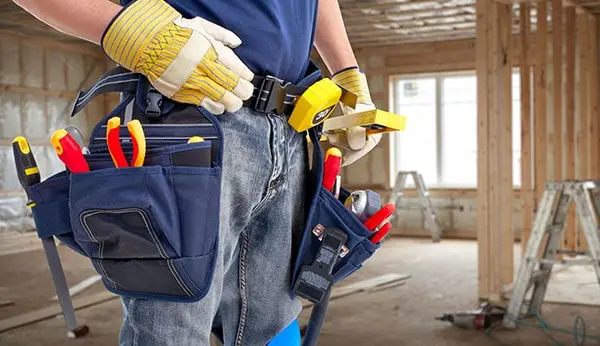

Knowing how to hire a handyman is a genuine skill, and it’s the difference between a tidy, finished job and a half-done one with a tradesperson who’s stopped answering the phone. The handyman trade has a reputation problem earned at the margins — the no-shows, the “mate of a mate” who quoted cash and vanished — but the trade itself is full of skilled, reliable people. The trick is telling them apart before you’ve handed over a deposit.
Screen for reliability before skill
Most people screen handymen on whether they can do the job. The better first filter is whether they’ll show up and finish it — because skill is common and reliability is rare. You can read reliability from small early signals long before any work starts:
- Response time to a non-urgent enquiry. Slow now means slower later.
- Willingness to quote in writing. Verbal-only quotes are where disputes live.
- Clarity about what’s included. Vagueness up front becomes scope creep on invoice day.
- A real, traceable identity — a business name, a presence, reviews you can actually find.
A tradesperson who handles a simple enquiry promptly, clearly and in writing is telling you exactly how the job will go. Believe them.
The quote is a document, not a number
The biggest source of handyman disputes is the gap between what the customer assumed and what the tradesperson assumed. A proper written quote closes that gap. It should specify the scope, what materials are included, what’s excluded, and what happens if the job turns out bigger than expected.
When comparing options, don’t just compare totals — compare what each total contains. A higher quote that includes materials, cleanup and a clear scope can easily be cheaper than a low quote that bills extras as it goes. A reputable handyman in Liverpool, or your local area, will put the scope in writing without being chased, because clear scope protects them as much as you.
Match the job to the trade
Handymen cover an enormous range, and part of hiring well is knowing where the edges are. General repairs, assembly, mounting, patching, minor carpentry and the long tail of odd jobs are core handyman territory. But work that’s licensed — electrical, plumbing, structural, gas — sits outside it, and a good handyman will say so and decline rather than have a go.
That honesty is a green flag, not an inconvenience. A handyman who knows the limits of their scope and refers you on for licensed work respects the line that keeps you safe and insured. The one who offers to “sort the wiring while I’m here” is the one to avoid.
Batch your jobs to save money
The most cost-effective way to use a handyman is to batch jobs rather than calling for each one. Most have a minimum call-out, so a single visit clearing ten small jobs is dramatically better value than ten visits clearing one each. Keep a running list of small tasks and hand the whole list over at once.
This also lets a good tradesperson plan — bringing the right materials and tools for the full scope rather than improvising. Better for them, cheaper for you.
Build the relationship, not just the transaction
Homeowners who never get burned are usually the ones who found a reliable operator early and stuck with them. A handyman who’s done good work before knows your home, shows up because the ongoing relationship matters, and is far more invested in finishing well than a one-off hire chasing the next job. Outfits built on exactly this — clear written quotes, honest scope, batched efficient visits — like TQN Handyman, are worth holding onto once you find them.
FAQ
What should I look for when hiring a handyman? Reliability first: fast responses, a written quote, clear scope, and a traceable business identity. Skill matters, but a skilled handyman who doesn’t show up or finish costs you more than a reliable mid-level one.
What can a handyman legally do? General repairs, assembly, mounting, patching and minor carpentry. Licensed work — electrical, plumbing, gas, structural — must go to a licensed trade; a good handyman declines it and refers you on.
How can I save money hiring a handyman? Batch jobs into one visit rather than calling repeatedly. Most handymen have a minimum call-out, so clearing a list of small tasks in a single booking is far better value.
Hire on reliability first, insist on a written scope, respect the licensed boundaries, and batch your jobs. Do that and the handyman trade’s reputation problem simply never becomes yours.
Also Read
- Innovative Technologies in Metalworking Equipment
- Enhancing Business Integrity through Comprehensive Audit & Assurance Services
- 2222 Angel Number Meaning: Unlocking Its Spiritual, Love, and Life Guidance







Leave a Comment