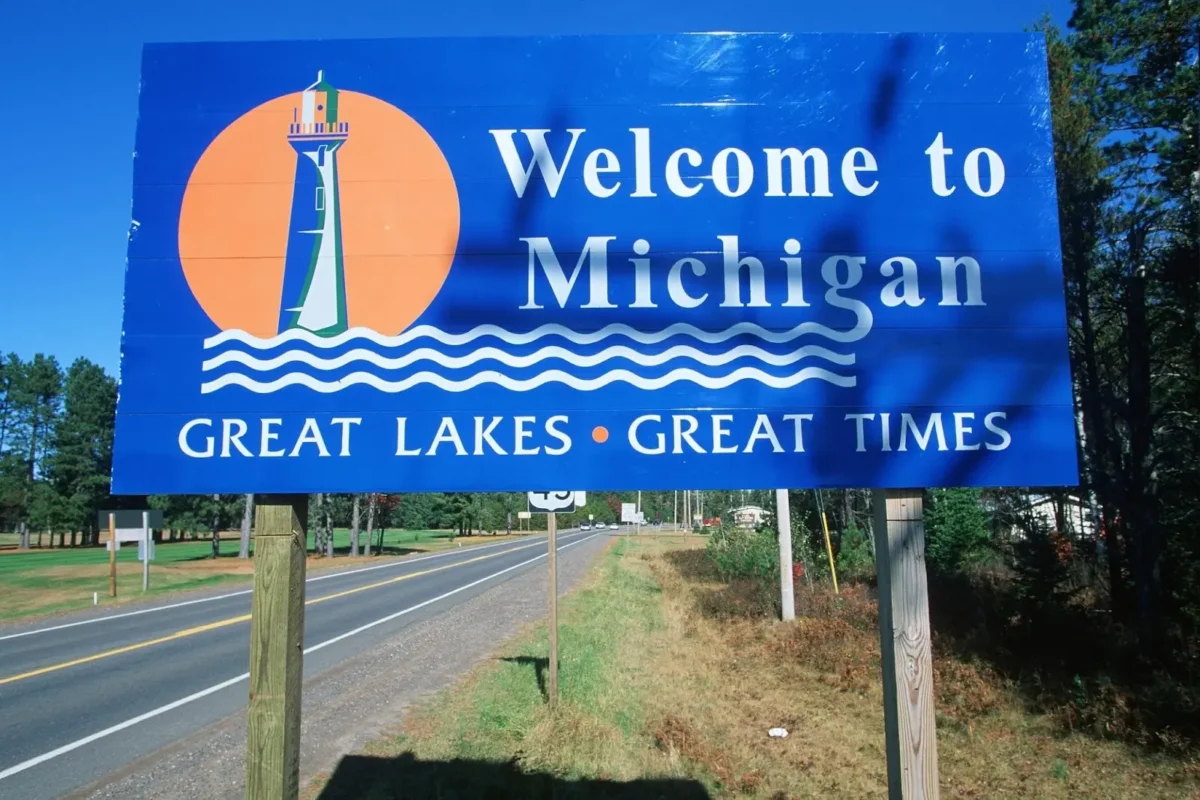

Michigan offers a distinctive grant landscape shaped by its industrial legacy, regional diversity, and strong network of community foundations. From Detroit’s revitalization efforts to rural development across the Upper Peninsula, the state provides a wide range of funding opportunities for nonprofits, small businesses, municipalities, and individuals. Understanding how to find grants in Michigan requires a practical, locally informed approach that reflects both statewide priorities and regional needs.
One of the defining features of Michigan’s funding environment is its strong emphasis on community-based impact. Many grants are distributed through regional and local foundations that prioritize neighborhood revitalization, workforce development, education, and public health. Community foundations play a major role across the state, often managing multiple grant programs that support local initiatives. This localized structure means that applicants who can clearly demonstrate community benefit—especially within a specific county or city—are more likely to succeed.
Michigan’s economy, historically rooted in manufacturing and the automotive industry, continues to influence grant funding priorities. Today, many grants support economic diversification, small business growth, skilled trades, and technology innovation. In addition, there is significant funding available for environmental restoration, particularly related to the Great Lakes, water infrastructure, and sustainability initiatives. Agriculture, rural development, and food access programs are also key funding areas, especially in less densely populated regions.
To begin the process of finding grants in Michigan, it is important to identify where opportunities are most commonly published. While national databases are helpful, many Michigan-specific grants are distributed through regional foundations, economic development organizations, and state programs. Using a comprehensive platform like The Grant Portal can help uncover both statewide and local opportunities, including those that may not be widely promoted. These tools allow users to filter grants by eligibility, funding category, and geographic focus, making it easier to find relevant matches.
In addition to private foundations, the State of Michigan offers a variety of grant programs through its agencies. These grants often focus on infrastructure, housing, education, workforce training, and environmental initiatives. State-funded opportunities may involve more complex application processes, including detailed reporting and compliance requirements, but they also tend to offer larger award amounts. Monitoring state agency announcements and funding cycles is essential for staying competitive.
Local governments and economic development agencies also provide grant opportunities throughout Michigan. Cities such as Detroit, Grand Rapids, and Lansing frequently offer funding for small business support, downtown revitalization, and community-based projects. These programs are often designed to stimulate local economies and improve quality of life, making them especially valuable for organizations and entrepreneurs working at the community level.
Eligibility requirements for Michigan grants can vary widely depending on the funding source. Grants for nonprofits are typically required to maintain 501(c)(3) status, while small businesses may need to meet criteria related to size, location, and industry focus. Many Michigan grants prioritize applicants that serve low-to-moderate income populations or operate in economically distressed areas. Individuals seeking grants—particularly in education, research, or the arts—must demonstrate both need and the ability to successfully complete their proposed project.
When applying for grants in Michigan, a practical and results-oriented approach is essential. Funders often look for clear, achievable goals supported by realistic budgets and measurable outcomes. Applications that include partnerships with local organizations, community engagement, and a plan for sustainability tend to be more competitive. Given Michigan’s strong focus on regional impact, demonstrating how a project will benefit a specific community or population is especially important.
Timing is another critical factor. Many Michigan grants operate on annual cycles tied to foundation funding schedules or state budgets. Missing an application window can delay funding opportunities for months or even a full year. Creating a structured grant calendar and preparing materials in advance can help ensure timely submissions and improve overall success rates.
Relationship-building is particularly valuable in Michigan’s grant ecosystem. Because many funding decisions are made at the community level, establishing connections with local foundations, community leaders, and economic development organizations can provide valuable insights into funding priorities. Attending local events, informational sessions, and grant workshops can help applicants better understand expectations and position themselves more effectively.
Diversification is also key to long-term funding success. Rather than relying on a single grant source, applicants should pursue a mix of local foundation grants, state funding, and corporate opportunities. This balanced approach helps reduce risk and creates a more stable financial foundation for ongoing projects and initiatives.
In conclusion, finding grants in Michigan requires a community-focused and strategic approach. By leveraging regional funding networks, utilizing comprehensive grant databases, staying informed about state and local opportunities, and submitting well-prepared applications, nonprofits, businesses, and individuals can successfully access funding across the state. With its strong emphasis on local impact and economic development, Michigan offers meaningful opportunities to secure grants and support initiatives that strengthen communities and drive long-term growth.
Also Read
- Liability Insurance Essentials for Growing Businesses
- Ligma Meaning — The Full Story Behind the Meme, Its Origins, and Why It Still Works
- 20 Other Ways to Say “Going the Extra Mile” (With Examples)







Leave a Comment