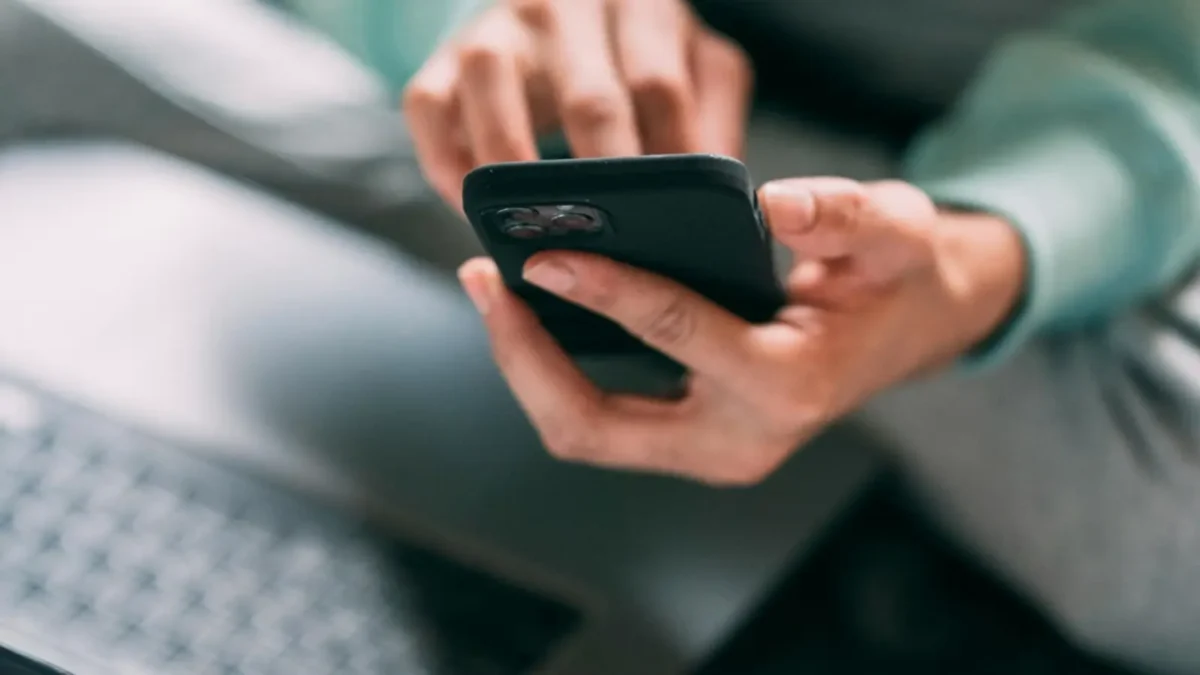

Smartphones have become part of nearly every moment of modern life. They help people work, communicate, navigate, shop, learn, relax, and stay connected to the people they care about. For many, the phone is no longer just a device. It is a calendar, camera, wallet, alarm clock, entertainment center, and communication hub.
Because phones are so useful, the goal is not necessarily to eliminate them. A healthier approach is to use them more consciously. That means paying attention to how often we reach for them, how they shape our focus, how they affect our surroundings, and how we can build habits that feel more balanced.
A healthier relationship with your smartphone starts with awareness. From screen time boundaries to subtle energy support, small daily changes can help you create a calmer and more intentional digital routine.
Start by Understanding Your Current Phone Habits
Before changing your phone habits, it helps to understand them. Many people underestimate how often they check their phone throughout the day. A quick look at a notification can turn into several minutes of scrolling, replying, browsing, or switching between apps.
Start by asking a few simple questions:
- How often do you check your phone without a clear reason?
- Do you reach for it first thing in the morning?
- Do you use it during meals, conversations, or moments of rest?
- Does your phone help you feel organized, or does it make you feel more distracted?
Most smartphones include built-in screen time reports. These can show which apps take the most attention and when usage tends to increase. The purpose is not to create guilt. It is to create clarity.
Once you know your patterns, it becomes easier to make intentional changes.
Create Phone-Free Moments During the Day
One of the simplest ways to build a healthier relationship with your smartphone is to create moments where it is not part of the environment.
This can be as simple as keeping your phone away during breakfast, placing it in another room during focused work, or leaving it outside the bedroom at night. These small boundaries help your mind experience more space.
Phone-free moments are especially useful during:
- Meals
- Deep work sessions
- Conversations
- Meditation or prayer
- Exercise
- Time outdoors
The goal is not perfection. Even 20 to 30 minutes of intentional separation can help you notice how often your attention is pulled toward the device.
Rethink Your Morning and Evening Phone Routine
The way you use your phone at the beginning and end of the day can shape your mood, focus, and energy.
Many people begin the day by checking messages, email, social media, or news. This can immediately place the mind into reaction mode. Instead of starting with your own priorities, your attention moves toward other people’s updates, requests, opinions, and problems.
A healthier morning routine might include:
- Drinking water before checking your phone
- Taking a few minutes to stretch or breathe
- Writing down your top priorities
- Waiting 20 minutes before opening social media or email
Your evening routine matters too. Using your phone late at night can make it harder to mentally disconnect from the day. Consider setting a digital sunset, a specific time when you stop scrolling, replying, or consuming stimulating content.
Even if you still use your phone as an alarm, placing it away from your bed can reduce the habit of checking it late at night or first thing in the morning.
Be More Intentional With Notifications
Notifications are designed to interrupt. Some are useful, but many create unnecessary urgency.
A healthier phone setup starts with reducing the number of alerts competing for your attention. Turn off notifications from apps that do not need immediate responses. Keep only the ones that truly matter, such as calls from family, calendar reminders, work-critical messages, or security alerts.
You can also use focus modes to create different phone settings for work, rest, exercise, sleep, or family time. This allows your phone to support your day instead of controlling it.
A calmer phone is easier to use intentionally.
Think About Your Digital Environment, Not Just Screen Time
A healthier relationship with your smartphone is not only about how long you use it. It is also about how the device fits into your personal environment.
Many wellness-focused people are becoming more aware of the energetic quality of their surroundings. This includes lighting, sound, clutter, air quality, and the constant presence of wireless technology. Phones are part of that environment because they are usually close to the body and used throughout the day.
For this reason, some people explore tools and services related to EMF protection for phone as part of a broader effort to create a more balanced digital lifestyle.
This does not mean relying on one solution alone. A thoughtful approach may include practical habits such as using speaker mode when appropriate, taking breaks from the device, avoiding unnecessary overnight phone proximity, and being more conscious about where the phone is placed during rest or work.
Quantum Upgrade is one brand in this space that focuses on remote quantum energy fields for people, spaces, cars, businesses, and devices. For users already interested in frequency-based wellness and energetic alignment, this type of service can fit naturally into a larger lifestyle routine.
Use Your Phone as a Tool, Not a Default Escape
Smartphones can be helpful tools, but they can also become automatic escape routes from boredom, silence, discomfort, or waiting.
A healthier relationship starts when you use the phone with intention. Before unlocking it, ask yourself: “What am I using this for right now?”
That simple question can change the pattern. Sometimes the answer is clear and useful. You may need to reply to a message, check directions, make a payment, or capture an idea. Other times, the phone is simply filling empty space.
Try allowing small moments of stillness to exist. Waiting in line, walking to the car, sitting in a café, or taking a short break does not always need to become screen time. These quiet moments give the mind time to reset.
Make Your Phone Support Your Wellness Goals
Your phone does not have to work against your well-being. With the right setup, it can support healthier routines.
You can use your phone to:
- Track meditation or breathwork
- Listen to calming music
- Follow a workout plan
- Set reminders to drink water
- Schedule screen breaks
- Organize your day
- Practice gratitude journaling
- Save inspirational or educational content
The key is to make the phone serve your priorities. Remove apps that drain your attention. Rearrange your home screen so the most useful tools are easy to access and the most distracting apps are less visible.
A phone that is intentionally organized can feel very different from one that is overloaded with apps, alerts, and constant stimulation.
Build a Routine That Feels Realistic
The healthiest phone habits are the ones you can actually maintain.
You do not need to delete every app, stop using social media, or follow an extreme digital detox. For most people, a realistic approach works better. Start with one or two changes and build from there.
For example:
- Keep your phone out of the bedroom for one week.
- Turn off nonessential notifications.
- Take a 10-minute phone-free walk each day.
- Avoid checking your phone during meals.
- Create a one-hour screen-free window before sleep.
Small changes are easier to repeat. Over time, they create a more stable and conscious relationship with technology.
Conclusion
Creating a healthier relationship with your smartphone is not about rejecting modern technology. It is about using it with more awareness, clearer boundaries, and a stronger sense of personal control.
Your phone can be a powerful tool, but it should not constantly pull your attention away from your body, your surroundings, your relationships, or your inner calm. By adjusting your habits, reducing unnecessary stimulation, and thinking more carefully about your digital environment, you can make your smartphone feel less like a source of distraction and more like a supportive part of daily life.
The best approach is balanced, practical, and personal. Start with small changes, observe how they affect your day, and continue building a digital routine that feels healthier, calmer, and more aligned with the way you want to live.
Also Read
- Innovative Technologies in Metalworking Equipment
- 5 Reasons SMS Works Better For Business Communication
- A Guide to Playing & Streaming Video Games on Bigo Live







Leave a Comment