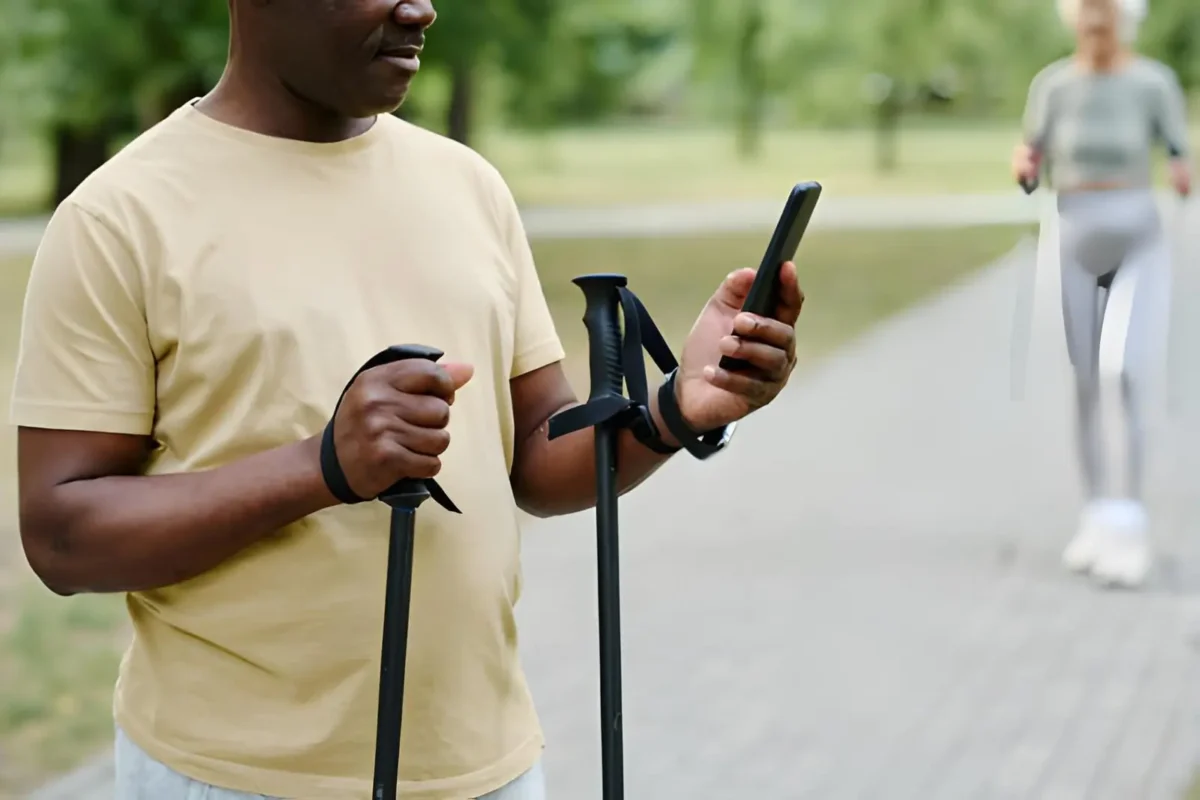

Walking is one of the most accessible and effective ways to maintain overall health, yet many people find themselves walking less as they grow older. This decline in activity is rarely due to a lack of desire. Instead, it is often tied to joint discomfort or a subtle fear of losing balance. The Centers for Disease Control and Prevention reports that over one in four older adults in the United States experience a fall each year. This reality creates a recognized psychological barrier known as post-fall anxiety syndrome. People begin to restrict their daily activities, which ironically weakens their muscles and increases their future risk of injury. However, the modern approach to active aging focuses on empowerment through the right tools, allowing older adults to reclaim their independence and step outside with confidence.
Overcoming the Stigma of Mobility Aids
For decades, mobility devices were designed with a purely clinical aesthetic. They looked like medical equipment, which unfortunately created a strong social stigma. Research from University College London and the London School of Hygiene and Tropical Medicine found that women are 49 percent more likely than men to transition into needing mobility support, yet they are 21 percent less likely to actually use it. High abandonment rates for these devices are strongly correlated with this negative perception, as many individuals associate traditional canes with physical decline and frailty rather than empowerment.
Thankfully, industrial designers are now mainstreaming the look of walking gear. By treating these items as premium consumer goods rather than hospital tools, brands are helping people maintain their independence with style. Choosing a beautifully designed carbon fibre walking stick allows individuals to view their support gear as a functional accessory. When your equipment looks good and feels comfortable, you are far more likely to use it consistently and proudly. The shift from clinical to contemporary means users no longer have to sacrifice their personal aesthetics for physical support.
The Physical Advantages of Walking Daily
Staying active outdoors is not just about keeping the heart healthy. It is also vital for cognitive function and psychological well-being. Finding low-impact ways to move is a recurring theme for anyone looking to optimize their daily routines, which is a topic we frequently explore in our broader lifestyle guides. A consistent walking routine, supported by the right gear, provides immense physical benefits that compound over time. Even a brief daily stroll can improve circulation, elevate mood, and boost energy levels.
It might seem counterintuitive to walk when you have stiff knees, but movement is actually the solution. According to Harvard Health Publishing, walking five to six miles a week can prevent arthritis from forming and protects susceptible joints by lubricating them. The motion of walking builds up the muscles that support your hips and knees. When you use a supportive walking aid, you can achieve this necessary movement safely. A well-designed aid reduces the immediate strain on your lower body while allowing you to reap all the cardiovascular rewards of sustained physical activity.
Why Materials Matter for Your Gear
If you have decided to incorporate a mobility aid into your routine, selecting the right material is crucial for long-term comfort. Standard devices have historically been made of wood or aluminum, but aerospace-grade materials have completely changed the landscape of consumer mobility. The structural integrity of your cane dictates how much pressure is relieved from your joints during an extended walk.
Here is a breakdown of why modern materials are superior for everyday walkers:
- Exceptional Lightness: An average carbon fiber model weighs under eight ounces. In contrast, standard aluminum options typically weigh between 17 and 20 ounces, which can cause arm fatigue during longer walks.
- Natural Vibration Dampening: Advanced composites actively reduce shock transfer. This means less repetitive strain on your wrists, arms, and shoulders every time the cane strikes the pavement.
- Immediate Support: Unlike aluminum, which has a flexible give and can bend under lateral pressure, carbon fiber is highly rigid. It delivers unyielding, secure support the exact moment it makes contact with the ground.
- Weather Resistance: Unlike wood, which can warp or crack when exposed to moisture, synthetic composites maintain their shape and strength regardless of rain or humidity.
Embracing Active Aging
The decision to use lightweight mobility gear is a proactive step toward a healthier, more vibrant life. The annual medical cost for fall-related injuries among older adults exceeds 50 billion dollars in the United States alone. Investing in a properly fitted, visually appealing walking aid is a simple, cost-effective way to protect your physical and financial well-being. It is a commitment to longevity and personal freedom.
By upgrading to modern, lightweight equipment, you no longer have to choose between safety and style. You can step outside with renewed confidence, knowing you have the support you need to keep moving, exploring, and enjoying your daily walks to the fullest. True mobility is about moving through the world on your own terms, and the right gear makes that completely possible.
Also Read
- Innovative Technologies in Metalworking Equipment
- The Professional Caregiving Solutions are Designed to Improve Quality of Life
- Sales Prospecting Terms Every Business Person Should Know







Leave a Comment