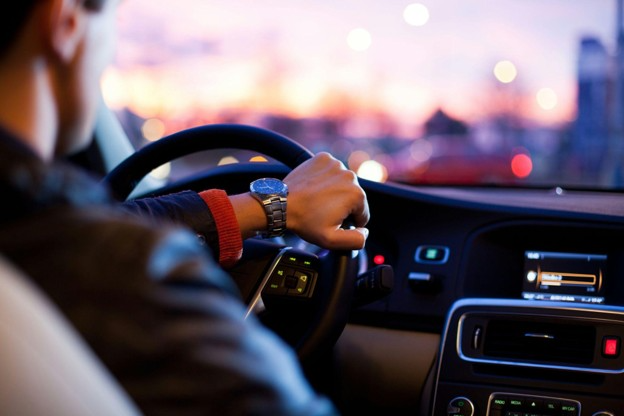

Photo by why kei on Unsplash
Driving today looks very different from what it did just ten years ago. While the basic act of getting behind the wheel remains the same, nearly every part of the driving experience has evolved. Navigation has become smarter, vehicles are filled with advanced safety technology, and smartphones have changed how drivers plan routes, listen to music, and stay connected throughout the day.
These developments have made driving more convenient in many ways, but they have also introduced new habits and new challenges. From digital dashboards to changing consumer expectations, everyday driving continues to reflect broader changes in technology and lifestyle.
Technology Has Changed the Way Drivers Prepare for a Journey
Planning a trip no longer means unfolding a paper map or memorizing directions before leaving home. Most drivers now rely on navigation apps that provide live traffic updates, estimated arrival times, road closures, and alternative routes in real time.
Whether someone is buying replacement tires for a long road trip or comparing CBD gummies, most purchases now begin with reading product information rather than speaking to a salesperson. That shift reflects how digital shopping has changed consumer expectations across almost every industry.
This growing expectation for accessible information reflects a broader shift in consumer behavior that extends well beyond the automotive world.
Vehicles Have Become Smarter and Safer
Modern vehicles include features that were once reserved for luxury models. Adaptive cruise control, automatic emergency braking, blind-spot monitoring, lane-keeping assistance, and parking sensors have become increasingly common across many price ranges.
While these technologies do not replace responsible driving, they can reduce driver workload and help prevent certain types of accidents. Cameras and sensors continuously monitor the vehicle’s surroundings, providing warnings that would have been impossible only a decade ago.
As these systems continue to improve, drivers are becoming more accustomed to receiving real-time assistance instead of relying entirely on their own observations.
Smartphones Have Become Part of Every Trip
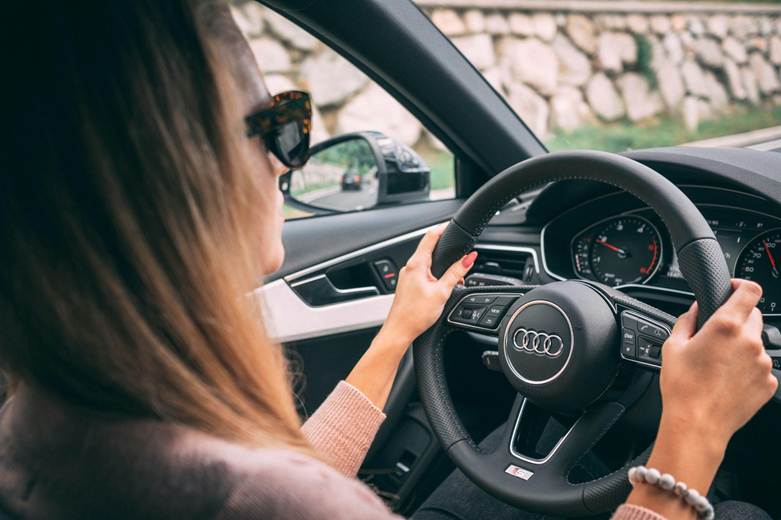
Photo by Andraz Lazic on Unsplash
Few devices have influenced driving as much as the smartphone. Beyond navigation, phones now control music playlists, manage hands-free calls, display parking information, locate charging stations for electric vehicles, and even unlock certain cars.
At the same time, smartphones have created new distractions. Notifications, messages, and social media can divert attention away from the road if drivers fail to use hands-free features responsibly. Many countries have responded by introducing stricter laws regarding mobile phone use while driving.
Finding the right balance between convenience and safety has become one of the defining challenges of modern driving.
Drivers Expect More Than Transportation
Cars are no longer viewed solely as a way to travel from one place to another. Comfort, connectivity, and convenience have become major priorities for buyers.
Many drivers now look for quiet cabins, smartphone integration, wireless charging, customizable digital displays, and advanced climate control alongside traditional considerations such as fuel economy and reliability. Even software updates have become part of vehicle ownership, with some manufacturers adding new features long after the car has been purchased.
These changing expectations demonstrate how technology has transformed the relationship people have with their vehicles.
The Future Will Continue to Transform Everyday Driving
The pace of innovation shows little sign of slowing. Electric vehicles are becoming more common, driver-assistance systems continue to improve, and connected infrastructure may eventually allow vehicles to communicate with traffic signals, road networks, and one another.
Artificial intelligence is also expected to play a greater role by optimizing navigation, predicting maintenance needs, and personalizing in-car experiences. Although fully autonomous vehicles are still developing, many of the technologies that support them are already appearing in everyday cars.
Ultimately, the biggest changes in driving over the last decade have not been about speed, they have been about information, convenience, and smarter technology. As vehicles continue to evolve, everyday driving will likely become even more connected, efficient, and tailored to the needs of individual drivers.
Driving Habits Have Become More Environmentally Conscious
The past decade has also brought a noticeable shift in how people think about fuel consumption and the environmental impact of driving. Rising fuel prices, greater awareness of emissions, and improvements in vehicle technology have encouraged many drivers to adopt more efficient habits. Simple changes such as maintaining steady speeds, reducing unnecessary idling, and keeping tires properly inflated can improve fuel efficiency without requiring a new vehicle.
Manufacturers have responded by introducing hybrid and electric models alongside more efficient gasoline engines, giving consumers a wider range of choices than ever before. At the same time, navigation apps help drivers avoid traffic congestion and select more efficient routes, reducing both travel time and fuel consumption. These developments show that everyday driving is no longer focused solely on reaching a destination, it is increasingly about doing so more efficiently, economically, and responsibly.
Read more: Common Grammar Mistakes in Sports Writing and How to Avoid Them
Why Precision Matters: Lessons from Floor Renovation and Effective Communication
Essential Vehicle Upgrades for a Comfortable and Sun-Safe Family Road Trip

Leave a Comment