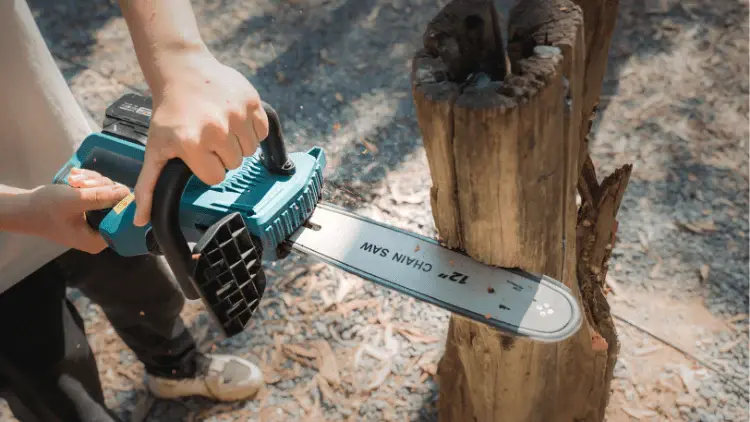

Property maintenance has changed a lot over the last decade. Homeowners today are not only focused on cutting performance but also on how easily they can move around the property while working. That is exactly where the cordless chainsaw has become a practical solution. A cordless chainsaw allows users to move freely without dealing with cords, fuel mixing, or engine startup delays, which makes everyday yard work faster and more flexible. For homeowners looking for reliable cutting tools, modern options like a cordless chainsaw support smooth movement across different areas of a property without interruption, which is a major advantage in residential maintenance work.
Understanding Mobility in Real Property Maintenance Work
Mobility in yard maintenance is not just about walking around with a tool, it is about how easily you can transition between tasks, positions, and cutting zones. Most residential work involves moving between front and backyard areas, navigating tight landscaping sections, handling overhead pruning, and cleaning scattered debris after storms. Traditional gas chainsaws often slow this process due to weight, startup time, and fuel dependency, while cordless systems allow continuous movement without stopping to reset or refuel.
Why Cordless Chainsaws Are Built for Movement
Cordless chainsaws are designed to remove physical and operational barriers that restrict movement. Without cords, users are not tied to a fixed distance, and without fuel systems, there is no need to pause for preparation. This creates a smoother workflow where users can move naturally across different parts of the yard. Reduced weight also plays a major role because it allows easier lifting, repositioning, and handling during extended cutting sessions, especially when working around trees, fences, or elevated branches.
Cordless Chainsaw vs Gas Chainsaw: Real-World Comparison
Cordless chainsaws and gas chainsaws both serve important roles, but they are built for different working styles. Cordless models are ideal for residential environments where mobility, ease of use, and quick task switching matter most. They are lighter, quieter, and require less maintenance, making them suitable for frequent small to medium tasks. Gas chainsaws, on the other hand, provide higher sustained power and are better suited for heavy-duty cutting or large logs, but they limit mobility due to weight and maintenance requirements. For most homeowners, cordless systems offer a more balanced and flexible experience.
How Cordless Chainsaws Improve Daily Workflow
One of the biggest advantages of cordless chainsaws is how they improve workflow efficiency across a property. Instead of stopping to refuel or untangle cords, users can move continuously from one task to another. For example, trimming branches near the driveway, then shifting to backyard cleanup, and finishing fence-line pruning can all be done in one smooth sequence. This reduces downtime, improves task completion speed, and makes yard maintenance feel less physically demanding overall.
Choosing the Right Cordless Chainsaw for Your Property
Selecting the right cordless chainsaw depends on the size of the property and the type of work required. Smaller models are ideal for light pruning and occasional trimming in compact yards. Mid-range models provide a balance of power and battery life for regular maintenance tasks. Larger or higher-voltage models are better suited for thicker branches and more demanding residential cleanup jobs. Choosing the right category ensures better performance and avoids unnecessary strain on the tool or user.
Key Features That Enhance Mobility
Several features directly influence how mobile a cordless chainsaw feels during use. Lightweight construction reduces fatigue during long sessions, while brushless motors improve efficiency and reduce heat buildup. Compact battery designs make handling easier in tight spaces, and tool-free chain adjustment systems allow quick changes without interrupting workflow. These features work together to support smoother movement across different areas of a property.
Best Practices for Efficient Mobile Cutting
Efficient mobility depends not only on the tool but also on how it is used. Planning the cutting route before starting helps avoid unnecessary backtracking. Keeping batteries fully charged before beginning work reduces interruptions. Using proper grip and stance improves control during movement between cutting positions. Clearing pathways before starting also helps maintain steady movement across the property without obstacles slowing progress.
Common Mistakes That Reduce Mobility Efficiency
One common mistake is carrying unnecessary equipment while moving across the yard, which adds weight and slows down work. Another issue is poor task planning, which causes repeated movement between the same areas. Many users also start work with partially charged batteries, leading to unexpected stops that disrupt workflow. Avoiding these mistakes helps maintain the full mobility advantage of cordless systems.
Practical Tips to Improve Performance and Movement
Rotating batteries during longer tasks helps maintain continuous operation without downtime. Keeping spare batteries accessible reduces waiting time between cuts. Regular chain maintenance improves cutting efficiency, which reduces time spent per task and supports smoother movement. Cleaning debris from the bar and chain after each use also helps maintain long-term performance and consistency.
Are Cordless Chainsaws Strong Enough for Property Maintenance?
Modern cordless chainsaws are designed specifically for residential use and are capable of handling most yard maintenance tasks, including pruning, trimming, and cutting medium branches. While they are not intended for heavy commercial logging, they provide more than enough power for typical home environments where mobility and convenience are more important than extreme cutting force.
Conclusion: Mobility Is the Real Advantage
The cordless chainsaw has become an essential tool for homeowners who value flexibility and ease of movement in yard maintenance. By removing cords, reducing weight, and eliminating fuel dependency, it allows users to move freely across their property and complete tasks more efficiently. In residential environments where quick transitions and accessibility matter, cordless systems offer a clear advantage that improves both workflow and overall maintenance experience.
FAQ
1. Can a cordless chainsaw handle regular yard maintenance?
Yes, most cordless chainsaws are designed for pruning, trimming, and medium branch cutting in residential environments.
2. How long does the battery last during use?
Battery life depends on usage and model, but most are capable of handling typical yard tasks on a single charge.
3. Are cordless chainsaws powerful enough for thick branches?
They can handle medium branches effectively, while very thick logs may require higher-voltage models or multiple passes.
4. Do cordless chainsaws require heavy maintenance?
No, maintenance is minimal and usually includes chain sharpening, cleaning, and proper battery care.
5. What makes cordless chainsaws better for mobility?
They remove cords, reduce weight, and eliminate fuel dependency, allowing users to move freely across different areas of a property.
Also Read-Liability Insurance Essentials for Growing Businesses



Leave a Comment