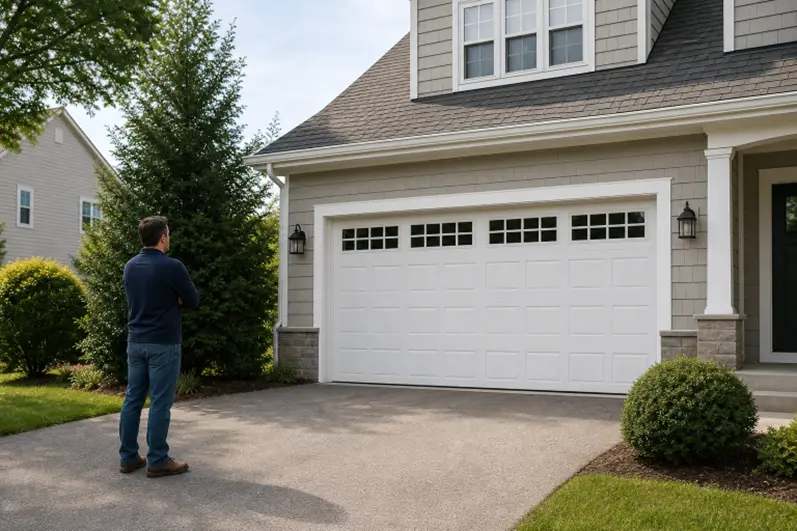

A garage door is easy to overlook until it becomes noisy, sticks halfway, or refuses to close. Consistent garage door maintenance gives homeowners a practical way to spot small issues early while keeping one of the home’s largest moving systems operating more smoothly.
You do not need to spend hours on the job or take the entire door apart. A simple routine of listening, looking, cleaning, testing, and knowing when to call a technician can improve daily convenience while reducing avoidable safety risks.
Why Garage Door Maintenance Matters
Your garage door relies on connected parts that must move together, including rollers, hinges, tracks, springs, cables, and the opener. When one part begins to drag or loosen, the rest of the system can work harder. For example, a rattling roller may seem minor at first, but it can eventually contribute to uneven travel and extra strain on the opener.
Routine attention supports quieter operation, smoother movement, dependable access, and better security. It can also be less costly than waiting for a failure. Current estimates for professional tune-ups commonly range from $100 to $400, depending on the work and condition of the door, so regular maintenance can help prevent expensive repairs before worn parts cause a larger problem.
The 15-Minute Monthly Check
Set aside a few minutes once a month for a full opening and closing cycle. Keep children, pets, vehicles, and stored items away from the door while checking it.
- Stand outside and listen for scraping, grinding, popping, or unusually loud rattling.
- Look for frayed cables, loose fasteners, cracked rollers, bent track sections, or visible rust.
- Watch whether both sides of the door rise and lower evenly.
- Confirm that the bottom edge closes fully against the floor.
- Test the wall control, remote, and exterior keypad.
- Clear boxes, bicycles, tools, and debris from the door’s travel path.
Unusual sounds are useful clues, not a normal part of ownership. A new noise is worth investigating while the door still operates predictably.
Cleaning and Lubricating Moving Parts
Clean the Tracks Carefully
Use a dry cloth or soft brush to remove loose dust and debris from inside the tracks. Tracks guide the rollers, so they generally should remain clean rather than heavily greased. Do not force tracks back into shape, loosen mounting brackets, or reposition them during basic cleaning.
Lubricate the Right Areas
Apply a light coating of garage-door lubricant or a product recommended by the door or opener manufacturer to the hinges, roller bearings, and pivot points. Wipe off excess product afterward. Heavy grease can trap grit, which may increase wear rather than reduce it.
How to Check Door Balance
A balanced door should not feel excessively heavy because its spring system carries much of the weight. Start with the door fully closed, disengage the opener using the emergency release handle, and lift the door manually to about waist height. Release it carefully while standing clear of its path.
The door should stay close to that position. If it drops, rises, feels unusually heavy, or will not remain in place, reconnect the opener and schedule service. Do not attempt to adjust springs yourself.
Testing Sensors and Auto-Reverse Features
Photo-Eye Sensor Test
Place an object in the sensor’s path near the floor, then start a closing cycle. The door should stop and reverse before contacting the object. Clean the photo-eye lenses and make sure both units face each other directly if the system does not respond.
Auto-Reverse Test
Place a solid, stable object beneath the center of the door and close it with the opener. The door should reverse after touching the object. The automatic reversing feature is an important entrapment safeguard, so stop using the opener and arrange service if the test fails.
Seasonal Maintenance Tasks
- Spring: Wash away winter grime and road salt, inspect weather seals for cracks, and test the opener after cold weather.
- Summer: Watch for storm debris, moisture, and changes in alignment after high winds or heavy rain.
- Fall: Clear leaves and grit from the threshold, inspect the bottom seal, and replace weak remote or keypad batteries.
- Winter: Never force a door frozen to the floor. Remove the ice gently and listen for any added strain as the opener begins to move.
Warning Signs That Need Attention
Call for an inspection when you notice grinding, jerky movement, slow travel, a crooked door, unexplained reversing, or severe rattling. Visible cable fraying is especially urgent because cables should never be pulled, cut, or handled while under tension.
What Homeowners Should Not Repair
Leave torsion and extension spring adjustments, cable replacement, track straightening, and bracket repairs to trained technicians. Never bypass sensors or auto-reverse functions, work beneath an unsupported door, or continue operating a door that leans, falls, or makes severe mechanical noises.
What to Expect During a Professional Inspection
A professional visit typically includes a visual inspection of panels, rollers, tracks, hinges, springs, cables, and brackets. The technician may also check door balance, opener travel, remotes, controls, sensors, and safety reversal operation before discussing repair options.
Before approving work, ask what caused the problem, whether it is urgent, whether repair or replacement is appropriate, what the estimate includes, and what maintenance should be scheduled next. Clear answers help you prioritize safety-related work without guessing.
A Simple Routine Protects the Whole System
Garage door care does not need to take all day. A monthly sound check, a clean track, light lubrication, seasonal inspection, and a working safety system can prevent many common issues. Handle low-risk home upkeep, pay attention to early warning signs, and leave high-tension repairs to qualified professionals.
Also Read-Innovative Technologies in Metalworking Equipment





Leave a Comment