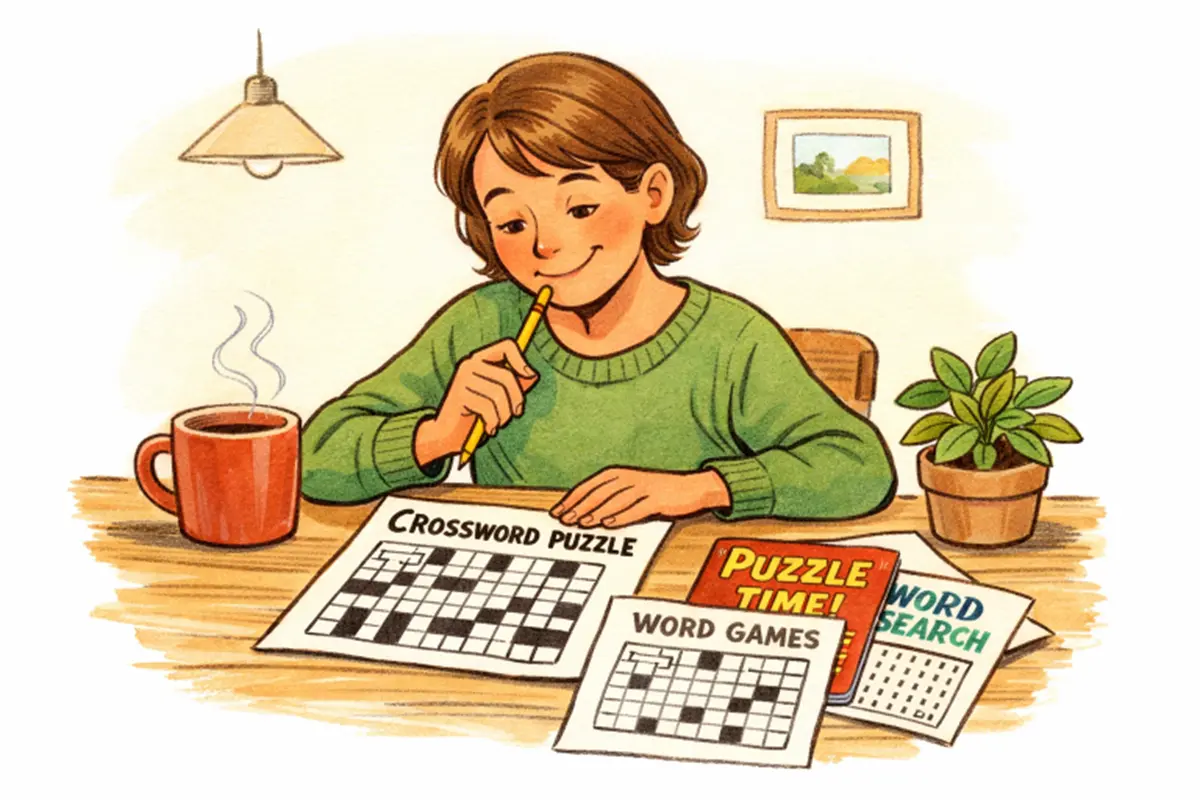

Keeping your mind sharp does not have to be a chore. Engaging with word puzzles offers a dynamic, enjoyable way to maintain and even enhance cognitive abilities at any age. Whether you are looking for a mentally stimulating break during the day or a productive pastime to unwind in the evening, word puzzles can deliver powerful results. If you are curious about different types, resources like https://www.pennydellpuzzles.com/fill-ins/ provide a great starting point for puzzle enthusiasts.
Word puzzles present more than just entertainment. They challenge your brain, spark your creativity, and can even help develop numerous language and logic skills. The beauty of word puzzles is that they are accessible to everyone, from children learning new vocabulary to adults looking to protect their memory and focus as they age. Regardless of skill level, incorporating brain-boosting games into your routine may build your mental fitness in ways you might not expect.
Beyond just solving clues or spotting patterns, word puzzles offer a unique form of cognitive exercise. In fact, modern research consistently points to the importance of mentally stimulating activities for long-term brain health. Even small bouts of puzzling several times a week can make a real difference in how quickly you recall information and solve everyday problems.
Cognitive Benefits of Word Puzzles
The act of figuring out word-based challenges activates multiple regions of the brain. Regular engagement with word puzzles is linked to several important cognitive perks:
- Enhanced Memory: Solving word challenges often requires recalling facts, connections, and previously learned vocabulary, which exercises short-term and long-term memory.
- Increased Vocabulary: Repeated exposure to new words and their meanings naturally expands your vocabulary and comprehension.
- Improved Focus: Focusing on puzzles for sustained periods sharpens your attention and filters out distractions, making it easier to concentrate on complex tasks in daily life.
- Better Problem-Solving Skills: Approaching clues or grids strategically boosts critical thinking and the ability to see patterns in information, skills that are valuable in every aspect of life.
According to reports in the New York Times, solving crosswords and other similar puzzles can help delay memory decline associated with aging. Introducing these puzzles early and making them a consistent habit can have even greater benefits over time.
Popular Types of Word Puzzles
Word puzzles come in a wide variety of formats, ensuring that there is something to suit every interest and skill level. Some favorite types include:
- Crossword Puzzles: Fill in blanks using clues that test your general knowledge, vocabulary, and reasoning ability.
- Word Searches: Scour a grid to find hidden words in every direction, boosting pattern recognition and scanning skills.
- Fill-In Puzzles: These offer a twist on crosswords, presenting you with a selection of words to strategically fit into a blank grid. They are great for logic development and observation, and can be found at dedicated puzzle providers.
- Anagrams: Rearranging a jumbled set of letters to form meaningful words helps you see relationships between letters and sounds, encouraging mental flexibility.
There are also word ladders, cryptograms, and spelling challenges for those eager to expand their repertoire and further boost cognitive engagement.
Incorporating Word Puzzles into Your Routine
Making word puzzles part of your daily life does not have to be time-consuming or difficult. Here are simple, effective ways to integrate these brain boosters into your routine:
- Set Aside Time: Reserve a regular slot, whether it is during your morning coffee or as a relaxing activity before bed, to establish consistency.
- Choose Appropriate Difficulty: Start with simpler puzzles to build confidence, then increase the difficulty as your skill grows. This gradual approach keeps you motivated and challenged.
- Use Various Formats: Mix things up by alternating between traditional print puzzles and digital versions to prevent boredom and encourage flexible thinking.
- Join Puzzle Communities: Engaging with others who enjoy solving puzzles provides a sense of community, friendly competition, and the opportunity to exchange strategies and new ideas.
Additional Activities to Enhance Brain Health
Word puzzles are an excellent entry point, but combining them with other proven activities yields the greatest mental benefit.
- Physical Exercise: Regular movement, even simple daily walks, increases blood flow to the brain and supports mental clarity and resilience.
- Healthy Diet: Foods rich in antioxidants, healthy fats like omega-3s, and lean proteins are all linked to sharper cognitive abilities and better overall brain health.
- Social Interaction: Meaningful conversations and social activities activate complex thinking and emotional processing, helping to stave off cognitive decline.
- Continuous Learning: Pursuing new hobbies or learning new skills, whether language, music, or crafts, challenges the brain to adapt and grow.
Final Thoughts
Word puzzles are a fun and accessible way to keep your mind sharp and your language skills strong. Their benefits do not stop at just language; they promote problem-solving, memory, and mental flexibility. By making puzzles a part of your daily routine and pairing them with other brain-healthy activities, you can enjoy lifelong cognitive wellness while having plenty of fun along the way.
Also Read
- Liability Insurance Essentials for Growing Businesses
- Innovative Technologies in Metalworking Equipment
- Pendeja Meaning in English: Definition, Usage, Cultural Context, and Real-Life Examples





Leave a Comment