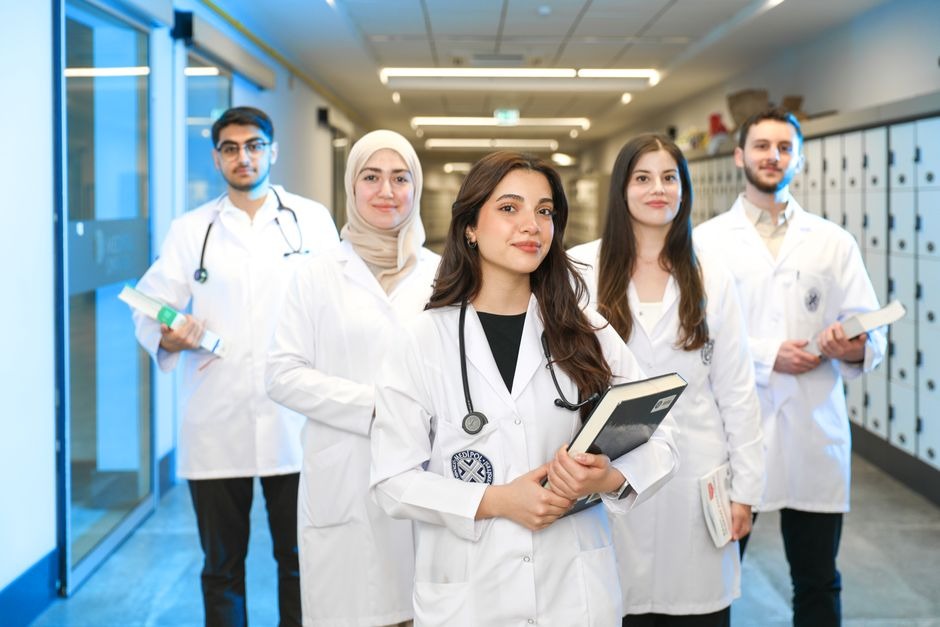

Studying medicine abroad is more than a change of campus. It can mean learning within a new culture, adapting to an unfamiliar academic system, building relationships far from home, and eventually moving between classroom study and clinical environments. Those challenges can also develop independence and adaptability alongside medical knowledge.
The strongest preparation therefore goes beyond applications and passports. Students should understand how an overseas program is structured, where clinical training occurs, what professional requirements await after graduation, and how everyday life will affect their ability to study. Thinking through those realities early can make international medical education far less disorienting.
Choose a Program by Looking at the Whole Training Path
Students researching medicine abroad frequently encounter Caribbean programs, particularly when looking for medical schools with pathways oriented toward future training or practice in the United States or Canada. These programs can differ in curriculum, clinical opportunities, student support, location, and financial structure, so the region itself should never be the only reason for choosing one.
Finances belong within that larger evaluation. Understanding the cost of Caribbean medical schools helps students determine whether a promising academic pathway will also be sustainable through graduation. The American Canadian School of Medicine in Dominica, for example, describes a physician-created program centered on critical thinking, smaller classes, and clinical exposure from the outset. It also publishes tuition, fees, living-cost estimates, scholarship opportunities, and financing information so applicants can consider affordability alongside the academic experience.
The important point is balance. Cost matters, but it should sit beside training quality, clinical opportunities, professional eligibility, and student support—not replace them.
Understand How Learning Moves Toward Patient Care
Medical education changes substantially as students progress from foundational sciences toward clinical application. Before enrolling abroad, find out how a program manages that transition.
Ask when clinical exposure begins, how classroom material connects with patient care, and how students prepare for rotations. Look beyond a list of course titles and determine how the curriculum develops clinical reasoning.
Teaching format matters too. Class size, faculty access, laboratories, case-based learning, assessment methods, and academic advising can all influence the experience.
Imagine yourself studying within that system. A program can sound impressive in a brochure while still being poorly matched to the way you learn under pressure.
Know Where Clinical Rotations May Take You
An international medical degree can involve more geographic movement than students initially expect. Basic-science education may occur in one country while clinical rotations take place through affiliated hospitals elsewhere.
Ask where core rotations are offered, how placements are assigned, and whether relocation is likely. Students should also understand what support is provided during these transitions.
Moving during medical school affects more than travel plans. Housing, transportation, routines, and relationships may change just as clinical responsibilities become more demanding.
Knowing the likely sequence before enrollment makes it easier to prepare for the shift from campus-based education to learning in hospitals and other clinical settings.
Work Backward From Where You Want to Practice
An MD is an academic credential; the authority to practice medicine depends on professional and regulatory requirements. International students need to understand that distinction early.
Start with the country where you hope to complete postgraduate training or eventually practice. Research requirements for international medical graduates, including credential verification, examinations, residency eligibility, and relevant accreditation or recognition rules.
Use official regulatory and licensing sources rather than relying exclusively on student forums or old discussions. Requirements can change, and another graduate’s experience may no longer reflect the process you will face.
Working backward from your intended career destination helps determine whether a program supports the next stage rather than simply offering a route into medical school.
Prepare for the Academic Adjustment
Relocating receives plenty of attention, but the academic transition can be equally significant. Medical school involves large quantities of material, frequent assessments, and substantial independent study.
Develop effective study methods before arriving. Active recall, practice questions, spaced review, and structured weekly planning may be more useful than repeatedly rereading notes. Learn how long you can concentrate productively and how you respond when several deadlines arrive together.
Once classes begin, seek academic assistance early if your approach stops working. Waiting for a major setback before changing study habits can make recovery harder.
Students who performed extremely well in college may still need new strategies. Medical school is a different learning environment, and adjusting your methods is part of adapting to it.
Build a Support Network Before You Need It
Living overseas can intensify ordinary academic stress because familiar people and routines are farther away. A support network should therefore be created deliberately rather than assembled during a crisis.
Find out what tutoring, advising, counseling, health services, and student organizations are available. Develop relationships with classmates before examination season makes everyone busy.
Connections at home remain valuable, but allow new relationships to develop as well. A few dependable classmates, accessible faculty members, family contacts, and professional resources can provide different forms of support.
Knowing where to turn for help makes difficult periods easier to navigate and reduces the pressure to solve every problem alone.
Learn to Live in the Host Country
Students can become so focused on medical school that they experience their host country only through campus, housing, and grocery shopping. That misses an important dimension of studying internationally.
Learn local customs, understand transportation, become familiar with the surrounding community, and approach cultural differences with curiosity. Medicine itself is influenced by communication, family structures, beliefs, and community expectations. Living within another culture can encourage future physicians to think more carefully about how different patients experience healthcare.
This does not mean treating medical school like an extended vacation. It means becoming a respectful temporary resident rather than spending several years inside an academic bubble.
Protect the Habits That Keep You Functional
Medical training can consume sleep, movement, meals, friendships, and downtime if every nonacademic hour is treated as expendable. That may work temporarily, but it is difficult to sustain through years of education.
Establish a few basic routines that can survive demanding periods. Protect reasonable sleep where possible, keep practical food available, include some physical activity, and maintain contact with people outside immediate academic pressures.
Recognize when ordinary stress becomes difficult to manage. Appropriate counseling or other support can be valuable when wellbeing begins interfering with study or everyday functioning.
Studying medicine abroad demands flexibility, but flexibility is easier when students have a stable foundation.
International medical education can ultimately provide more than another route into medicine. It can require students to become independent, culturally aware, adaptable, and deliberate about their professional goals.
Before enrolling, a prospective student should be able to explain how the curriculum, clinical pathway, licensing requirements, living environment, support network, and financial realities fit together. No single feature should carry the decision.
When those pieces align, studying medicine abroad becomes more than choosing a school in another country. It becomes a carefully considered training experience—one that prepares a future physician not only to understand medicine, but also to adapt to unfamiliar environments, work with different communities, and move confidently from classroom learning toward patient care.
Read more: Lucky Mate Casino AU: AU$1,000 Bonus & 150 Free Spins
What Makes an Australian Casino Payout Fast
GetKine.com: Why Sublingual Cannabinoid Absorption May Matter

Leave a Comment