

Decaf coffee has long been overshadowed by its caffeinated counterpart, yet it offers a range of health benefits that make it worth considering for those mindful of their wellbeing. While regular coffee is renowned for its boost of energy, decaf coffee provides a mild alternative with significantly less caffeine, making it an excellent option for people sensitive to caffeine or those looking to reduce their intake. Decaf coffee is not just a solution for caffeine avoidance; it also contributes positively to various health aspects.
Understanding Decaf Coffee
Decaf coffee is produced by removing most of the caffeine from the coffee beans. This process typically leaves only about 3% of the original caffeine content, making it a popular choice for those who love the taste of coffee but wish to limit their caffeine consumption. The decaffeination process involves several methods, including using water, organic solvents, or carbon dioxide to extract caffeine while maintaining most of the coffee’s original flavour.
Potential Health Benefits
One of the most significant advantages of drinking decaf coffee is that it may provide some of the same health benefits as regular coffee, without the potential side effects associated with caffeine. This can include improved metabolic rate and possible liver protection.
Antioxidant Properties
Like regular coffee, decaf coffee is rich in antioxidants, which play a vital role in protecting the body’s cells from damage caused by free radicals. These antioxidants can help in reducing inflammation and lowering the risk of various chronic diseases.
Reduced Risk of Heart Disease
Studies have shown that decaf coffee may contribute to a reduced risk of heart disease. The antioxidants in decaf coffee could aid in improving endothelial function, which is crucial for cardiovascular health.
Improved Liver Health
Decaf coffee has been associated with a lower risk of liver damage and diseases such as liver cirrhosis. Regular consumption of decaf may help in reducing liver enzyme levels, thereby supporting liver function.
Mental Health and Wellbeing
Switching to decaf coffee can also have positive effects on mental health. While caffeine is known to cause anxiety and disrupt sleep patterns in some individuals, decaf coffee provides the familiar aroma and taste of coffee without these side effects, promoting better sleep quality and reduced anxiety.
Cognitive Function
Regular coffee consumption has often been linked to enhanced cognitive function, and decaf coffee may offer similar benefits thanks to its antioxidant content. Although the effects might be less pronounced due to lower caffeine levels, decaf coffee can still support brain health.
Digestive Health
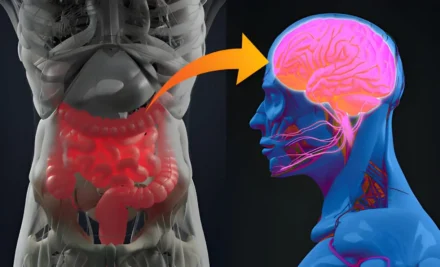
Decaf coffee can also be gentler on the stomach compared to regular coffee. Lower caffeine content results in reduced acid production, which can help prevent acid reflux and heartburn, making it a suitable option for people with sensitive stomachs.
Considerations and Choices
When choosing decaf coffee, it is essential to consider the decaffeination method as it can impact both flavour and chemical composition. Opt for decaf coffee that uses natural methods of decaffeination to avoid any unwanted chemical residues.
Conclusion
Incorporating decaf coffee into your daily routine can provide multiple health benefits while allowing you to enjoy the comforting experience of coffee without the drawbacks of caffeine. Whether you are seeking to improve your heart health, enhance liver function, or just want a better night’s sleep, decaf coffee stands as a valuable addition to your wellness journey.
Also Read
- Discover the Health Benefits of Houjicha: A Traditional Japanese Roasted Green Tea
- The Importance of Acting Early on Skin Health Advice in South Australia
- The Professional Caregiving Solutions are Designed to Improve Quality of Life





Leave a Comment