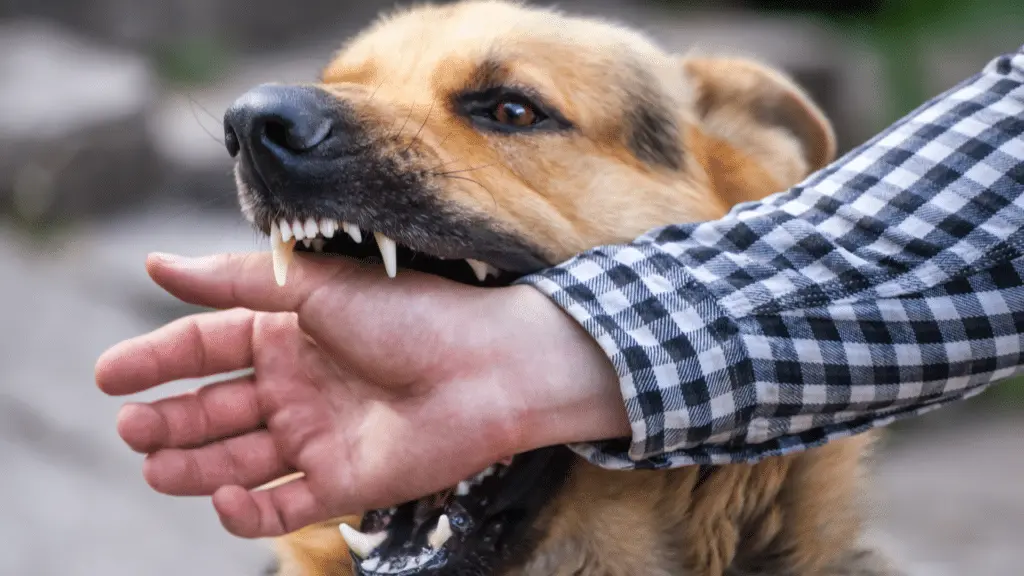

Dog bites are an increasing concern in Denver, where the mix of urban living and high pet ownership rates has led to a surge in incidents across neighborhoods. Many residents do not realize how important it is to understand prevention methods, proper treatment, and their legal rights in the event of a dog bite. If you or your loved ones are affected, connecting with an experienced Denver dog bite attorney is a key step toward understanding legal options and protecting your future.
The consequences of dog bites can be particularly severe, with victims experiencing trauma, infection, and long-term injuries that may require ongoing care. In many cases, the financial implications extend beyond medical bills to lost wages, emotional distress, and permanent scarring. By knowing what to do immediately after a bite, who to call, and what resources are available, victims can protect themselves and their families.
Parents should be especially vigilant, since children are more likely than adults to be bitten and often suffer the most serious injuries. Understanding both legal protections and healthcare steps can make a critical difference after an incident. This article walks through the facts about dog bites in Denver, including how Colorado’s strict liability law works, what you need to know about insurance coverage, and the importance of proper wound care and infection treatment.
Knowing how to act promptly and access local resources helps to ensure that you, your family, and your community are safe and protected. The following guide provides actionable information and recommended steps in the aftermath of a dog bite incident.
Denver Dog Bite Statistics
Dog bites in Denver have climbed in recent years, with 995 incidents in 2024 marking the highest figures in over half a decade. The majority of attacks take place in residential settings and often involve neighbors or acquaintances rather than strangers. According to the American Veterinary Medical Association, more than 4.5 million people are bitten by dogs each year in the United States, and nearly 800,000 of those bites require medical attention.
Colorado Strict Liability for Dog Bites
Colorado law follows a strict liability approach to dog bites. This means that if a dog causes serious bodily injury to a person who is legally on public or private property, the owner is liable for damages, regardless of the dog’s past behavior or any previous tendency to bite. Exceptions to this law are limited. Owners are generally not liable if the victim was trespassing, provoking the dog, or performing professional duties involving animals. Detailed information is available through the Colorado Dog Bite Law Summary.
Insurance Coverage in Dog Bite Cases
Dog owners are typically covered by homeowner’s or renter’s insurance policies, which often provide liability protection for injuries their pets inflict. These policies frequently cover medical costs, settlements, and legal fees up to a certain limit. However, insurance carriers may exclude certain breeds or have caps on payments. If the injury exceeds the coverage limit, the dog owner could be held personally responsible for remaining damages. Victims should report the incident promptly, retain all medical records, and consult an attorney to ensure insurance claims are properly handled and that fair compensation is received. More guidance can be found through Denver Personal Injury Lawyers.
Scarring and Infection Treatment After a Dog Bite
Immediate and ongoing medical treatment is essential after a dog bite, due to the high risk of infection and the potential for lasting scarring. Around 10 to 15 percent of dog bite wounds become infected, and complications can include cellulitis, abscesses, or, in rare cases, more severe diseases such as rabies or tetanus. Medical professionals often prescribe a combination of wound cleaning, antibiotics, and sometimes surgery to manage lacerations or punctures. In cases of severe tissue loss or facial wounds, reconstructive or cosmetic surgery may be required. Psychological counseling can also be important for victims, especially children, who may suffer anxiety or trauma after an attack.
Dog Bites and Children: Unique Risks
Children account for approximately half of all dog bite victims and often suffer the most severe injuries, particularly to the face, head, and neck. Their smaller size and natural curiosity can put them at greater risk of approaching unfamiliar or unsupervised dogs. Parents should educate children about safe interactions, teach them not to disturb dogs while they eat or care for puppies, and supervise all play, even with familiar pets. Pediatric care after a bite may involve specialists to treat both physical and emotional effects.
How a Lawyer Can Help After a Dog Bite
After a dog bite, a knowledgeable attorney can explain your rights under Colorado’s strict liability laws, communicate with insurance companies, gather evidence, and help you seek fair compensation for medical expenses, pain and suffering, lost income, and any future treatment needs. A lawyer will also guide you if your case involves a child or an especially severe injury. Seeking legal advice early in the process increases the likelihood of successful outcomes and protects your interests throughout the claim or litigation.
Conclusion
Dog bites in Denver present serious risks for both adults and children. Colorado’s strict legal and insurance frameworks offer protection for victims, but quick action, proper medical care, and the assistance of a qualified attorney make all the difference in recovery and securing just compensation. By understanding the law and taking preventive steps, both pet owners and families can help reduce the occurrence and impact of dog bite incidents in the community. For further information on dog bite prevention, visit the CDC’s Dog Bite Prevention resource.
Also Read







Leave a Comment