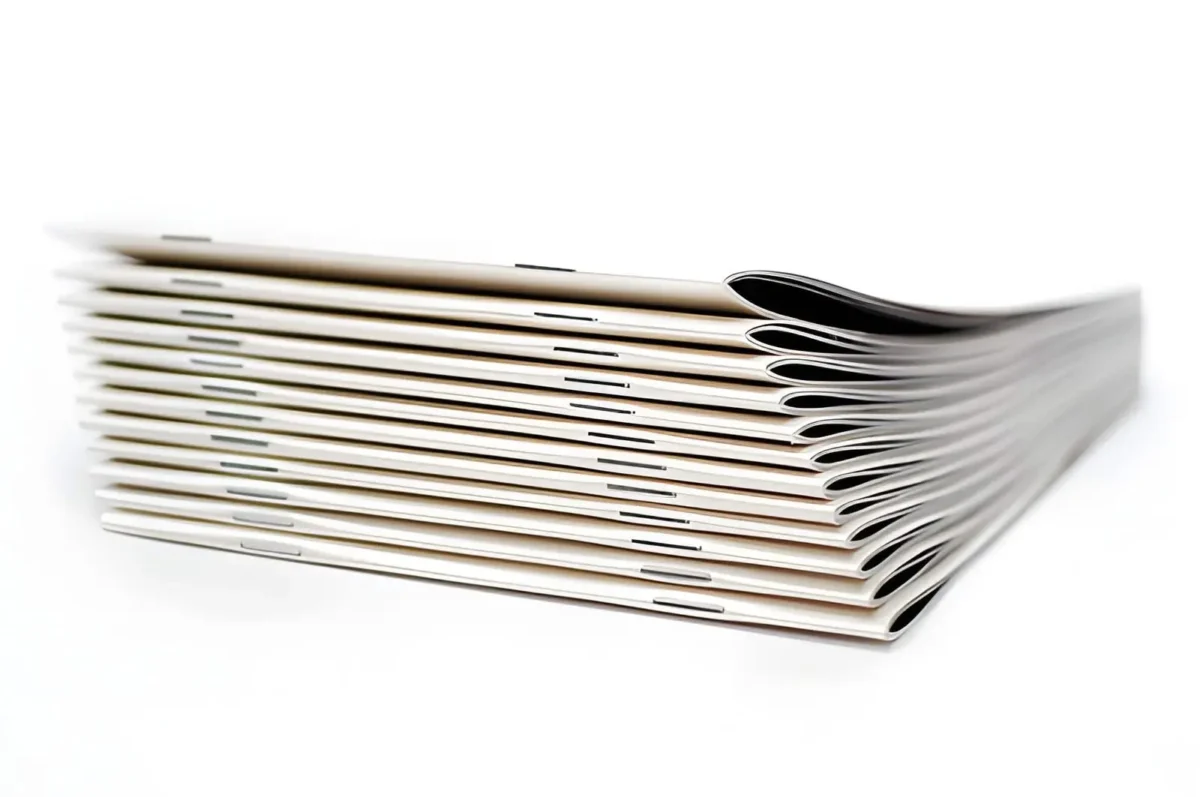

Saddle-stitched booklets have consistently proven their value as tangible marketing tools adaptable to a wide range of creative needs. Even in today’s tech-savvy landscape, organizations are discovering fresh and effective approaches to leverage these booklets for richer audience engagement. Whether your brand is delivering targeted messaging, building authority, or fostering interactivity, saddle stitch booklets with Printivity remain an essential way to make a memorable impact.
Printed booklets serve as effective, long-lasting reminders of brands, products, or events, offering cost-effective and easily distributable marketing tools. They enable creative differentiation through tactile, visually engaging assets, helping educate consumers and tell brand stories. As consumer attention spans change, versatile formats like booklets foster deeper audience engagement and encourage repeat reference.
Storytelling Through Catalogs
Modern catalogs have evolved from mere product listings to engaging storytelling platforms that create immersive experiences. Brands leverage these booklets to illustrate how products enhance real-life situations, fostering emotional connections with consumers. For instance, home décor and furniture brands can guide readers through seasonal updates using editorial photography, transforming the catalog into an inspirational and practical tool that boosts purchase intent. This narrative approach is equally effective across sectors, including fashion, technology, and food, with seasonal lookbooks generating excitement for new collections and culinary brands narrating dinner-party experiences that highlight their products’ communal value. Additionally, incorporating customer testimonials and user-generated content lends authenticity and relatability, while behind-the-scenes stories and founder notes humanize the brand, further deepening emotional ties with readers.
Educational Content
Establishing expertise through educational booklets enhances customer trust and brand authority across sectors like retail, health, and technology. These booklets provide tutorials, trend insights, and troubleshooting guides, positioning companies as reliable sources of expert advice. Their versatility allows for onboarding, reference, and training uses, while periodic series keep audiences engaged. In technical fields, illustrations and infographics simplify information, boosting customer confidence. Branded checklists further ensure these booklets become valuable resources rather than disposable materials.
Interactive Event Guides
Saddle-stitched booklets shine as interactive event guides, particularly for conferences, trade shows, and exhibitions. Moving beyond static schedules, these booklets include fold-out venue maps, speaker biographies, and sections for attendee notes. By incorporating QR codes or app links, event organizers create a more dynamic experience, letting guests connect with real-time polling, content downloads, or digital giveaways. This hybrid approach elevates engagement, amplifies information retention, and provides a physical artifact to spark continued interaction.
For events with multiple sessions or workshops, booklet layouts can be optimized for personalization, attendees can highlight their schedules, jot down thoughts, or even collect autographs. Not only do these interactive elements boost practical utility, but they also foster personal investment in the material. Some event planners collaborate with sponsors to feature exclusive offers or contest entries accessible via the booklet, driving additional post-event engagement and extending the booklet’s impact long after the venue doors close.
How-To Guides
Step-by-step instructions are among the most practical uses of printed booklets. Clear visuals and structured directions empower readers to achieve new skills or master product use. Beauty brands might use this format for makeup tutorials, while technology brands offer troubleshooting walkthroughs. Customers are more confident when they can return to a professionally designed booklet, in their home, office, or retail environment, to troubleshoot problems or learn at their own pace. This builds loyalty and adds tangible value to every customer interaction.
How-to booklets can also introduce seasonal project guides, creative challenges, or recipes, offering value-driven content that inspires ongoing usage. Including space for user notes or progress tracking, such as checkboxes or journaling prompts, makes the printed guide even more interactive and personalized. Distributing how-to booklets during product launches or in-store events creates a memorable touchpoint, giving audiences functional materials they are likely to keep and reference.
Bridging Print and Digital
Marketers are embracing the best of both worlds by integrating digital enhancements into print materials. QR codes enable seamless transitions from print to exclusive online content, such as bonus videos, downloadable resources, or interactive surveys. Some brands take it a step further, using augmented reality overlays that animate booklet pages when viewed on a smartphone. These efforts not only provide richer brand experiences but also allow companies to gather engagement data and hone future campaigns.
Tracking engagement with embedded analytics, such as unique QR codes or custom URLs, enables marketers to accurately measure ROI and test which types of content drive the strongest results. Offering interactive experiences, like downloadable design templates, member-only communities, or gamified challenges linked from the booklet, increases perceived value and encourages sustained interaction with the brand. The blending of print and digital opens new dimensions of creative expression, ensuring your print assets are never isolated but part of a unified omnichannel approach.
Design Considerations
The success of a saddle-stitched booklet relies on thoughtful design elements, including a clear visual hierarchy with bold headlines, subheaders, and adequate white space for readability. High-quality graphics and professional photography enhance authority and messaging, while a grid-based structure across pages ensures a polished appearance. Strategic use of color, typography, and imagery captures attention and aids message retention. Consistency with brand identity through colors, fonts, and iconography is essential for a cohesive experience. Accessibility considerations, such as readable font sizes and alt text for images, ensure engagement for all audiences. Specialty materials, such as soft-touch lamination, can elevate presentation quality and guide readers intuitively through the content.
Conclusion
Saddle-stitched booklets serve as more than just product listings; they enable storytelling, education, and interactive experiences. By focusing on quality design and content, brands can turn these booklets into effective marketing tools that engage audiences. Treating each booklet as part of a broader campaign, with aligned messaging and visuals, enhances its impact. The enduring value of print marketing ensures that saddle-stitched booklets will continue to play a significant role in effective communication moving forward.
Also Read
- Innovative Technologies in Metalworking Equipment
- Navigating Business Loans: Your Key to Financial Freedom
- The Professional Caregiving Solutions are Designed to Improve Quality of Life







Leave a Comment