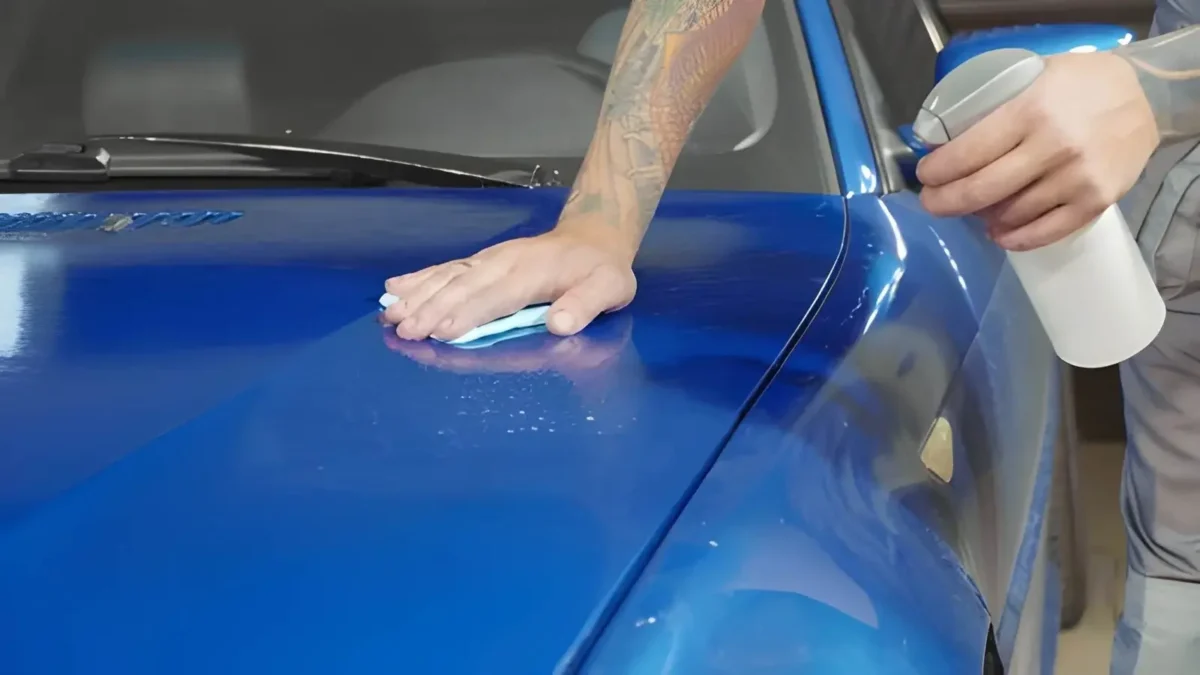

Ceramic coatings promise tight water beading, deep gloss, and easier cleaning. They can deliver those benefits, but only when the surface is prepared correctly, the product is applied under the right conditions, and aftercare respects the coating’s chemistry. Many disappointed owners expect protection from rock chips or assume the vehicle will require no maintenance, only to end up sealing in swirls, creating high spots, or dealing with stubborn water spots. This article explains the practical factors that influence results, including how decontamination and paint correction affect bonding, why humidity and flash time matter during application, and which washing and drying habits can help preserve hydrophobic performance for months rather than weeks.
Prep Determines Bonding: Decontamination, Correction, and Panel Wipe
Durable bonding begins before any coating touches the paint. A thorough wash removes loose dirt, while an iron remover can help dissolve embedded ferrous contamination. Use a clay bar or synthetic clay mitt when needed to remove bonded contaminants left on the surface.
Next comes paint correction. Machine polishing with suitable pads and compounds can reduce oxidation, swirls, water spot etching, and other visible defects. A final isopropyl alcohol wipe or dedicated panel preparation product removes polishing oils and residue so the coating can bond more directly to the clear coat. Choosing a recognized system such as XPEL Ceramic Coating can provide a defined application process, but proper surface preparation remains essential for appearance and durability.
Consider what happens when you apply a coating over uncorrected paint. Swirls, polishing marks, dealership wash damage, and mineral staining can remain visible beneath the glossy coating. The surface may still bead water, but the finish can look tired under bright sunlight.
By contrast, even a relatively mild paint correction can improve clarity before applying the coating. The ceramic layer then enhances gloss and makes the corrected surface easier to maintain. Preparation, not the coating step itself, determines much of the final appearance.
Application Details: Temperature, Flash Time, and High Spots
Ceramic coating chemistry is sensitive to the surrounding environment. Apply in a clean space within the temperature and humidity range recommended by the manufacturer.
Work in small sections and apply the coating evenly, following the product instructions. Many coatings begin to show visual changes as solvents evaporate, indicating when to level the product with a clean microfiber towel. Working over too large an area or waiting too long can leave high spots that appear as dark smears or uneven gloss under strong lighting.
Good inspection lighting and multiple viewing angles make these areas easier to identify while the coating is still workable.
Curing time also matters. Some products become dry to the touch relatively quickly but continue developing their final properties for a longer period. Follow the manufacturer’s instructions regarding exposure to water, washing, weather, and other contaminants during this stage.
Remove bird droppings, bug residue, mineral-rich water, and other contaminants promptly. If a high spot fully hardens, you may need professional polishing and reapplication in that area.
What Coatings Do and What They Do Not Do
Ceramic coatings create a surface that repels water and reduces the tendency of dirt and oily contamination to bond strongly to the paint. This can make routine washing easier and may reduce wash-related marring because contaminants release with less effort.
Some coating systems also resist certain environmental contaminants and can help preserve the clear coat’s appearance when combined with proper maintenance.
However, ceramic coatings are extremely thin compared with impact protection products. They do not stop stone chips, protect against door dents, or prevent damage from larger road debris.
If impact protection matters in areas such as the front bumper, rocker panels, or sections behind the wheels, paint protection film may be a better choice. PPF uses a much thicker urethane layer designed to absorb minor impacts, while a ceramic coating primarily improves surface behavior and maintenance.
Many vehicle owners combine both approaches by applying film to vulnerable areas and coating larger painted surfaces for easier cleaning and added gloss.
Aftercare That Preserves Hydrophobic Performance
Once the coating has cured, gentle wash habits help preserve its performance. Use a pH-neutral automotive shampoo and clean microfiber wash media. Rinse away loose dirt before making physical contact with the paint whenever possible.
A foam prewash or thorough pressure rinse can remove a significant amount of surface contamination before hand washing begins. Avoid automatic brush washes because dirty brushes and strips can drag abrasive particles across the surface and create visible marring.
Drying technique matters as well, particularly in areas with mineral rich water. Allowing hard water to evaporate on the paint can leave deposits that eventually become difficult to remove.
Use clean drying towels and avoid unnecessary rubbing. A vehicle blower can also help remove trapped water from mirrors, badges, trim, and other areas where drips commonly appear after washing.
Some coating manufacturers recommend compatible maintenance products or silica based toppers to refresh water behavior and slickness. Follow the coating manufacturer’s guidance rather than layering random waxes or sealants that may interfere with the surface characteristics you are trying to preserve.
Troubleshooting Spots, Streaks, and Stubborn Contamination
Water minerals can leave deposits even on ceramic-coated paint, particularly when droplets dry in direct sunlight. Address fresh spots promptly with a product confirmed to be safe for the specific coating.
If mineral deposits have already etched the clear coat, simple washing may not remove them. Professional polishing may be required depending on the severity of the damage.
Bonded contamination such as rail dust, industrial fallout, or road debris may also accumulate over time. Chemical decontamination can sometimes remove these particles without aggressive mechanical treatment. Use clay carefully, as it can cause marring if the surface is heavily contaminated or lubrication is inadequate.
High spots from the original coating application may appear as dark or oily-looking areas under bright lighting. Once fully cured, correcting them may require polishing the affected section and reapplying the coating according to the manufacturer’s process.
Treat tar, sap, and similar contaminants with products compatible with ceramic coatings. Let the chemical soften the contamination rather than scrubbing aggressively.
Treat Ceramic Coating as a Maintenance Advantage
Ceramic coatings reward good preparation and careful maintenance. When the paint is properly cleaned and corrected, the coating is applied according to the manufacturer’s instructions, and the wash routine uses gentle products and clean tools, the finish can remain glossy and easier to maintain for a long period.
A ceramic coating does not replace paint protection film in areas exposed to frequent impacts, nor does it eliminate the need for regular washing. What it can do is make routine cleaning easier, improve water behavior, and help preserve the appearance of properly prepared paint.
Realistic expectations matter. Treat the coating as a way to improve maintenance rather than as an invisible shield. With appropriate preparation, application, and aftercare, its gloss and hydrophobic properties can last far longer than the results of a single detailing session.
Also Read
- /innovative-heavy-industry-solutions-driving-efficiency-and-growth/
- /how-to-choose-the-right-urgent-care-facility-6-tips/
- /youve-decided-to-buy-houses-in-bali-now-what-real-returns-taxes-and-hidden-costs-agents-dont-tell-you/






Leave a Comment