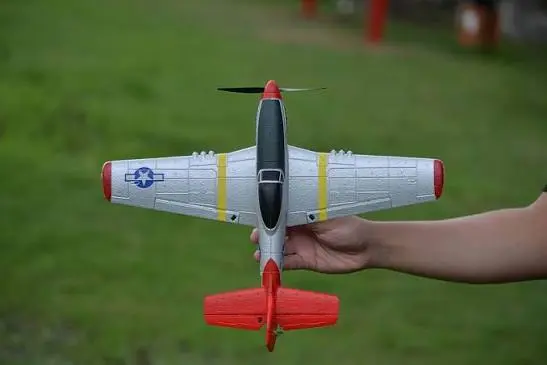

Embarking on the journey of flying RC planes is an exciting and rewarding experience. However, selecting the right RC Trainer Plane Kits tailored to beginners can be challenging. This guide provides useful tips for enthusiasts eager to select their first RC trainer plane, ensuring a smooth and enjoyable start to this hobby.
Understanding RC Trainer Planes
RC trainer planes are specifically designed for beginners. They offer stability and straightforward control, which are crucial for new pilots mastering the basics. These planes typically feature a high-wing configuration, aiding stability and smoother flight controls. Additionally, they are often built with durable materials to withstand the occasional hard landing, common during the learning phase.
Features to Consider
When selecting an RC trainer plane, enthusiasts should consider several key features. An important aspect is the plane’s size; larger planes tend to be more stable and easier to control, but they require more space to fly. Conversely, smaller planes might be more convenient but can be more challenging for beginners to manage.
The power type is another crucial factor. Electric-powered RC trainers are popular among beginners due to their ease of use and maintenance. Unlike their fuel-powered counterparts, electric models require less preparation and are typically quieter, making them ideal for various environments.
Kit Options
Prospective pilots can choose from different types of kits depending on their preferences and skill levels. Ready-to-Fly (RTF) kits are pre-assembled and come with everything needed, while Almost Ready-to-Fly (ARF) kits require some assembly but offer flexibility in selecting certain components. These options allow beginners to ease into the hobby at their own pace.
Choosing the Control System
The control system is the core of any RC plane. For those new to piloting, selecting an appropriate radio system is crucial. Most RC trainer planes include a basic transmitter, but hobbyists might prefer to invest in more advanced RC aircraft transmitters over time to enhance their flying experience.
Price and Budget Considerations
RC flying can vary significantly in cost. Setting a budget beforehand helps limit choices and ensures that one can enjoy the hobby without financial strain. Generally, beginners can find highly functional RC plane kits within a modest budget, avoiding the need for costly upgrades right away.
Building Skills and Confidence
Practising with an RC trainer plane helps in developing fundamental piloting skills. Flying indoors or in open fields, depending on the size and type of plane selected, allows beginners to gain confidence in handling controls and managing potential challenges during flight.
Role of Simulators
Using RC flight simulators can substantially assist beginners before taking actual flights. Simulators provide a risk-free environment to practice various flying scenarios, enhancing a pilot’s skills and readiness when operating real RC planes.
Engaging with the Community
Joining a community of RC enthusiasts presents ample learning opportunities for beginners. Engaging in forums, clubs, or local groups offers access to shared knowledge and may provide expert insights into choosing the right RC plane kits and troubleshooting common issues.
Importance of Maintenance
Proper maintenance ensures a longer lifespan for any RC trainer plane. Beginners should understand basic maintenance practices such as battery care, checking for damages, and ensuring the controls function correctly before each flight.
Considering Upgrades
As skills develop, some beginners may look to upgrade their plane or parts of it, such as the transmitter or battery. Incremental upgrades can enhance performance and are usually more cost-effective than purchasing entirely new aircraft.
Environmental Awareness
Appreciating weather conditions is vital when flying RC planes. Beginners are advised to start on calm days to reduce the impact of wind on flight stability, progressively testing their skills in more challenging conditions as confidence grows.
Safety Considerations
Safety should always be a priority. A clear understanding of safety procedures, such as knowing the flying field boundaries and emergency procedures, contributes to an enjoyable and secure flying experience.
Concluding Thoughts
Choosing the right RC trainer plane involves considering many factors, from kit options to the environments in which they will be flown. By following these tips, beginners can set a strong foundation for a fun and enduring hobby in remote control aviation. As skills grow, so does the opportunity to explore more advanced RC aircraft options.
Also READ-Life Fitness: Revolutionizing Wellness and Exercise Solutions





Leave a Comment