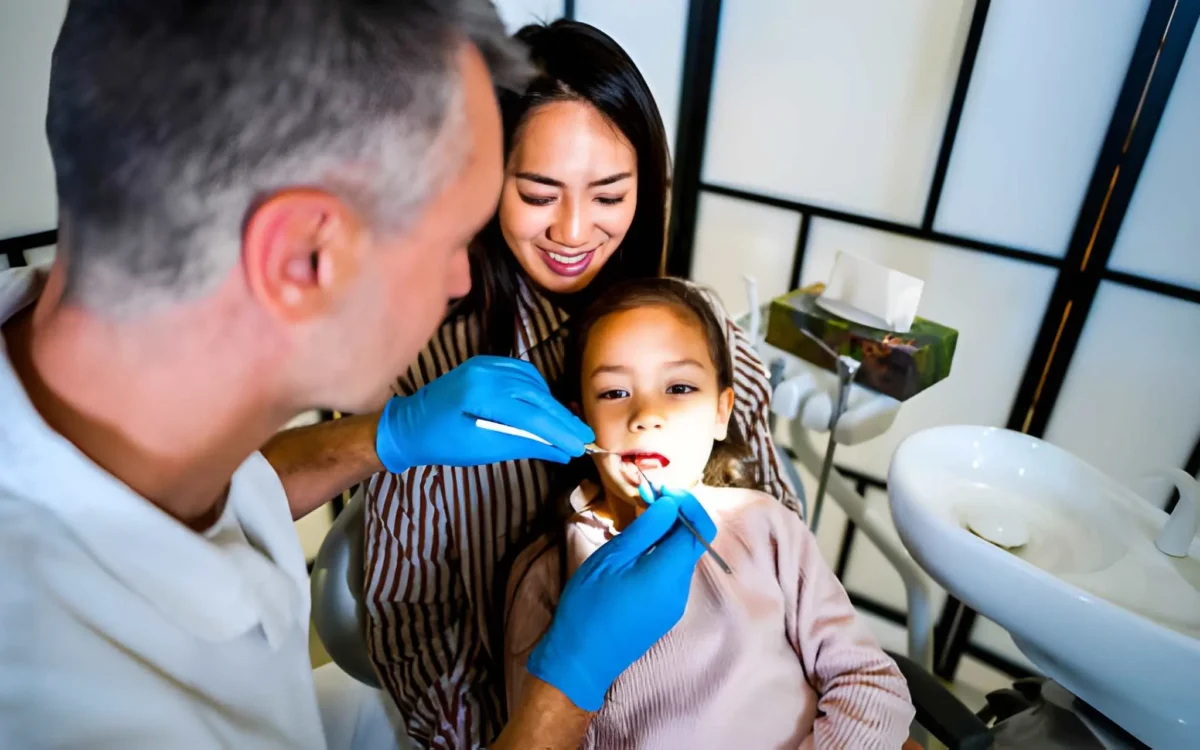

You get through the pediatric dentist appointment, your child does better than expected, and for a moment it feels like you finally have some momentum. Then real life starts again. Mornings are rushed, bedtime turns into a negotiation, and brushing can fall apart over one skipped routine. If that sounds familiar, you are not doing anything wrong. Kids learn dental habits at home, in small repeated moments, not only in the exam chair. For families seeking same-day dental care for kids in Colton, CA, those everyday routines still make the biggest difference.
A good visit usually means your child heard the same message in a calm, consistent way. Home is where that message sticks. The goal is not perfection. The goal is helping your child connect the dentist’s advice with what happens every day, so cleanings feel normal, brushing feels expected, and dental care stops being a battle in your house.
Children build trust in dental care through repetition at home
Many parents expect a positive dental visit to create an instant change. Sometimes it does. More often, your child leaves the office with a clean smile and a sticker, then resists the toothbrush that same night. That can feel discouraging, especially if you were hoping the appointment would “fix” the struggle.
Kids need the message repeated in the same language and tone. When the pediatric dentist says, “Brush two times a day,” and you calmly repeat that at home without turning it into a threat, your child starts to see oral care as part of life, not a punishment. That consistency matters more than a perfect technique on day one.
This is where ways parents can support a positive dental visit at home become practical. You are not trying to recreate the office. You are building a bridge between the office and your child’s daily routine.
Home routines shape whether a good dental visit lasts
The hardest part for many families is not information. You already know sugar affects teeth, brushing matters, and skipping care can lead to cavities. The hard part is carrying that knowledge into tired evenings, picky eating, and a child who clamps their mouth shut because they want control.
One skipped brushing session is not the issue. The pattern is. Plaque keeps building when brushing and flossing are inconsistent, and children do not always feel a problem until decay is already there. That is one reason regular routines matter so much. The CDC shares clear oral health tips for children that support what most pediatric dental teams recommend at home.
Fluoride is another area where home habits and office care work together. If your child had fluoride treatment at the visit, that does not replace daily protection. Using fluoride toothpaste in the right amount for your child’s age helps strengthen enamel over time. The CDC explains how fluoride helps prevent tooth decay in a simple, parent-friendly way.
When children hear one thing at the dentist and see another thing at home, they notice. If the office says water is the best drink between meals, but juice is the default all day, the lesson gets blurred. If the visit praises brushing, but home care only happens when there is a problem, your child learns that teeth only matter when something hurts.
Four simple habits reinforce pediatric dental care at home
The most effective changes are usually the least dramatic. A few steady habits do more than a burst of motivation after a cleaning.
First, keep brushing and flossing at the same times each day. Predictability lowers resistance because your child knows what comes next. Second, use the same words the dental team used. “We brush to keep sugar bugs off your teeth” is easier for a child to remember than a long explanation. Third, make water easy and frequent, especially after snacks. Fourth, keep treats structured instead of constant. A dessert with a meal is easier on teeth than frequent grazing on sticky snacks.
Reinforcing a successful dental appointment at home often comes down to reducing mixed signals. Children do better when the adults around them are calm, clear, and boringly consistent.
Small home choices can either support or undo dental progress
| Home Habit | Supports a Good Dental Visit | Works Against It |
|---|---|---|
| Brushing routine | Brushing every morning and night with parent help | Brushing only when your child feels like it |
| Drinks between meals | Mostly water | Frequent juice, sports drinks, or sweet milk drinks |
| Snacking pattern | Set snack times with fewer sticky foods | Constant grazing through the day |
| Language about the dentist | Calm, matter of fact talk | Using the dentist as a threat or warning |
| Fluoride use | Age appropriate fluoride toothpaste used daily | Skipping toothpaste or using it inconsistently |
This is also where the broader idea of pediatric dentist care makes sense. Office visits catch problems early, but home habits decide how often those problems start in the first place.
Three steps you can take today to strengthen your child’s dental habits
Set one nonnegotiable brushing routine. Pick two times that fit your real schedule, not your ideal one. If bedtime is chaos, move brushing earlier in the evening before your child is overtired. Stay with them and help. Most children need hands-on help longer than parents expect.
Change the environment, not just the lecture. Keep the toothbrush visible, put floss picks where you will use them, and make water the easy option. Children usually respond better to a setup that guides them than to repeated reminders that sound like pressure.
Match your words to the dental office. Say the same simple phrases every day. “We take care of our teeth in the morning and at night.” “Water helps your teeth.” “The dentist checks how well we’re caring for your smile.” That steady language helps children feel safe because the message does not change.
Steady home care helps every good dental visit mean more
If your child had a good appointment, that is a win worth protecting. You do not need a perfect chart, a perfect diet, or a child who loves brushing every night. You need a routine that holds up when the day is messy. That is how at home dental care for kids starts to feel manageable and how one good visit turns into a pattern of healthier ones.
Keep it simple, stay consistent, and follow through on the next recommended checkup. Those ordinary choices at home are what give a good dental visit real staying power.
Also READ-Innovative Technologies in Metalworking Equipment







Leave a Comment