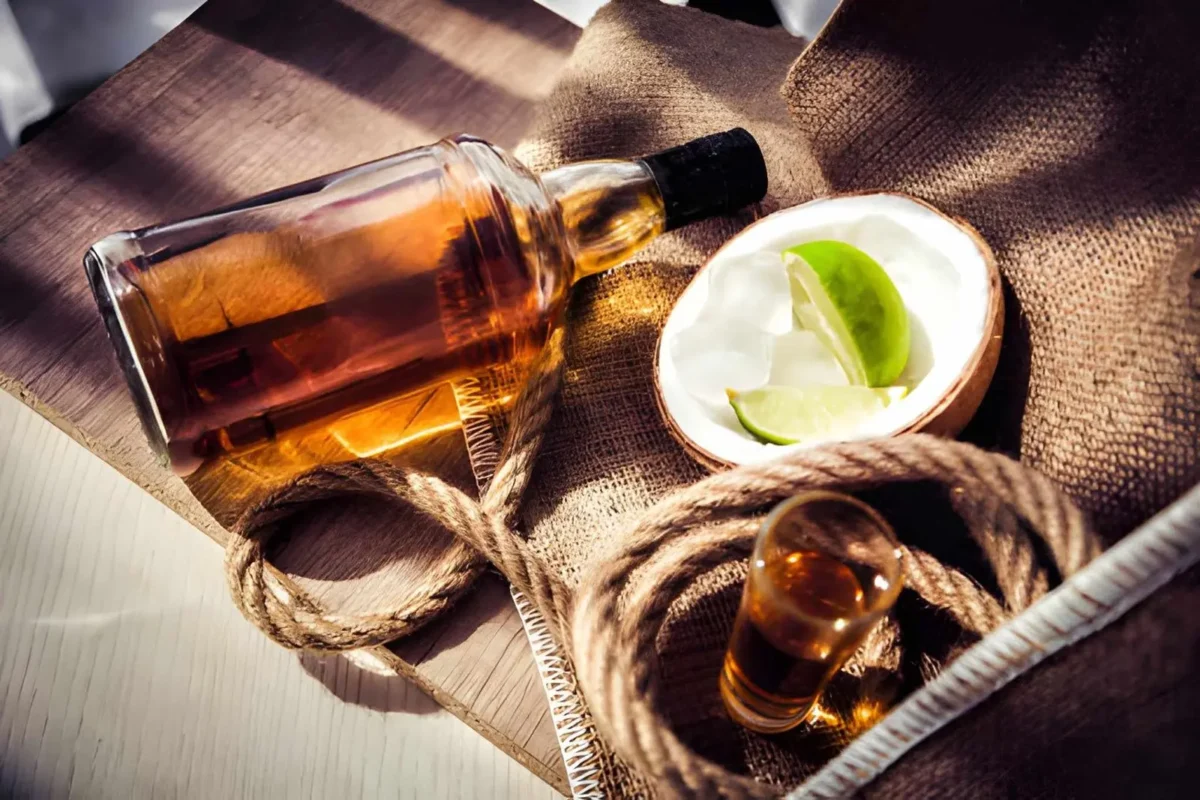

In recent years, rum has gained greater recognition as a complex and mature spirit, comparable in structure and aging potential to whisky or cognac. As interest has grown, so has the use of the term “premium.” Yet not every bottle positioned at a higher price point necessarily reflects the technical and production standards that define a premium rum.
1. Raw Materials and Agricultural Control
Every rum begins with sugarcane, whether processed into molasses or fermented as fresh cane juice. The quality and consistency of this raw material directly influence fermentation efficiency and flavor development.
Producers operating in premium segments often prioritize traceability and stable sourcing. Environmental factors such as soil composition, rainfall patterns, and harvest timing can subtly affect sugar concentration and fermentation behavior. While these variables are not always highlighted on labels, they form the foundation of a refined distillate.
Premium positioning frequently begins at the agricultural stage, long before distillation occurs.
2. Fermentation and Distillation Precision
Fermentation determines much of a rum’s aromatic potential. Yeast selection, fermentation duration, and temperature control all impact the formation of esters and congeners — compounds responsible for fruit, spice, and floral characteristics.
Distillation then refines this fermented base. Column stills tend to produce cleaner, lighter spirits, while pot stills generate heavier and more aromatic profiles. Some premium producers combine both methods to achieve structural balance.
What separates standard production from high end rum manufacturing is often consistency. Strict cut points during distillation, removal of unwanted compounds, and batch monitoring contribute to a clean base spirit capable of aging gracefully.
3. Aging Environment and Barrel Management
Aging is one of the most critical factors in determining whether a rum can be considered premium. Time alone is insufficient; barrel selection and climate conditions significantly shape the outcome.
Oak barrels — often previously used for bourbon — introduce compounds such as vanillin, tannins, and natural sugars formed through wood breakdown. Over years, oxidation and evaporation (the “angel’s share”) soften alcohol edges and integrate flavors.
In tropical climates, maturation occurs more rapidly due to higher temperatures. This accelerated interaction demands careful oversight. Without disciplined monitoring, excessive wood influence can overpower the distillate.
Many expressions classified as premium dark rum derive their deeper color and structured flavor not from additives, but from prolonged and controlled barrel interaction. This distinction is increasingly important among informed consumers.
4. Balance Over Sweetness
A common misconception is that premium rum must taste sweeter or richer. In reality, balance is a stronger indicator of quality than sweetness alone.
Some producers globally adjust sweetness post-distillation. In contrast, many premium-oriented distilleries emphasize natural development through aging rather than relying on added sugar. When sweetness is present, it ideally comes from barrel influence rather than external modification.
Structural harmony — where oak, oxidation, and distillate character integrate seamlessly — often distinguishes high-end releases from more commercially styled alternatives.
5. Transparency and Age Statements
Transparency plays an increasingly important role in defining premium status. Clear age statements, detailed production information, and consistent labeling practices build trust.
In traditionally aged rum, the age statement usually reflects the youngest component in the blend. In solera systems, the number may indicate an average age. Understanding these distinctions helps consumers interpret maturity claims accurately.
Premium producers typically maintain clarity about these practices, reinforcing credibility within the broader spirits community.
6. Sensory Complexity and Texture
A premium rum typically demonstrates layered aroma and a structured palate. Common sensory characteristics may include:
- Integrated vanilla and baking spice
- Subtle dried fruit or cocoa notes
- Moderate tannin presence
- A smooth yet structured mouthfeel
- A long, balanced finish
Importantly, complexity does not require intensity. Some of the most refined rums display restraint, allowing flavors to unfold gradually rather than dominating the palate.
Texture is another indicator. Extended aging often increases perceived viscosity due to evaporation and concentration. A well-developed finish — lingering but not harsh — is frequently associated with higher-quality maturation.
7. Consistency Across Releases
Premium status is not defined by a single successful batch. Long-term consistency matters. Maintaining a recognizable profile year after year requires disciplined blending practices and careful inventory management.
Barrel rotation, warehouse positioning, and periodic evaluation help prevent imbalance. These operational details, while less visible to consumers, play a significant role in preserving structural integrity over time.
8. Recognition and Market Position
While awards and competition medals do not guarantee quality, repeated recognition from independent judging panels can reinforce a producer’s technical credibility. In blind tastings, balance, integration, and finish length often determine rankings — all qualities associated with premium standards.
However, true premium identity rests more on production philosophy than on marketing language.
Also Read
- India’s Economic Survey 2026 Signals A Boom In Aviation And Aircraft Maintenance Technician Jobs
- Liability Insurance Essentials for Growing Businesses
- Sustainable Tree Care Solutions for Central Columbus, OH







Leave a Comment