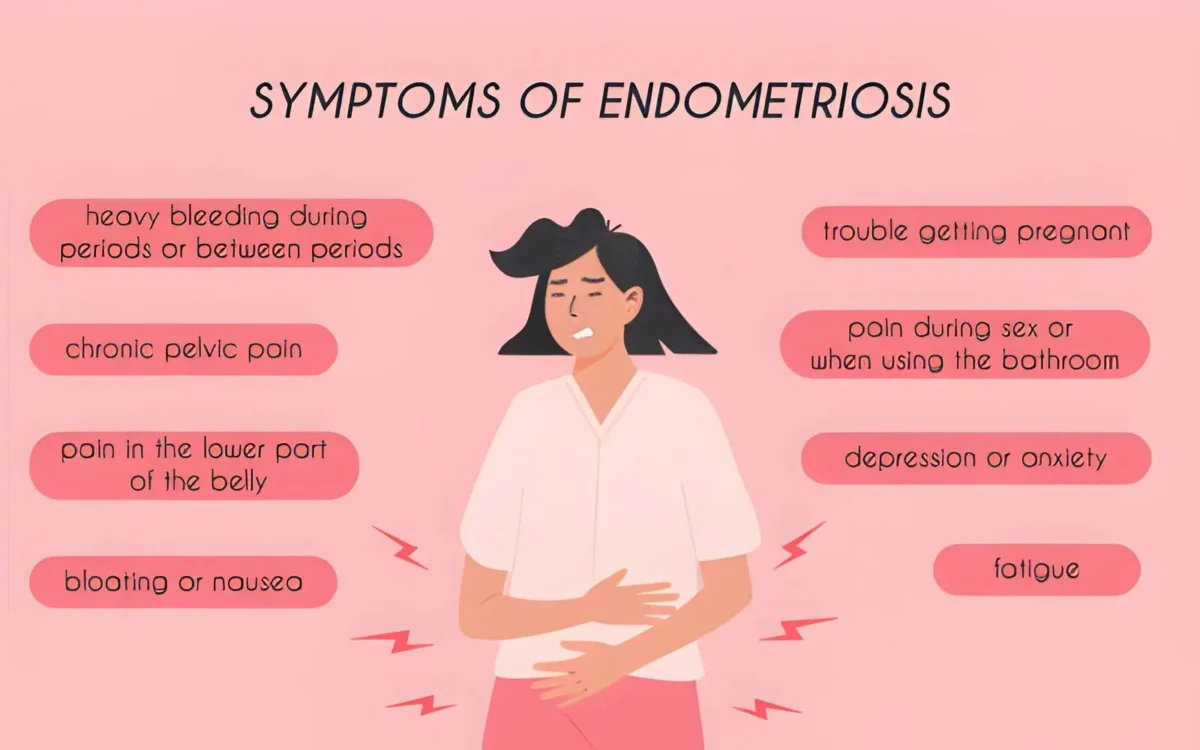

Silent endometriosis refers to the presence of endometrial-like tissue outside the uterus with minimal or no noticeable pelvic pain. It can remain unnoticed because it does not produce typical symptoms that prompt early clinical attention. The resulting tissue often responds to the hormonal cycle, influencing nearby nerves, organs, and connective structures, and these interactions create subtle disruptions in bodily functions rather than immediate pain signals. Here are some of the uncommon symptoms of silent endometriosis.
Bladder Pressure Without Infection
Women with silent endometriosis often notice a recurring sensation of pressure in the bladder, yet urine tests show no evidence of infection. This feeling often resembles that associated with urinary tract infections and can lead to frequent trips to the bathroom. You could feel as if your bladder is full after urination. Endometriotic tissue might cause nearby pelvic organs, such as the bladder, to respond to surrounding inflammation, and this interaction can create pressure that mimics urinary conditions.
Unlike UTIs, this discomfort fluctuates with hormonal changes associated with the menstrual cycle. This pressure increases at particular times in the month, and it then gradually fades. Urinary infections appear suddenly and resolve with targeted treatment, but cyclical pelvic pressure tends to recur at similar intervals over time. Pain during urination, especially during your periods, and occasional blood in the urine are other common symptoms.
The location of this discomfort often differs from that of urinary tract issues. It can feel like fullness or weight in the lower abdomen rather than burning during urination; this difference can help separate it from typical bladder infections. You may also experience pain, but it tends to be generalized to the pelvic area. Your healthcare provider reviews these patterns alongside how pelvic tissues surrounding the bladder respond to hormonal changes and cyclical inflammation.
One-Sided Pelvic Pain
One-sided pain often leads people to causes such as ovarian cysts or digestive irritation. Endometriosis-related pain might present as a dull ache in the lower abdomen and can radiate to the hip or deep pelvic region. When endometrial-like tissue grows irregularly within the pelvis, inflammation tends to affect one region more than another. This discomfort recurs on the same side across different menstrual cycles. It affects the hips, abdomen, and the deep pelvic area.
One-sided pelvic pain related to endometriosis often follows recognizable patterns. During the menstrual period, the same side becomes more sensitive at the same points, and this sensation tends to appear before or during menstruation. As the pain reoccurs, it forms a recognizable pattern. At other times, you might experience steady pressure instead of sharp pain, or tenderness when bending, sitting, or turning your torso.
Throat Sensation During Cycles
Some women notice a recurring sensation in the throat that persists across certain points of the menstrual cycle. This feeling includes a mild lump, irritation, or the frequent urge to clear the throat. Laboratory tests and standard evaluations may show no infection or acid reflux, but the sensation persists. Inflammatory responses or hormonal fluctuations can influence distant areas such as the throat, and this connection helps explain unusual cyclical symptoms. Some people report feeling a throat fullness or irritation just before menstruation. This sensation eases afterwards and is not triggered by seasonal or infectious factors associated with respiratory infections or allergies. Others experience mild discomfort when swallowing or speaking; clearing the throat offers temporary relief.
Leg Pain During Menstrual Cycles
Pain that travels from the pelvis into the leg appears unrelated to reproductive health. Many women report aching, tingling, or shooting pain that originates from the hips. The leg pain moves down the thigh towards the lower leg, and it may resemble common nerve conditions such as sciatica. Your pelvic nerves connect the lower spine, legs, and hips. When inflammation occurs near these nerve pathways, discomfort radiates along the same routes. Make sure to pay attention to when these issues happen, as it may indicate silent endometriosis.
Testing Options for Silent Endometriosis
Monitoring hormonal shifts, menstrual cycle patterns, and overall reproductive health makes it easier to have discussions with your fertility specialists. Silent endometriosis often results in subtle changes in immune function and hormone regulation, even before noticeable physical symptoms appear. Research on testing options of silent endometriosis to facilitate informed reproductive health discourse.
Also READ
- Innovative Technologies in Metalworking Equipment
- Liability Insurance Essentials for Growing Businesses
- Dental Coverage for Federal Employees: What to Know







Leave a Comment