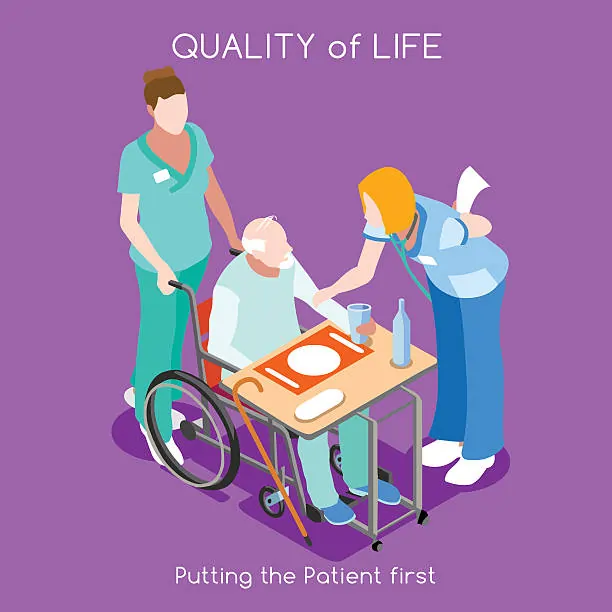

A radical transformation of the philosophy of aging occurred in 2026. Senior care is no longer associated with loss of freedom as it is being redefined as a strategic partnership that promotes independence.
Contemporary caregiving is a complex combination of preventive health services and emotional assistance, which is aimed at making sure that the golden years are characterized by well-being instead of frailty. Adding professional solutions as a part of a daily routine will help families not focus on the stress of having to manage something, but enjoy connecting with a loved one because they know that every aspect of their well-being is being attended to with the utmost accuracy.
The foundation of this lifestyle is finding high-quality support that is both compassionate and professional. For families seeking reliable and personalized assistance, options like Newtown PA home care help for seniors provide the local expertise and attentive care needed to support older adults in a comfortable and familiar environment.
Redefining the Daily Routine: Proactive Wellness Monitoring and Social Catalysts
Modern caregiving aims at making each day seem effortless. Focusing on the particular areas of friction in the process of aging, professional caregivers transform potential barriers to engagement into engagement opportunities.
- Proactive Wellness Monitoring: Caregivers monitor vitals and energy levels using non-invasive devices instead of responding to a health crisis. This will enable early intervention and make sure that minor health changes will not become huge setbacks.
- Social & Intellectual Stimulation: Isolation is a silent health hazard. Social catalysts are professional caregivers who can help with all things to keep the mind sharp and the spirit high, whether it is a book club discussion or tech support to have a video call with the grandkids.
- Nutritional Advocacy: Eating well will be enjoyable and not a task. The logistics of meal planning and preparation are managed by caregivers, who pay attention to nutrient-rich, delicious menus that address particular medical needs, such as bone density or heart health.
Traditional Help vs. 2026 Professional Caregiving
| Category | Traditional Approach | Modern Approach |
| Philosophy | Philanthropic (reactive to needs). | Proactive (anticipating wellness). |
| Technology | Low or low-tech. | High-tech vitals tracking. |
| Mobility | Desk supervision. | Physical therapy support and active mobility. |
| Meal Planning | Simple survival food. | Fancy, health-specific food. |
| Communication | Infrequent phone calls. | Family real-time digital portals. |
Therapeutic Home Environments: Circadian Lighting and Sensory Organization
A house is not just four walls, but a crucial element of the healing process. Professional caregivers are professionals who are good at maximizing the living space to foster safety and tranquility without depersonalizing the home.
- Circadian Lighting Management: Caregivers can use the lighting exposure to control the sleep pattern and improve the daytime mood by setting the light exposure to natural rhythms, i.e., bright light in the morning, amber light in the evening.
- Sensory Organization: A clutter-free environment helps to lessen the cognitive burden on seniors. Caregivers assist in arranging spaces so that essential goods are easily accessible, so as to minimize the chances of overworking or falling.
- Safety Aesthetics: Professional care is the ability to recognize the hazard before it becomes harmful. These involve ensuring that the home is secured by the use of rugs, enhanced visibility of the stairs, and installation of contemporary and discrete assistive equipment that does not stand out.
Acoustic Comfort and Safety Aesthetics: The Environmental Benefit
Optimization of physical living space is one of the least discussed factors in professional caregiving. A house should be a place to stay and not only a place to live in.
- Acoustic Comfort: It is not merely a matter of aesthetics, but it is a matter of reducing the sensory load. Professional caregivers also contribute to the creation of a relaxing auditory environment, where soft music or white noise can be used to reduce cortisol and enhance concentration.
- Simple Accessibility, without the Hospital Feeling: With the help of small additions, such as beautiful grab bars, non-slip designer carpets, and easy-access shelves, the caregivers can make the home safer and make it much more convenient to move around on a daily basis.
The Total Wellness Strategy: Legacy Work and Spiritual Continuity
In addition to physical safety, professional caregiving is concerned with the notion of Total Wellness that covers spiritual and emotional well-being. This integrative mechanism will make sure that the purpose of a senior is not lost.
- Legacy Projects: Caregivers are frequently involved in the “Legacy Work” of scanning old family photos or capturing oral histories. This will provide the elderly with a feeling of achievement and leave an invaluable present for future generations.
- Pet Care Support: A pet is a major source of happiness to many people. Caregivers can do the heavy lifting of owning a pet, walking the dog, or otherwise taking care of visits to the vet, so the senior can have the therapeutic value of a furry friend.
- Spiritual Continuity: Be it making sure that a student is able to access online religious services or getting a student to local community events, the caregivers uphold and encourage the cultural and spiritual connections that offer a feeling of belonging.
A Fresh Chapter of Empowerment in 2026
The eventual goal of professional caregiving is the rediscovery of the aging story. It is a shift from a time of giving things up to a time of opening things up. With the help of professional staff, the seniors will be able to spend time in their homes, with their hobbies, and with their families, without the security level that they never had before.
In the quest to seek the right service, you can find NewtownPA home care help for seniors by being certain that you are not only purchasing a service, but a community partner committed to excellence. In 2026, we do not simply treat people; we enable them to live their best lives on a daily basis.
Expert FAQ: Strategic Control and Automation in Modern Care
1. Do only people with medical problems qualify as professional caregivers?
Not at all. Even when the senior is comparatively healthy, many families use lifestyle care merely to make social life more enjoyable and to make sure that there is no exhaustion as a result of everyday chores.
2. How can automation contribute to care?
Automation will mean that the “reminders”—medication notifications, hydration, appointment tracking, etc.—will be attended to, enabling the caregiver and the senior to spend their time together.
3. What should I do when my loved one does not want to be helped?
We discover that when care is presented as a concierge or a personal assistant and not a medical assistant, the transition becomes much easier and respectful of the ego of the senior.
4. Is it a changeable care with changing needs?
The system is designed with flexibility. Since the needs of health may change, the degree of assistive level can either be increased or decreased to ensure that the elderly person receives the ideal protection level as a buffer.
Read more: How HVAC Pros Diagnose Common Cooling System Problems
The Language of Value: How Words Influence Big Decisions
The Grammar of Daily Life: How Patterns Shape Our Behavior

Leave a Comment