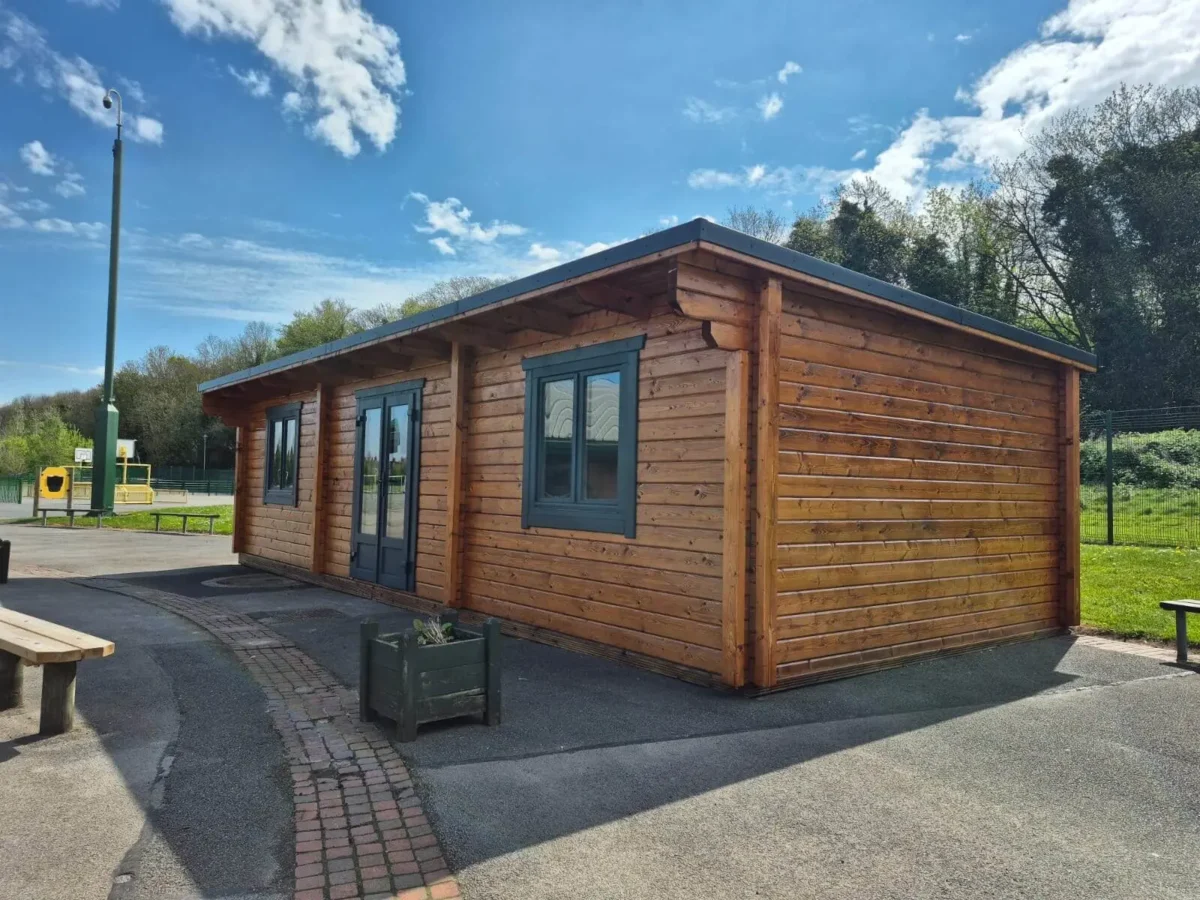

Log cabins often require restoration after years of exposure to harsh weather conditions, which can damage their appearance and structure. Professional assessments help determine whether there are surface problems or more serious structural issues that require log cabin restoration. Here are a few restoration techniques that can bring these homes back to life:
Evaluating the Wood Structure
Extensive exposure to moisture can rot logs from the inside out. This causes significant structural damage that isn’t always visible on the surface. Some logs may appear solid externally, but their cores are weakened and deformed. A restoration specialist inspects each log to identify the compromised area before beginning the log cabin restoration process.
Experts detect damage caused by mold, fungus, and rot, and they restore the log cabin using professional repair techniques. These professionals replace logs that are severely damaged by water or insects. For small rot areas, the wood may be filled with epoxy to solidify and strengthen the weakened material. By pinpointing the location and depth of the rot, restorers are able to target repairs and prevent further deterioration. Specific treatments may also be applied to prevent future growth of mold, mildew, or fungi. Evaluating the log cabin enables restoration specialists to identify compromised areas and develop a plan to restore the wood structure’s strength.
Refacing Compromised Log Sections
Not all decay requires full log replacement; skilled professionals can remove and repair only the damaged portions of a log. This restores structural integrity without replacing the entire piece. These targeted repairs help maintain the log’s protective surfaces, address moisture exposure, and prevent further deterioration from spreading unnoticed. Applying replacement wood or repair material over damaged areas helps stop pests from worsening the log and protects its surface. Targeted repairs preserve as much of the original material as possible, and integrating new wood into historic logs allows the structure to remain functional while retaining its character.
Removing Severely Damaged Logs
Chips and gouges in wood may provide easy entry points for moisture, bacteria, and insects that cause progressive decay. Restoration experts look for signs of log deterioration beyond dampness and surface cracks. They can create detailed lists of logs or sunken areas that need repair to protect the overall structure of the log cabin.
As part of the restoration process, professionals carefully remove the identified logs. Untreated logs pose a safety hazard and should be restored promptly. Infected logs sometimes harbor mold, fungi, and other pathogens that may easily spread to neighboring logs if not removed.
Replacing Logs With Custom-Cut Wood
Each old log is unique, and this is why restoration crews handle removals with care. The logs are promptly and properly replaced to make sure the cabin’s structural integrity remains intact. Experts can work with the contours, slopes, and grain patterns of the new cuts for precise installation.
When damaged logs are replaced, restoration specialists custom‑cut and install the new pieces so they fit tightly with the surrounding logs. This process helps reduce gaps to preserve the structural integrity and appearance of the home. Specialists also fit and adjust the wood carefully to promote safety throughout the entire restoration process. Replacing only severely compromised logs helps preserve the rest of the original wood.
Conducting a Final Structural Examination
After log removals and replacements, a comprehensive inspection verifies that stability has been restored throughout the structure. Restoration specialists may reexamine previously damaged areas for any new signs of deterioration. They make sure abnormalities like creaking doors don’t indicate potential support problems. Late-stage effects of water damage and fungal growth are sometimes hidden behind smaller flaws. A thorough examination confirms that all restoration procedures have successfully stabilized the cabin, and it makes sure no issues are left unaddressed. A final professional survey also provides independent verification of the repair work, confirming that all work meets industry standards and specifications.
Start a Log Cabin Restoration
Restoring a log cabin involves several steps, including assessing the wood structure and repairing or replacing damaged logs. Professionals can also apply protective treatments to prevent future issues, and they conduct final structural inspections to promote safety. These techniques address decay, reinforce the cabin’s integrity, and preserve as much original material as possible. Contact a log cabin restoration specialist today to learn more about their services.
Also Read
- What Makes a Rum Truly Premium?
- India’s Economic Survey 2026 Signals A Boom In Aviation And Aircraft Maintenance Technician Jobs
- The Future of SEO: Why AI Should Have Your Link to Cite You and Why You Should Buy Quality Backlinks.







Leave a Comment