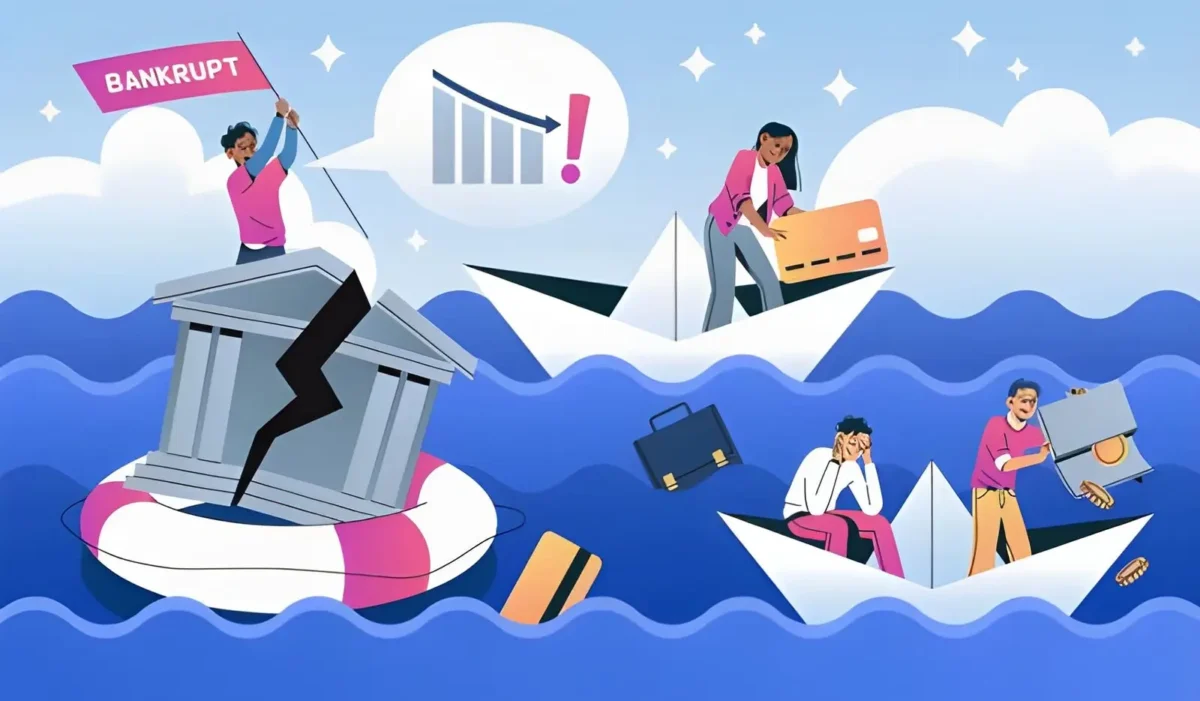

Managing debt is akin to navigating treacherous financial waters, where the right strategy can lead to the safety of sound fiscal health, while a misstep can result in getting lost in a sea of financial woes. Amongst the myriad of debt management tools available, the use of a personal loan is often overlooked, yet it can be an effective lifeline for those struggling to keep their heads above water.
Understanding Personal Loans in Debt Management
Personal loans can be a versatile financial instrument that can be employed to streamline and simplify existing debt. They offer individuals a predefined schedule for repayment, often with a fixed interest rate that may be lower than the average rate on existing debts, particularly those from credit cards or high-interest loans. A personal loan enables the consolidation of various debts into a single, more manageable monthly payment.
The Role of Personal Loans in Consolidating Debt
Consolidating multiple debts with a personal loan translates into several benefits. Firstly, it simplifies the financial narrative of an individual. Rather than juggling multiple payments with varying interest rates and due dates, there is just one payment to focus on. This reduced complexity can alleviate stress and make it easier to budget effectively.
Moreover, in many cases, a personal loan may come with a lower interest rate compared to existing debts, particularly with credit card balances. This interest rate differential can result in significant savings over the life of the loan. Fixed interest rates also shield borrowers from the uncertainty of variable rates, offering a sense of stability to their repayment plan.
Choosing the Right Personal Loan
When opting for a personal loan for debt management, it’s essential to consider several factors. First, the interest rate and any associated fees will play a pivotal role in the total cost of the loan. Borrowers should compare rates from various lenders to find the most competitive offer.
Loan terms are also critical. While longer repayment terms may mean lower monthly payments, they also tend to increase the total amount paid in interest. On the other hand, shorter terms can result in higher monthly payments, which might stress a monthly budget but will clear the debt faster and incrementally decrease interest costs.
Credit Requirements and Personal Loans
Credit scores are central to the conversation of obtaining a personal loan. Naturally, higher credit scores may afford lower interest rates and better loan terms. It’s imperative that borrowers check their credit scores and reports prior to applying, rectifying any errors that might affect their borrowing capacity or conditions.
For those with lesser credit scores, responsible use of a personal loan for debt consolidation can serve as an opportunity to rebuild credit. By establishing a consistent repayment history, borrowers can work towards improving their credit scores over time.
Personal Loans Versus Other Debt Management Strategies
Personal loans can be seen as one piece of the larger debt management puzzle. Comparing them to other methods, such as debt snowball or avalanche strategies, balance transfer credit cards, or even debt settlement, is crucial to formulating a comprehensive debt management plan.
Each strategy comes with its own set of pros and cons, and individual circumstances will dictate the most suitable approach. Nonetheless, the disciplined use of a personal loan for consolidation purposes can offer a predictable path toward regaining financial stability.
The Impact of Personal Loans on Financial Planning
Incorporating a personal loan into overall financial planning requires discipline and a long-term perspective. It’s not merely about transferring balances but fostering healthier spending habits and ensuring that new debt is not accrued elsewhere. Regular monitoring of expenses and adhering to a well-thought-out budget is vital.
Furthermore, it’s essential to maintain an emergency fund to avoid falling back into the trap of accumulating debt. Unanticipated expenses can arise, and having savings in place can prevent the need to rely on credit, maintaining the momentum towards debt freedom.
Acting Responsibly with a Personal Loan
While a personal loan offers numerous benefits in the context of debt management, it’s not a silver bullet. Borrowers must approach this financial tool with a responsible mindset, acknowledging that it is ultimately a debt that needs to be repaid in full.
Timely repayments should be prioritised, and extra payments can be made whenever feasible to shorten the loan’s term. This proactive approach can potentially save hundreds or even thousands of dollars in interest expenses.
Seeking Professional Financial Advice
It’s often beneficial to seek the counsel of a financial advisor when considering a personal loan for debt management. Professional advice can help individuals understand the nuances of their financial situation and tailor a strategy that aligns with their specific needs and goals.
Armed with the right knowledge and guidance, navigating the financial waters of debt with the aid of a personal loan may lead to a serene and secure financial future. This tool, when used wisely, can be a powerful means to regain control over one’s finances and steer towards debt-free horizons.
Conclusion
Debt management is a challenging journey, but knowing all available options, including the strategic use of a personal loan, can guide individuals towards financial resilience. It takes a diligent, informed approach, combined with a pinch of discipline, to make waves in reducing debt and setting the course for sound fiscal well-being.
Also Read
- How an Instant Cash Loan Can Solve Urgent Money Needs Smoothly?
- India’s Data Infrastructure Moment: Building the Foundations of a Digital Economy
- DPMO Meaning Explained: A Practical Guide







Leave a Comment