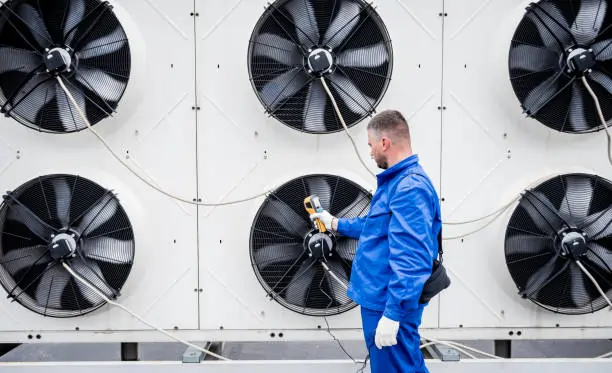

Proper functioning of a cooling system is vital for maintaining comfort in homes and workplaces, especially during hot weather. When an air conditioning unit starts underperforming or showing signs of malfunction, identifying the root cause becomes crucial to avoid costly repairs and extended downtime. We will explore the ways in which HVAC professionals diagnose common issues with cooling systems, focusing on systematic assessments, technical evaluations, and practical troubleshooting techniques. Understanding these processes can help homeowners recognize warning signs early and ensure their systems operate efficiently, saving energy and prolonging the life of their equipment.
Step-by-Step Diagnosis of Cooling System Issues
- Visual and Physical Inspection
The first step in diagnosing any cooling system problem involves a thorough visual and physical inspection of the unit. Phoenix HVAC professionals check for obvious signs of damage such as leaks, corrosion, worn components, or obstructions around the condenser and evaporator coils. Filters, fans, and ductwork are also examined for blockages or debris that can restrict airflow. By observing the system while it operates, professionals can often detect unusual noises, vibrations, or irregular airflow patterns that point to specific malfunctions. This stage is essential because many common problems, such as dirty coils or clogged drains, are immediately visible and can be resolved before moving on to more complex diagnostics.
- Electrical System Testing
Once the basic inspection is complete, technicians evaluate the electrical components of the cooling system. This includes checking the thermostat, circuit breakers, fuses, capacitors, and contactors to ensure proper voltage and current flow. Faulty wiring, short circuits, or malfunctioning electrical components can prevent the unit from starting or cause inconsistent performance. Using tools such as multimeters and voltage testers, professionals can pinpoint electrical issues accurately. Electrical testing not only identifies the cause of sudden shutdowns but also helps prevent future hazards, as compromised electrical connections can pose fire risks or damage other components if left unaddressed.
- Refrigerant Level Assessment
Refrigerant plays a critical role in the cooling process, and low or imbalanced levels can significantly impact system efficiency. HVAC technicians measure refrigerant pressure using gauges and compare it to the manufacturer’s specifications. Leaks are identified by inspecting tubing and connections or by using leak detection tools. Incorrect refrigerant levels often result in inadequate cooling, ice formation on coils, or increased energy consumption. Addressing these issues promptly is crucial because improper refrigerant handling can damage the compressor or shorten the system’s overall lifespan. Proper charging and sealing ensure the system operates at optimal performance.
- Airflow Evaluation
Restricted or uneven airflow can cause a cooling system to perform poorly even when other components are functioning correctly. Professionals assess airflow through vents, ducts, and fans using anemometers or other airflow measurement tools. Factors such as blocked vents, kinked ducts, or malfunctioning blower motors are common contributors to airflow issues. Uneven cooling across rooms or fluctuating temperatures can often be traced back to these airflow problems. By identifying and resolving obstructions or imbalances, technicians restore consistent air distribution, improving comfort and efficiency throughout the space.
- Component Performance Analysis
Individual components such as compressors, fans, and condensers are tested to determine if they are operating within expected parameters. Technicians monitor temperature differentials, listen for unusual mechanical sounds, and check rotational speeds to assess the health of each part. For example, a failing compressor may produce a high-pitched noise or fail to maintain adequate pressure, while worn fan bearings can cause vibration and noise. By isolating the component responsible for the malfunction, professionals can replace or repair it without unnecessary disruption to the rest of the system. This targeted approach reduces downtime and ensures long-term reliability.
- Thermostat and Control System Checks
Modern cooling systems rely heavily on thermostats and electronic controls to maintain precise temperature settings. Technicians test these systems to ensure accurate readings and proper response to temperature adjustments. Faulty thermostats can lead to short cycling, uneven cooling, or complete system failure. By calibrating controls and verifying sensor functionality, HVAC professionals ensure the system responds appropriately to user inputs. Regular verification of control systems also helps maintain energy efficiency and prevent wear from unnecessary operating cycles.
- Ductwork Inspection and Sealing
Ductwork can be a hidden source of cooling problems, as leaks or gaps reduce airflow and energy efficiency. Professionals inspect ducts for cracks, loose connections, and insulation deficiencies. Techniques like using smoke tests or pressure measurements help identify hidden leaks. Once located, technicians seal ducts and ensure proper insulation, restoring airflow and improving temperature consistency. Well-maintained ductwork not only enhances comfort but also prevents contaminants from circulating, promoting healthier indoor air quality.
- Systematic Problem Isolation
In more complex cases, diagnosing cooling issues requires isolating individual system functions. Technicians may operate components separately to observe behavior under controlled conditions. This method allows for the detection of subtle malfunctions, such as intermittent electrical failures or compressor overheating. By systematically eliminating potential causes, professionals can pinpoint the problem’s source without resorting to unnecessary replacements or guesswork. This structured approach ensures repairs are efficient, cost-effective, and targeted.
Diagnosing cooling system problems requires a methodical and thorough approach to ensure accurate identification and effective resolution. By combining visual inspections, electrical testing, refrigerant assessments, airflow evaluations, and component analysis, HVAC professionals can pinpoint issues efficiently. Each step in the process builds on the previous one, allowing for a comprehensive understanding of the system’s performance and potential weaknesses. Homeowners benefit from prompt, targeted repairs that restore comfort, improve energy efficiency, and extend the life of their cooling equipment. Regular attention and preventive measures further enhance system reliability, ensuring consistent performance throughout the year.
Read more: The Language of Value: How Words Influence Big Decisions
The Grammar of Daily Life: How Patterns Shape Our Behavior
Clear Thinking, Clear Habits: How Structure Improves Everyday Life

Leave a Comment